
As the global community intensifies efforts to transition to cleaner and more sustainable energy sources, biogas has emerged as a promising alternative to fossil fuels. Derived from organic waste through anaerobic digestion, biogas offers a renewable and carbon-neutral energy solution. However, for biogas to be a viable part of the energy transition, an effective transport infrastructure is essential. This article explores the importance of biogas transport infrastructure, its current state, challenges, and future prospects in building a green future.
The Importance of Biogas Transport Infrastructure
1. Enabling Large-Scale Adoption:
Effective transport infrastructure is crucial for scaling up biogas production and utilization. Without a robust system for transporting biogas from production sites to end-users, the full potential of this renewable energy source cannot be realized.
2. Reducing Greenhouse Gas Emissions:
Transporting biogas efficiently can significantly reduce greenhouse gas emissions. By replacing fossil fuels in transportation and industrial applications, biogas helps mitigate climate change.
3. Enhancing Energy Security:
Developing biogas transport infrastructure enhances energy security by providing a reliable and locally-sourced alternative to imported fossil fuels. This is particularly important for countries looking to reduce their dependence on external energy supplies.
4. Supporting Rural Economies:
Biogas production often takes place in rural areas where organic waste is abundant. A well-developed transport infrastructure can connect rural biogas producers with urban consumers, promoting economic development and job creation in rural communities.
Current State of Biogas Transport Infrastructure
1. Pipelines:
One of the most efficient ways to transport biogas is through pipelines. In regions with existing natural gas infrastructure, biogas can be upgraded to biomethane and injected into the natural gas grid. This allows for the seamless distribution of renewable gas alongside conventional natural gas.
2. Compressed Biogas (CBG) Transport:
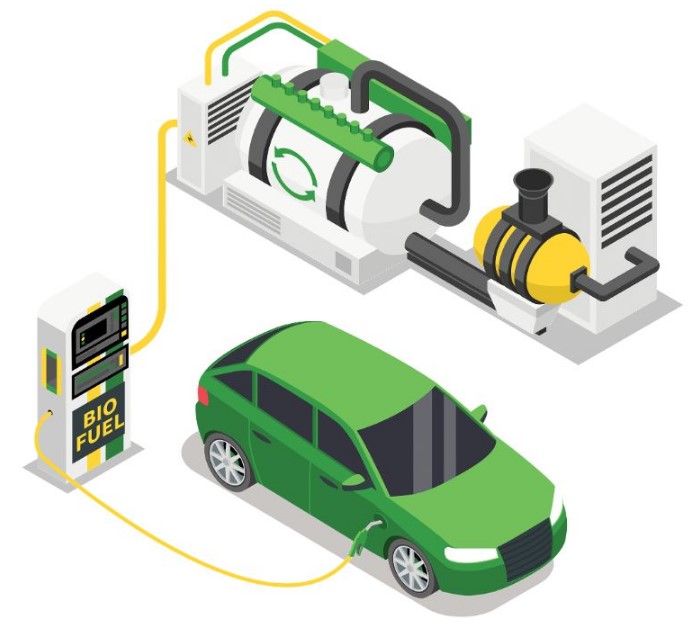
Compressed biogas (CBG) can be transported using specially designed tankers. CBG is biogas that has been purified and compressed to a high pressure, making it suitable for use as a vehicle fuel. Tankers transport CBG from production sites to refueling stations.
3. Liquefied Biogas (LBG) Transport:
Liquefied biogas (LBG) is biogas that has been purified and cooled to a liquid state. This allows for the transport of larger quantities of biogas over longer distances. LBG transport is particularly useful for supplying biogas to regions without pipeline infrastructure.
4. Distribution Networks:
In some regions, dedicated biogas distribution networks have been established to connect biogas producers with consumers. These networks facilitate the efficient transport of biogas within localized areas, such as cities or industrial zones.
Challenges in Biogas Transport Infrastructure
1. Infrastructure Investment:
Developing biogas transport infrastructure requires significant investment in pipelines, compression and liquefaction facilities, and distribution networks. Securing funding for these projects can be challenging, particularly in regions with limited financial resources.
2. Technical and Regulatory Hurdles:
The integration of biogas into existing natural gas grids involves technical and regulatory challenges. Ensuring that biomethane meets the quality standards for injection into natural gas pipelines requires advanced purification technologies and regulatory frameworks that support renewable gas.
3. Feedstock Variability:
The variability in feedstock availability can impact the consistency of biogas production. Developing infrastructure that can accommodate fluctuations in biogas supply is essential for maintaining a stable and reliable energy source.
4. Public Awareness and Acceptance:
Public awareness and acceptance of biogas as a renewable energy source are crucial for the success of biogas transport infrastructure projects. Education and outreach efforts are needed to inform consumers and stakeholders about the benefits of biogas and its role in the energy transition.
Biogas transport infrastructure is a critical component of the transition to a sustainable and renewable energy future. By enabling the efficient and widespread distribution of biogas, robust transport infrastructure can reduce greenhouse gas emissions, enhance energy security, and support rural economies. While challenges remain, technological advancements, innovative transport solutions, and supportive policies are paving the way for the growth of biogas as a key player in the global energy landscape.
 Manufacturer of biogas analyzer, landfill gas analyzer and extraction monitor, anaerobic digester gas analyzer