
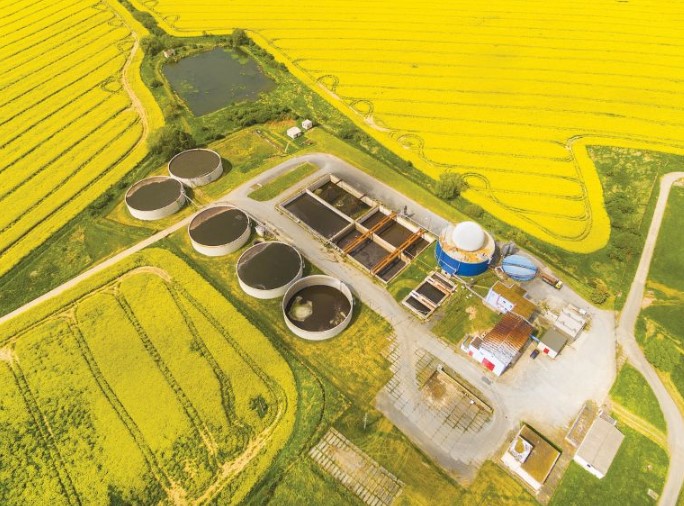
In the quest for sustainable energy solutions, biogas fermentation stands out as a highly efficient and eco-friendly method of converting organic waste into valuable energy. This process not only reduces waste but also produces biogas, a renewable energy source that can be used for electricity generation, heating, and as a vehicle fuel.
Understanding Biogas Fermentation
Biogas fermentation is the process by which organic matter, such as agricultural residues, animal manure, food waste, and sewage sludge, is broken down by microorganisms in an oxygen-free environment. This anaerobic digestion process produces biogas, which is primarily composed of methane (CH4) and carbon dioxide (CO2). The remaining material, known as digestate, can be used as a nutrient-rich fertilizer, contributing to a circular economy.
The Biogas Fermentation Process
1. Feedstock Collection:
Organic waste materials are collected from various sources, including farms, food processing plants, and wastewater treatment facilities. These materials serve as the feedstock for biogas production.
2. Anaerobic Digestion:
The collected feedstock is placed in a biogas digester, a sealed, oxygen-free container. Here, a series of microbial processes occur, breaking down the organic material in four key stages:
– Hydrolysis: Complex organic compounds such as carbohydrates, proteins, and fats are broken down into simpler molecules like sugars, amino acids, and fatty acids.
– Acidogenesis: The simple molecules produced in hydrolysis are further broken down by acidogenic bacteria into volatile fatty acids, alcohols, hydrogen, and carbon dioxide.
– Acetogenesis: The volatile fatty acids and alcohols are converted into acetic acid, hydrogen, and carbon dioxide by acetogenic bacteria.
– Methanogenesis: Methanogenic archaea convert the acetic acid, hydrogen, and carbon dioxide into methane and carbon dioxide, resulting in the production of biogas.
3. Biogas Collection and Purification:
The biogas produced in the digester is collected and can be purified to remove impurities such as hydrogen sulfide (H2S) and moisture, enhancing its quality for various applications.
4. Digestate Management:
The remaining digestate is removed from the digester and can be used as a natural fertilizer, enriching the soil with nutrients and organic matter.

Benefits of Biogas Fermentation
1. Renewable Energy Production:
Biogas is a renewable energy source that can be continuously produced from organic waste. It can be used for electricity generation, heating, and as a vehicle fuel, reducing reliance on fossil fuels and contributing to energy security.
2. Waste Reduction and Management:
Biogas fermentation provides an effective solution for managing organic waste. By converting waste into valuable energy and fertilizer, it reduces the environmental impact of waste disposal and promotes sustainable waste management practices.
3. Greenhouse Gas Emission Reduction:
By capturing methane from organic waste, biogas fermentation prevents the release of this potent greenhouse gas into the atmosphere. Additionally, using biogas as a fuel reduces carbon dioxide emissions compared to fossil fuels, mitigating climate change.
4. Soil Health Improvement:
The digestate produced from biogas fermentation is a nutrient-rich fertilizer that can improve soil health and fertility. It reduces the need for chemical fertilizers, enhancing sustainable agricultural practices.
Applications of Biogas
1. Electricity Generation:
Biogas can be used in combined heat and power (CHP) plants to generate electricity and heat. This cogeneration process improves energy efficiency and provides a reliable source of renewable energy.
2. Heating:
Biogas can be used for heating residential, commercial, and industrial buildings. It can also be used in boilers to produce steam for industrial processes.
3. Transportation Fuel:
When purified and compressed, biogas can be used as a vehicle fuel, known as Compressed Biogas (CBG). CBG can power cars, buses, and trucks, offering a renewable alternative to traditional fossil fuels.
4. Cooking Fuel:
In rural and developing areas, biogas can be used as a clean cooking fuel, reducing reliance on wood and charcoal and improving indoor air quality.
Biogas fermentation is a powerful tool for harnessing organic waste to produce renewable energy and promote sustainable waste management. By converting waste into valuable resources, it contributes to a circular economy, reduces greenhouse gas emissions, and enhances energy security.
 Manufacturer of biogas analyzer, landfill gas analyzer and extraction monitor, anaerobic digester gas analyzer