

As the global community intensifies its efforts to combat climate change and transition towards sustainable energy systems, biomethane gas has emerged as a crucial player in the energy landscape. Derived from organic waste materials, biomethane offers a renewable and carbon-neutral alternative to fossil fuels.
Understanding Biomethane Gas
Biomethane is a renewable energy source produced from the upgrading of biogas. Biogas is generated through the anaerobic digestion of organic materials such as agricultural residues, animal manure, food waste, and sewage sludge. The raw biogas primarily consists of methane (CH4) and carbon dioxide (CO2), along with trace amounts of other gases. To produce biomethane, the biogas undergoes purification to remove impurities and carbon dioxide, resulting in a high-purity methane gas that is comparable to natural gas.
The Role of Biomethane in the Energy Transition
1. Renewable Energy Source:
Biomethane is a renewable energy source that can be produced continuously from organic waste materials. By converting waste into energy, biomethane contributes to a circular economy, where resources are reused and recycled, reducing waste and promoting sustainability.
2. Carbon Neutrality:
The combustion of biomethane releases carbon dioxide; however, this carbon dioxide is part of the natural carbon cycle. The organic materials used to produce biomethane absorb CO2 from the atmosphere during their growth, making the overall process carbon-neutral. This contrasts with fossil fuels, which release carbon that has been sequestered for millions of years, contributing to an increase in atmospheric CO2 levels.
3. Energy Security:
Biomethane can be produced locally from readily available organic waste resources, reducing dependence on imported fossil fuels and enhancing energy security. Communities and regions can achieve greater energy independence by utilizing their waste to generate renewable energy.
4. Versatility:
Biomethane can be used in various applications, including electricity generation, heating, and as a transportation fuel. It can be injected into existing natural gas grids, providing a seamless transition from fossil fuels to renewable energy without requiring significant infrastructure changes.
Production Process of Biomethane Gas
1. Feedstock Collection:
Organic waste materials such as agricultural residues, food waste, and sewage sludge are collected and transported to biogas production facilities.
2. Anaerobic Digestion:
The collected feedstock undergoes anaerobic digestion in biogas digesters. Microorganisms break down the organic matter in the absence of oxygen, producing biogas.
3. Monitoring equipment: During the biogas production process, the required equipment is a biogas analyzer, which uses advanced photoelectric sensing principles to detect methane (CH4), oxygen (O2), carbon dioxide (CO2), hydrogen sulfide (H2S), etc. For example, the OLGA2000 biogas online monitoring system can be widely used in gas monitoring in landfill biogas power plants, petrochemicals, coal mines and other scenarios, and can achieve remote data transmission.

4. Biogas Upgrading:
The raw biogas is purified to remove impurities, including hydrogen sulfide (H2S), moisture, and carbon dioxide (CO2). The resulting biomethane has a high methane content, typically above 95%.
5. Distribution:
The purified biomethane can be compressed for use as a transport fuel (Compressed Biomethane, CBG) or injected into the natural gas grid for distribution and use in heating and electricity generation.
Benefits of Biomethane Gas
1. Environmental Sustainability:
By diverting organic waste from landfills and reducing methane emissions, biomethane production helps mitigate climate change. Additionally, using biomethane as a fuel reduces air pollution compared to conventional fossil fuels.
2. Economic Opportunities:
The biomethane industry creates jobs in waste management, biogas plant construction and operation, and fuel distribution. Farmers and waste management companies can generate additional revenue by supplying feedstock to biogas facilities.
3. Rural Development:
Biomethane production can drive economic growth in rural areas by providing a sustainable source of income for farmers and creating local employment opportunities.
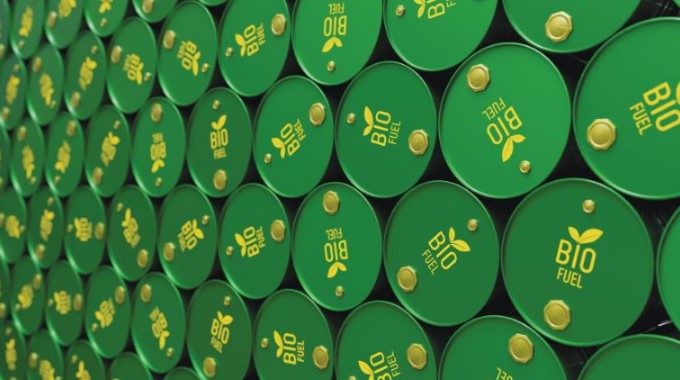
Biomethane gas holds significant potential as a renewable and carbon-neutral energy source in the global energy transition. By converting organic waste into a valuable energy resource, biomethane contributes to environmental sustainability, energy security, and economic development.
 Manufacturer of biogas analyzer, landfill gas analyzer and extraction monitor, anaerobic digester gas analyzer
One thought on “Biomethane Gas in the Energy Transition”