
As the world grapples with the dual challenges of climate change and energy security, sustainable living practices have become increasingly important. Among these practices, the use of biogas methane stands out as a versatile and impactful solution. By converting organic waste into a renewable energy source, biogas methane plays a crucial role in reducing greenhouse gas emissions and promoting a circular economy.
Understanding Biogas Methane
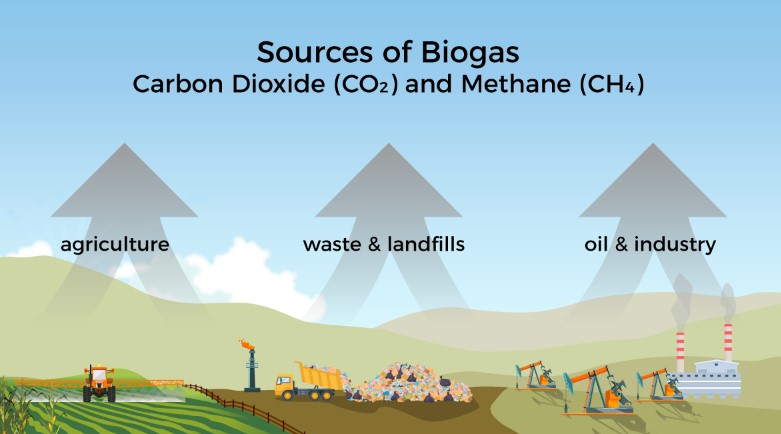
Biogas is produced through the anaerobic digestion of organic matter, such as agricultural waste, food scraps, and animal manure. During this process, microorganisms break down the organic material in the absence of oxygen, resulting in the production of biogas. This biogas is primarily composed of methane (CH4) and carbon dioxide (CO2), with small amounts of other gases. Once purified, biogas can be utilized as a clean and renewable energy source, often referred to as biomethane.
Reducing Emissions Through Biogas Methane
- 1. Mitigating Methane Emissions:
Organic waste that decomposes in landfills produces methane, a potent greenhouse gas with a global warming potential significantly higher than that of CO2. By diverting organic waste to biogas production facilities, we can capture and utilize methane that would otherwise be released into the atmosphere. This not only reduces greenhouse gas emissions but also harnesses methane as a valuable energy resource.
- 2. Displacing Fossil Fuels:
Biomethane can be used as a substitute for natural gas in various applications, including heating, cooking, and electricity generation. By replacing fossil fuels with biomethane, we reduce carbon emissions associated with energy production and consumption. This transition to renewable energy sources is essential for achieving long-term sustainability and reducing our reliance on non-renewable resources.
- 3. Circular Economy and Waste Management:
The production of biogas methane exemplifies the principles of a circular economy by transforming waste into a valuable resource. Organic waste materials, which would otherwise contribute to environmental pollution, are converted into clean energy and nutrient-rich digestate. This digestate can be used as a natural fertilizer, enhancing soil health and reducing the need for synthetic fertilizers, which are associated with their own environmental impacts.
Benefits of Biogas Methane
- 1. Energy Security and Independence:
Biogas methane provides a decentralized energy source that can be produced locally, enhancing energy security and reducing dependence on imported fossil fuels. Communities and households can generate their own renewable energy, leading to greater resilience against energy price fluctuations and supply disruptions.
- 2. Economic Opportunities:
The biogas industry creates job opportunities in construction, operation, and maintenance of biogas plants. Additionally, farmers and waste management companies can benefit financially by supplying feedstock to biogas facilities, fostering economic growth in rural and urban areas alike.
- 3. Improved Air Quality:
The use of biomethane for cooking and heating reduces indoor air pollution compared to traditional biomass fuels like wood and charcoal. This improvement in air quality has significant health benefits, particularly in developing regions where indoor air pollution is a major concern.
Challenges and Future Prospects
Despite its numerous advantages, the widespread adoption of biogas methane faces several challenges. These include the initial costs of establishing biogas plants, the need for technological advancements, and the development of supportive policies and infrastructure. However, continued research, innovation, and investment in the biogas sector are driving progress.
Governments, businesses, and individuals all play a role in promoting the adoption of biogas methane. Policy incentives, such as subsidies and feed-in tariffs, can encourage investment in biogas projects. Public awareness campaigns can educate communities about the benefits of biogas and how they can participate in sustainable waste management practices.
Biogas methane is a powerful tool in the quest for sustainable living and emission reduction. By converting organic waste into a renewable energy source, it addresses both waste management and energy production challenges while mitigating greenhouse gas emissions.
 Manufacturer of biogas analyzer, landfill gas analyzer and extraction monitor, anaerobic digester gas analyzer