

As the world grapples with the twin challenges of climate change and the need for sustainable energy, biogas production plants are emerging as a pivotal component in the renewable energy landscape. By converting organic waste into valuable biogas, these facilities offer a versatile and eco-friendly energy solution.
The Role of Biogas Production Plants
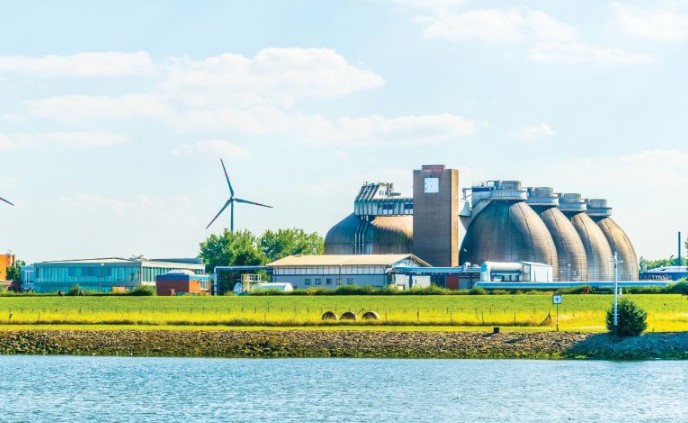
Biogas production plants utilize anaerobic digestion to transform organic materials, such as agricultural residues, food waste, and sewage sludge, into biogas. This biogas can be used for electricity generation, heating, and as a vehicle fuel, contributing to energy diversification and sustainability. The byproduct, digestate, serves as a nutrient-rich fertilizer, promoting circular economy practices.
Benefits of Biogas Production Plants
- 1. Environmental Impact: Biogas plants significantly reduce greenhouse gas emissions by capturing methane that would otherwise be released into the atmosphere from decomposing organic waste. This process helps mitigate climate change and improves air quality.
- 2. Waste Management: Biogas plants offer an efficient solution for managing organic waste, reducing the burden on landfills and minimizing pollution. They convert waste into energy and valuable byproducts, enhancing waste recycling efforts.
- 3. Renewable Energy Generation: Biogas is a renewable energy source that can be produced continuously, providing a reliable and stable energy supply. It complements other renewable sources like solar and wind by offering a consistent energy output regardless of weather conditions.
- 4. Energy Independence: By producing energy locally from readily available organic materials, biogas plants enhance energy security and reduce reliance on imported fossil fuels. This independence is particularly beneficial for rural and agricultural communities.
- 5. Economic Opportunities: The biogas sector creates jobs and stimulates economic growth through the development, operation, and maintenance of biogas plants. It also offers opportunities for innovation and technological advancement in renewable energy.
Advancements in Biogas Technology
- 1. Enhanced Anaerobic Digestion Processes: Innovations in microbial consortia and reactor designs are optimizing the anaerobic digestion process, increasing biogas yields and reducing retention times. These advancements make biogas plants more efficient and cost-effective.
- 2. Biogas Upgrading Technologies: To utilize biogas as a natural gas substitute, it must be upgraded to biomethane by removing impurities. Advanced upgrading technologies, such as membrane separation and pressure swing adsorption, are improving the purity and quality of biomethane.
- 3. Integration with Renewable Energy Systems: Biogas plants are increasingly being integrated with other renewable energy systems, such as solar and wind, to create hybrid energy solutions. This integration enhances energy reliability and maximizes the use of available resources.
- 4. Smart Monitoring and Control Systems: The adoption of IoT (Internet of Things) and AI (Artificial Intelligence) technologies is revolutionizing the monitoring and control of biogas plants. These systems enable real-time data analysis, predictive maintenance, and optimized operational efficiency.
- 5. Scalability and Modular Designs: Modular biogas plant designs are facilitating scalability and adaptability, allowing plants to be tailored to different sizes and applications. This flexibility supports wider adoption across diverse sectors and regions.
Conclusion
The future of renewable energy is increasingly intertwined with the growth and development of biogas production plants. These facilities offer a multifaceted solution to energy and environmental challenges, providing renewable energy, efficient waste management, and economic benefits. As technological advancements continue to enhance their efficiency and scalability, biogas plants are poised to become a cornerstone of sustainable energy systems worldwide. Embracing and investing in this innovative technology will be essential for building a cleaner, greener, and more resilient energy future.
 Manufacturer of biogas analyzer, landfill gas analyzer and extraction monitor, anaerobic digester gas analyzer