
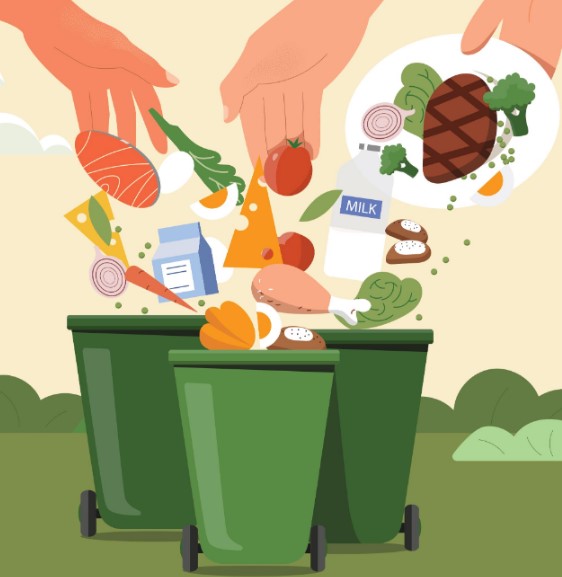
As global energy demands rise and environmental concerns intensify, the quest for sustainable energy sources has never been more critical. One promising solution is biogas, a renewable energy source derived from organic waste. Kitchen waste, in particular, offers a valuable resource for biogas production, transforming household refuse into a clean, green energy alternative.
Understanding Biogas Production
Biogas is produced through anaerobic digestion, a natural process where microorganisms break down organic matter in the absence of oxygen. This process generates biogas, primarily composed of methane (CH4) and carbon dioxide (CO2), which can be used for cooking, heating, and even electricity generation. Kitchen waste, rich in organic materials, is an excellent feedstock for biogas production.
Setting Up a Biogas Digester
To produce biogas from kitchen waste, a biogas digester is essential. Here are the steps to set up and maintain an efficient biogas digester:
- 1. Selecting the Digester: Choose a suitable biogas digester based on the amount of kitchen waste generated and the available space. For household use, small-scale digesters like the fixed-dome or floating-drum models are ideal.
- 2. Preparing the Feedstock: Collect kitchen waste, including vegetable peels, fruit scraps, food leftovers, and other organic materials. Avoid non-biodegradable items such as plastic, metal, and glass. Chop the waste into smaller pieces to facilitate faster digestion.
- 3. Feeding the Digester: Regularly feed the kitchen waste into the digester. Mix it with water to create a slurry, ensuring a balanced carbon-to-nitrogen ratio (typically 30:1) for optimal microbial activity. Maintain a consistent feeding schedule to sustain gas production.
- 4. Maintaining the Digester: Keep the digester at a stable temperature (preferably 25-40°C) to enhance microbial activity. Insulate the digester if necessary, especially in colder climates. Stir the contents periodically to prevent the formation of scum and ensure even digestion.
- 5. Gas Collection and Utilization: The produced biogas is collected in a gas holder connected to the digester. Use the biogas for cooking or heating through biogas-compatible appliances. Ensure proper ventilation and safety measures to prevent accidents.
Optimizing Biogas Production
- 1. Pre-Treatment of Waste: Pre-treating kitchen waste can significantly enhance biogas yield. Techniques such as grinding, shredding, or enzymatic treatment break down complex organic materials, making them more accessible to anaerobic microorganisms.
- 2. Co-Digestion: Combining kitchen waste with other organic materials like animal manure or garden waste can improve biogas production. Co-digestion balances the carbon-to-nitrogen ratio and provides a more consistent feedstock for the digester.
- 3. pH Control: Maintain the pH level of the digester between 6.5 and 7.5 for optimal microbial activity. Use natural additives like lime or wood ash to regulate pH levels if necessary.
- 4. Temperature Regulation: Temperature significantly affects the rate of anaerobic digestion. In colder climates, consider using solar heaters or insulating the digester to maintain an optimal temperature range.
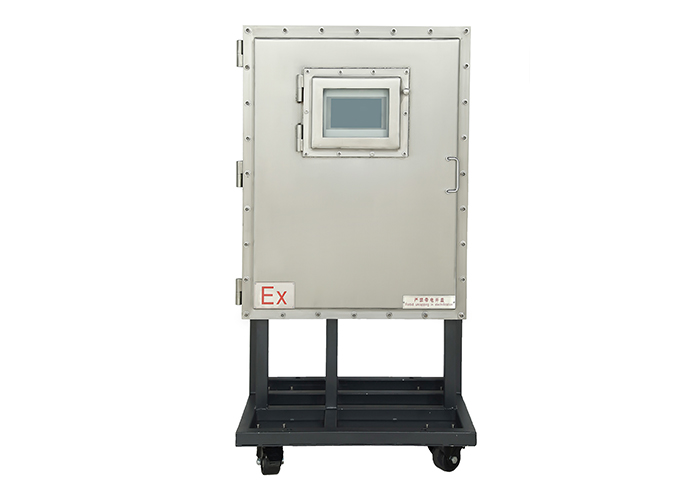
- 5. Regular Monitoring: Regularly monitor the digester’s performance, including gas production rates, pH levels, and temperature. For example, the OLGA2000 biogas online monitoring system can be widely used in gas monitoring in landfill biogas power plants, petrochemicals, coal mines and other scenarios, and can achieve remote data transmission.
Benefits of Using Kitchen Waste for Biogas
- – Environmental Impact: Biogas production reduces methane emissions from decomposing organic waste, mitigating its impact on climate change. It also lowers the demand for landfill space and decreases pollution.
- – Renewable Energy Source: Biogas is a renewable and sustainable energy source, providing a reliable alternative to fossil fuels. It can reduce household energy costs and dependence on non-renewable energy.
- – Resource Recovery: The byproduct of anaerobic digestion, digestate, is a nutrient-rich fertilizer that can enhance soil fertility and support sustainable agriculture.
- – Community and Economic Benefits: Small-scale biogas systems create opportunities for local energy production, fostering community resilience and potentially generating income through the sale of surplus biogas or organic fertilizers.
Biogas production from kitchen waste is an eco-friendly and efficient method to generate renewable energy while managing organic waste. By adopting proper techniques and maintaining optimal conditions, households can harness the full potential of kitchen waste, contributing to environmental sustainability and energy self-sufficiency. As awareness and technology advance, biogas from kitchen waste stands out as a practical and scalable solution for a greener future.
 Manufacturer of biogas analyzer, landfill gas analyzer and extraction monitor, anaerobic digester gas analyzer