
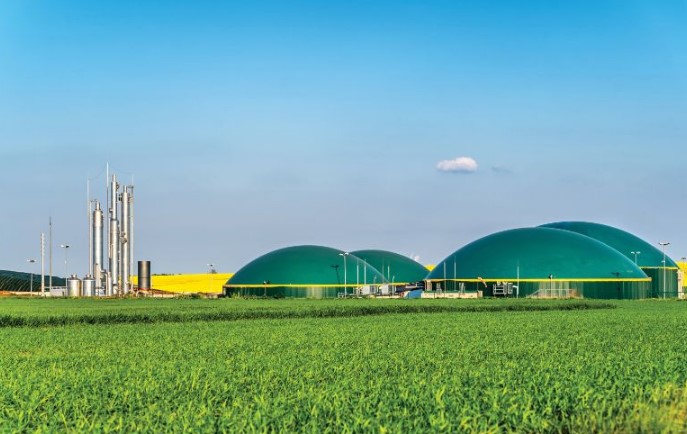
In recent years, the global focus on sustainable energy sources has intensified, driven by the urgent need to mitigate climate change and reduce reliance on fossil fuels. Among the promising technologies gaining traction is biogas production, which utilizes organic waste to generate renewable energy. As this sector expands, the demand for high-performance biogas production equipment is on the rise, promising significant returns for investors and stakeholders alike.
The Rise of Biogas Production
Biogas is produced through anaerobic digestion, a natural process where microorganisms break down organic matter such as agricultural waste, municipal waste, and sewage sludge in the absence of oxygen. This process generates biogas, primarily composed of methane and carbon dioxide, which can be used directly as a renewable fuel or upgraded to biomethane for injection into natural gas grids.
The advantages of biogas are manifold: it reduces greenhouse gas emissions by utilizing waste that would otherwise release methane into the atmosphere, provides a stable energy supply independent of weather fluctuations (unlike solar or wind), and promotes circular economy practices by converting waste into valuable resources.
Importance of High-Performance Equipment
- 1. Digesters: These are the heart of biogas plants, where anaerobic digestion occurs. High-performance digesters are designed to optimize gas production, ensure reliable operation, and accommodate various feedstocks.
- 2. Gas Cleaning Systems: To ensure the purity of biogas, efficient gas cleaning systems are essential. These remove impurities such as hydrogen sulfide and moisture, which can corrode equipment and reduce the quality of the biogas.
- 3. Biogas Upgrading Units: For facilities producing biomethane for injection into the natural gas grid or for use as a vehicle fuel, biogas upgrading units are necessary. High-performance units efficiently separate methane from other gases, meeting stringent purity standards.
- 4. Digestate Processing Systems: The byproduct of anaerobic digestion, digestate, can be processed into valuable fertilizers or soil conditioners. Advanced processing systems help extract maximum value from digestate, reducing waste and enhancing plant economics.
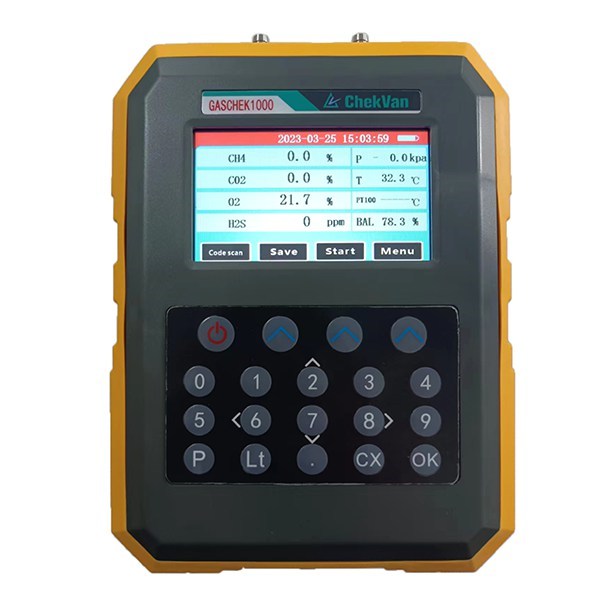
- 5. Gas Monitoring Equipment:Biogas analyzers, such as the GASCHEK1000 portable biogas analyzer, use advanced photoelectric sensing principles to detect and analyze methane (CH4), oxygen (O2), carbon dioxide (CO2), hydrogen sulfide (H2S) and other gases, and accurately report , while effectively checking the digestive process.
Benefits for Investors
Investing in high-performance biogas production equipment offers several compelling advantages:
– Profitability: Biogas production can provide stable revenue streams through energy sales and potential incentives or subsidies for renewable energy production.
– Environmental Impact: Investors can align their portfolios with sustainable development goals, contributing to carbon reduction and environmental stewardship.
– Long-Term Viability: Biogas production is a resilient sector, less susceptible to market volatility compared to traditional energy sources, due to its reliance on locally available feedstocks.
– Innovation and Growth: The sector is ripe for innovation, with ongoing advancements in technology improving efficiency and expanding potential applications of biogas.
Conclusion
As global efforts intensify to combat climate change and transition towards renewable energy sources, investing in high-performance biogas production equipment presents a compelling opportunity. Beyond financial returns, investors can contribute to sustainable development goals and support the growth of a resilient and environmentally beneficial industry. With the right equipment and strategic partnerships, biogas production can play a pivotal role in shaping a cleaner, more sustainable future.
 Manufacturer of biogas analyzer, landfill gas analyzer and extraction monitor, anaerobic digester gas analyzer