
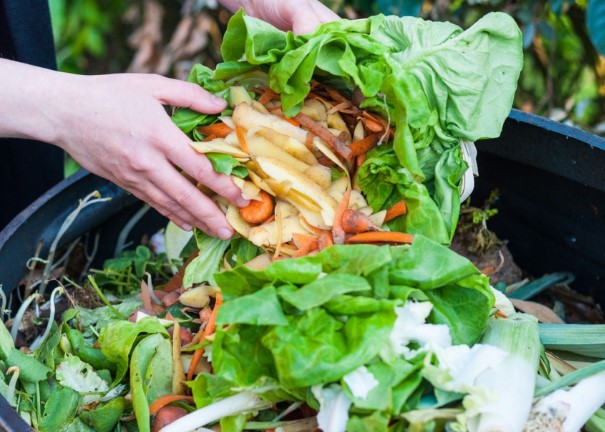
As the world grapples with the dual challenges of waste management and sustainable energy production, innovative methods for converting food waste into methane are gaining prominence. Methane production from food waste not only helps in reducing landfill waste but also provides a renewable energy source. This article explores some of the most innovative and effective methods for methane production from food waste.
1. Anaerobic Digestion
a. Process Overview:
Anaerobic digestion (AD) is a well-established method for methane production from organic materials, including food waste. In this process, microorganisms break down organic matter in the absence of oxygen, producing biogas—a mixture of methane and carbon dioxide—as a byproduct.
b. Key Innovations:
Recent advancements in AD technology have focused on improving the efficiency and yield of methane production. Innovations include the development of multi-stage digestion systems, which separate the hydrolysis and methanogenesis phases to optimize conditions for each stage, and the use of bioaugmentation, where specific microbial strains are introduced to enhance the digestion process.
2. Co-Digestion
a. Concept:
Co-digestion involves the simultaneous anaerobic digestion of food waste with other organic substrates, such as agricultural residues, manure, or wastewater sludge. This method can enhance the overall methane yield and improve the stability of the digestion process.
b. Benefits:
Co-digestion takes advantage of the synergistic effects between different substrates, which can provide a more balanced nutrient profile and optimize microbial activity. It also offers flexibility in feedstock management and can help in achieving better process stability and higher biogas production rates.
3. Thermophilic Digestion
a. Process Details:
Thermophilic digestion operates at higher temperatures (50-60°C) compared to conventional mesophilic digestion (30-40°C). This temperature range can accelerate the breakdown of organic matter and enhance methane production.
b. Advantages:
The higher temperatures in thermophilic digestion can lead to faster reaction rates, shorter retention times, and increased pathogen destruction. This method can also improve the overall methane yield from food waste by enhancing the activity of thermophilic microorganisms.
4. High-Solid Anaerobic Digestion (HSAD)
a. Methodology:
High-solid anaerobic digestion (HSAD) processes food waste with a higher solid content (typically above 15-20%). This method reduces the need for dilution and allows for the treatment of more concentrated waste streams.
b. Innovations:
HSAD systems are designed to handle the challenges associated with high-solid content, such as mixing difficulties and inhibition from high organic loading rates. Advanced reactor designs, such as plug-flow reactors and dry batch reactors, have been developed to optimize the digestion process and enhance methane production.
5. Bioelectrochemical Systems (BES)
a. Emerging Technology:
Bioelectrochemical systems (BES) represent a cutting-edge approach to methane production. In BES, microorganisms catalyze electrochemical reactions that convert organic matter in food waste into methane.
b. Benefits and Potential:
BES can achieve higher conversion efficiencies and offer better control over the production process. This technology also allows for the direct conversion of organic matter into methane, bypassing some of the intermediate steps in traditional anaerobic digestion. While still in the research and development phase, BES holds significant potential for future applications in methane production from food waste.
6. Hybrid Systems
a. Integration of Technologies:
Hybrid systems combine different methane production technologies to maximize efficiency and yield. For example, integrating anaerobic digestion with bioelectrochemical systems or thermophilic digestion with high-solid anaerobic digestion can enhance overall performance.
b. Advantages:
Hybrid systems can leverage the strengths of each individual technology, leading to improved process stability, higher methane yields, and better management of diverse waste streams. These systems offer flexibility and adaptability to varying operational conditions and feedstock compositions.
Conclusion
The innovative methods for methane production from food waste highlighted in this article demonstrate the significant progress being made in the field of renewable energy and waste management. By harnessing advanced technologies and optimizing existing processes, these methods provide sustainable solutions for converting food waste into valuable methane. As research and development continue, the potential for even greater efficiencies and wider adoption of these technologies will contribute to a greener and more sustainable future.
 Manufacturer of biogas analyzer, landfill gas analyzer and extraction monitor, anaerobic digester gas analyzer