
Biogas systems offer an efficient and sustainable way to convert organic waste into valuable energy, contributing to both environmental preservation and energy independence. However, implementing a biogas system involves various costs that must be carefully analyzed to understand its financial feasibility and long-term benefits. This article delves into the different expense components associated with biogas systems, providing a comprehensive cost analysis.
Initial Capital Investment
a. Infrastructure Costs:
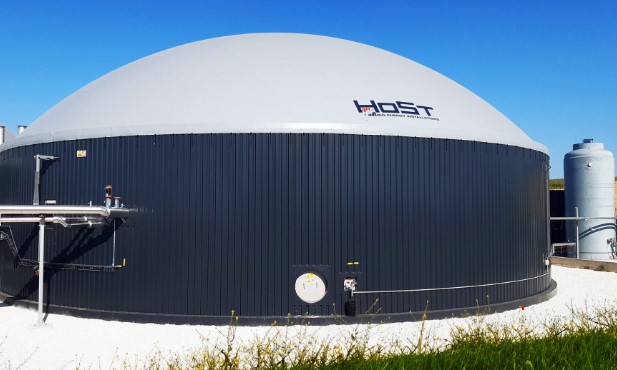
The initial investment in infrastructure includes constructing the digester, gas storage units, and biogas purification systems. The size and complexity of the infrastructure depend on the scale of the biogas plant, which can range from small household units to large industrial facilities.
b. Equipment and Technology:
Essential equipment for a biogas system includes feedstock preprocessing units, gas scrubbers, and generators. Advanced technologies like automated control systems and monitoring devices also add to the upfront costs. Such as the GASCHEK1000 portable biogas analyzer, use advanced photoelectric sensing principles to detect and analyze methane (CH4), oxygen (O2), carbon dioxide (CO2), hydrogen sulfide (H2S) and other gases, and accurately report , while effectively checking the digestive process.

c. Land Acquisition and Preparation:
Securing land for the biogas plant, especially in urban or semi-urban areas, can be a significant expense. Additionally, site preparation, including leveling, access roads, and security measures, further increases the initial costs.
Operational and Maintenance Costs
a. Feedstock Procurement:
The cost of procuring organic waste feedstock, such as agricultural residues, food waste, and manure, varies depending on its availability and transportation requirements. Establishing reliable feedstock supply chains is crucial for continuous operation.
b. Maintenance and Repairs:
Regular maintenance of the digester, gas purification units, and other equipment is essential to ensure efficient operation. This includes periodic inspections, replacement of worn-out parts, and unforeseen repairs.
c. Utilities and Consumables:
Running a biogas plant requires utilities such as electricity and water for operations and cleaning. Consumables like chemicals for gas purification and lubricants for machinery also add to the operational expenses.
Labor and Management Costs
a. Skilled Workforce:
Employing skilled personnel for the operation, monitoring, and maintenance of the biogas plant is necessary. This includes engineers, technicians, and administrative staff.
b. Training and Development:
Investing in training programs for staff to operate and manage the biogas plant efficiently is crucial. Continuous skill development ensures that the workforce stays updated with the latest technologies and best practices.
Regulatory and Compliance Costs
a. Permitting and Licensing:
Obtaining permits and licenses from local authorities and regulatory bodies involves both time and money. Compliance with environmental regulations and safety standards is mandatory and can be a significant expense.
b. Environmental Monitoring:
Regular environmental impact assessments and monitoring are required to ensure that the biogas plant operates within the stipulated guidelines. This includes emissions testing, waste disposal management, and reporting.
Revenue Streams and Financial Returns
a. Energy Sales:
The primary revenue stream for a biogas plant is the sale of biogas or electricity generated from biogas. Selling biogas to local grids or using it for in-house energy needs can generate significant income.
b. By-products and Co-products:
The digestate produced during the anaerobic digestion process can be sold as a nutrient-rich fertilizer. Other by-products, such as carbon credits, can also contribute to the plant’s revenue.
c. Government Incentives and Subsidies:
Many governments offer incentives and subsidies for renewable energy projects, including biogas plants. These financial aids can significantly offset the initial capital investment and operational costs.
Conclusion
Investing in a biogas system involves various expenses that need careful consideration. While the initial capital investment and operational costs may seem substantial, the potential for revenue generation, coupled with environmental benefits and government incentives, makes biogas systems a financially viable and sustainable energy solution.
 Manufacturer of biogas analyzer, landfill gas analyzer and extraction monitor, anaerobic digester gas analyzer