
In the face of growing environmental challenges, the need for sustainable waste management and agricultural practices has never been more urgent. One innovative solution that addresses both of these issues is the use of biogas compost. This process not only reduces waste but also enriches soil, boosting crop yields and contributing to a more sustainable future. This article explores the benefits of biogas compost, how it is produced, and its positive impact on waste reduction and agriculture.
What is Biogas Compost?
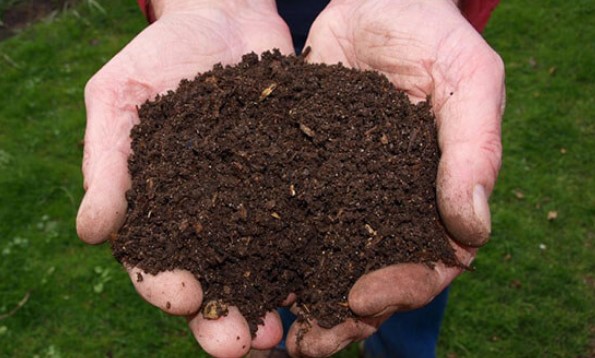
Biogas compost is the nutrient-rich by-product of the anaerobic digestion process used to produce biogas. During anaerobic digestion, microorganisms break down organic matter such as food waste, agricultural residues, and animal manure in the absence of oxygen, producing biogas (a mixture of methane and carbon dioxide) and digestate. The digestate can be further processed into biogas compost, which serves as an excellent organic fertilizer and soil conditioner.
The Production Process
1. Anaerobic Digestion:
– Organic waste is collected and fed into an anaerobic digester, where it is decomposed by microorganisms. This process generates biogas, which can be used for cooking, heating, electricity generation, or as vehicle fuel.
– The remaining material, known as digestate, is rich in nutrients and organic matter.
2. Separation and Processing:
– The digestate is typically separated into solid and liquid fractions. The solid fraction can be composted further to enhance its stability and nutrient content.
– The composting process involves the aerobic decomposition of the solid digestate, where it is turned, aerated, and monitored for moisture and temperature to ensure optimal conditions for microbial activity.
3. Maturation:
– After the composting phase, the biogas compost is allowed to mature for several weeks or months. This maturation period helps to stabilize the compost, reduce pathogens, and enhance its nutrient availability.

Benefits of Biogas Compost
1. Waste Reduction:
– Biogas composting provides an effective way to manage organic waste, diverting it from landfills and reducing greenhouse gas emissions associated with waste decomposition.
– It promotes the recycling of nutrients back into the soil, completing the organic matter loop and reducing the need for synthetic fertilizers.
2. Soil Health Improvement:
– Biogas compost is rich in essential nutrients such as nitrogen, phosphorus, and potassium, which are vital for plant growth.
– The organic matter in biogas compost improves soil structure, enhances water retention, and promotes beneficial microbial activity, leading to healthier and more fertile soil.
3. Boosting Crop Yields:
– The application of biogas compost enhances soil fertility and provides a steady supply of nutrients, resulting in improved crop growth and higher yields.
– It can help reduce the reliance on chemical fertilizers, promoting more sustainable and organic farming practices.
4. Environmental Benefits:
– Using biogas compost reduces the environmental impact of agricultural activities by minimizing nutrient runoff and soil erosion.
– It supports carbon sequestration in soils, contributing to the mitigation of climate change by capturing and storing carbon dioxide.
Applications in Agriculture
1. Field Crops:
– Biogas compost can be applied to a variety of field crops, including cereals, legumes, and root vegetables, to enhance soil fertility and promote healthy plant growth.
2. Horticulture:
– It is also suitable for horticultural applications, including fruit and vegetable cultivation, ornamental plants, and landscaping, where nutrient-rich soil is crucial for optimal growth.
3. Greenhouses and Nurseries:
– Greenhouse and nursery operators can benefit from biogas compost as a growing medium or soil amendment, improving plant health and productivity in controlled environments.
Conclusion
Biogas compost represents a green solution that addresses the dual challenges of waste management and sustainable agriculture. By transforming organic waste into a valuable resource, it reduces landfill use, lowers greenhouse gas emissions, and enriches soils with essential nutrients.
 Manufacturer of biogas analyzer, landfill gas analyzer and extraction monitor, anaerobic digester gas analyzer