
As the world seeks sustainable solutions to its growing energy demands, innovative approaches to renewable energy are gaining traction. Among these, the concept of producing biogas from coral organic waste represents a novel and environmentally friendly method to harness the power of the sea. This article delves into the potential of coral organic waste as a biogas source, exploring its benefits, challenges, and future prospects.
The Promise of Biogas from Coral Organic Waste
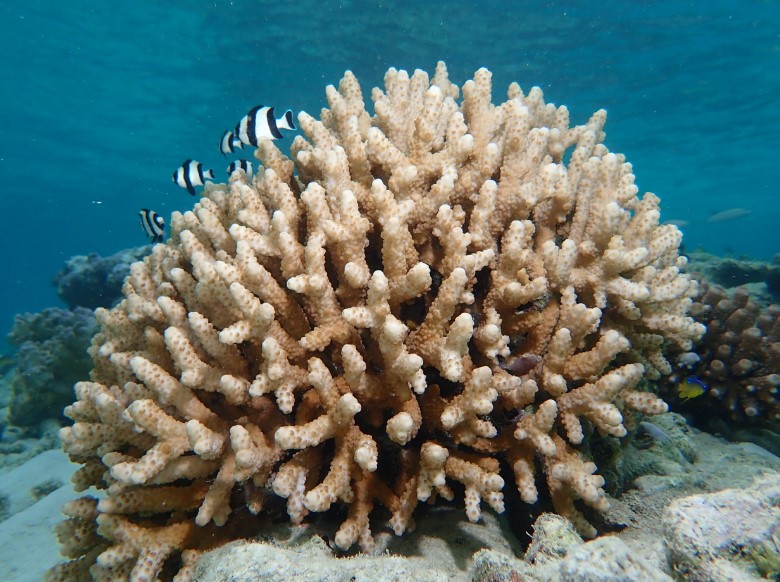
Coral organic waste refers to the biological debris generated by coral ecosystems, including algae, seagrasses, and marine organisms that live in and around coral reefs. These materials, often considered waste, can be converted into biogas through anaerobic digestion, a process where microorganisms break down organic matter in the absence of oxygen.
Key Benefits
Renewable Energy Source: Biogas produced from coral organic waste offers a renewable and sustainable alternative to fossil fuels. This energy can be used for heating, electricity generation, and even as a vehicle fuel, contributing to a diversified energy mix.
Environmental Protection: Utilizing coral organic waste for biogas production helps reduce the accumulation of organic debris in marine environments, which can otherwise contribute to the degradation of coral reefs and marine ecosystems.
Waste Management: This approach provides an efficient waste management solution by converting marine organic waste into a valuable energy resource, reducing the need for disposal and mitigating the impact on marine habitats.
Carbon Footprint Reduction: By capturing and utilizing methane, a potent greenhouse gas, biogas production from coral organic waste helps lower overall greenhouse gas emissions, contributing to climate change mitigation.
The Biogas Production Process
The process of producing biogas from coral organic waste involves several key steps:
- Collection: Coral organic waste is collected from marine environments, including dead algae, seagrasses, and other biodegradable materials found in and around coral reefs.
- Pre-treatment: The collected waste is pre-treated to remove non-organic materials and prepare it for anaerobic digestion. This may involve chopping, grinding, or other methods to enhance the efficiency of the digestion process.
- Anaerobic Digestion: The pre-treated waste is placed in anaerobic digesters, where microorganisms break down the organic material in an oxygen-free environment, producing biogas (primarily methane and carbon dioxide).
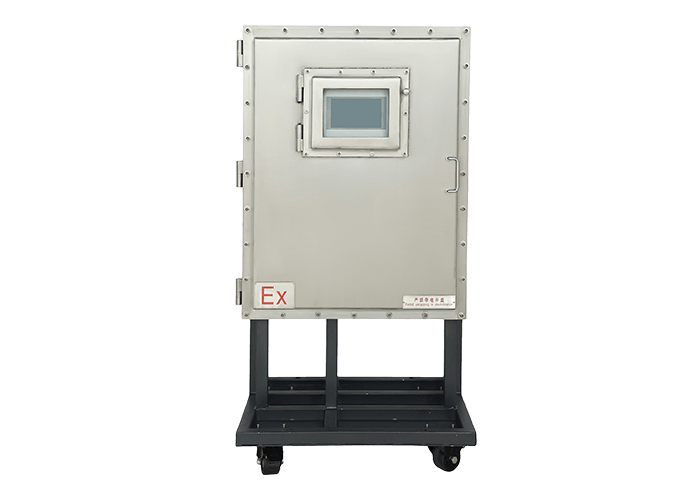
- Monitoring equipment: Biogas analyzer, which uses advanced photoelectric sensing principles to detect methane (CH4), oxygen (O2), carbon dioxide (CO2), hydrogen sulfide (H2S), etc. For example, the OLGA2000 biogas online monitoring system can be widely used in gas monitoring in landfill biogas power plants, petrochemical industries, coal mines and other scenarios, and can achieve remote data transmission.
- Biogas Storage and Utilization: The produced biogas is captured and stored in gas holders. It can be purified and upgraded to biomethane for use as a vehicle fuel or utilized directly for heating and electricity generation.
- By-product Management: The by-product of anaerobic digestion, known as digestate, is rich in nutrients and can be used as an organic fertilizer, promoting sustainable agriculture and reducing the need for chemical fertilizers.
Future Prospects
Despite these challenges, the future of biogas production from coral organic waste holds significant promise. Ongoing research and development efforts are focused on improving collection methods, enhancing anaerobic digestion technology, and exploring innovative ways to integrate this approach into existing renewable energy frameworks.
Conclusion
Harnessing the sea’s organic waste to produce biogas represents a groundbreaking step towards sustainable energy and environmental conservation. By converting coral organic waste into a valuable energy resource, we can reduce greenhouse gas emissions, manage waste more effectively, and protect fragile marine ecosystems. As we continue to innovate and refine this technology, the potential for biogas from coral organic waste to contribute to a greener and more sustainable future becomes increasingly evident.
 Manufacturer of biogas analyzer, landfill gas analyzer and extraction monitor, anaerobic digester gas analyzer