
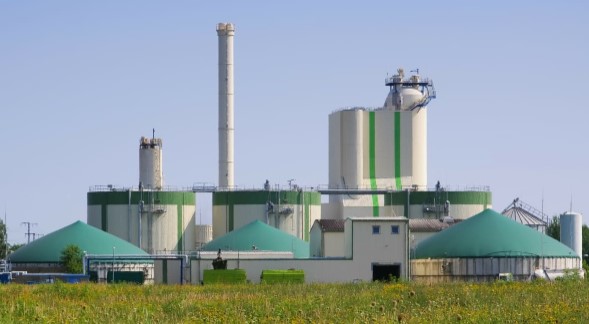
Investing in renewable energy sources has become increasingly vital in the global effort to combat climate change and transition towards a more sustainable future. Biogas electricity plants, utilizing organic waste to generate power, have gained traction as a viable and eco-friendly energy solution. However, determining their cost-effectiveness requires a comprehensive analysis of the initial investment, operational costs, and potential returns. In this article, we delve into the factors influencing the cost-effectiveness of biogas electricity plants and the considerations for evaluating their financial viability.
1. Initial Investment:
- – Infrastructure Costs: This includes the construction of digesters, gas purification systems, electricity generation units, and other necessary facilities.
- – Feedstock Processing Equipment: Equipment for preprocessing organic waste materials, such as shredders and separators, may incur additional costs.
- – Land and Permitting: Acquiring land for the plant site and obtaining permits and regulatory approvals contribute to the initial investment.
2. Operational Costs:
- – Maintenance and Repairs: Regular maintenance of equipment and infrastructure is essential for ensuring optimal plant performance and longevity.
- – Feedstock Procurement: Depending on the availability of organic waste feedstock, costs associated with its collection, transportation, and processing may vary.
- – Utilities: Energy consumption for plant operation, such as electricity for pumps and motors, and water for cleaning and processing, contributes to operational expenses.
3. Revenue Streams:
- – Electricity Sales: Selling electricity generated from biogas to the grid or directly to consumers generates revenue based on prevailing electricity prices and feed-in tariffs.
- – Renewable Energy Credits (RECs): Generating renewable energy entitles plant owners to RECs, which can be sold to utilities or other entities to meet renewable energy compliance targets.
- – Biogas By-products: Utilizing biogas by-products such as digestate as fertilizer or soil conditioner can generate additional revenue streams.

4. Return on Investment (ROI):
- – Payback Period: The time required for the plant’s cumulative earnings to equal its initial investment, indicating when the investment is recouped.
- – Internal Rate of Return (IRR): The annualized return rate on the initial investment, considering the plant’s cash flows over its lifespan.
- – Net Present Value (NPV): The present value of the plant’s future cash flows, discounted to their current value, indicating the project’s profitability.
5. Risk Factors:
- – Feedstock Availability: Dependence on organic waste feedstock availability and quality can impact plant operation and revenue generation.
- – Regulatory Changes: Changes in energy policies, subsidies, or environmental regulations may affect the profitability and viability of biogas projects.
- – Market Conditions: Fluctuations in electricity prices, feedstock costs, and demand for renewable energy can influence revenue streams and project economics.
Conclusion:
Analyzing the cost-effectiveness of biogas electricity plants requires a comprehensive assessment of initial investment, operational costs, revenue streams, and risk factors. By considering these factors and conducting thorough financial analysis, stakeholders can determine the financial viability and long-term sustainability of biogas projects. With proper planning, management, and support, biogas electricity plants can offer a cost-effective and environmentally friendly solution for meeting energy needs while advancing the transition to a low-carbon economy.
 Manufacturer of biogas analyzer, landfill gas analyzer and extraction monitor, anaerobic digester gas analyzer