
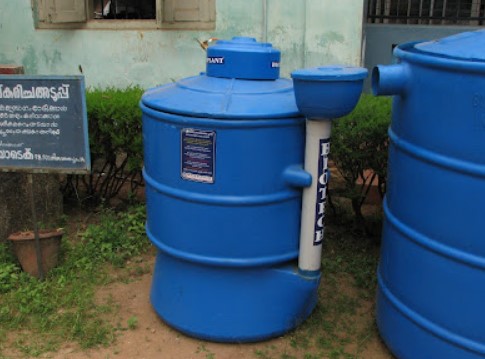
In the quest for sustainable living and energy independence, small-scale biogas digesters have emerged as a practical and eco-friendly solution for households. These compact systems offer the opportunity to generate renewable energy from organic waste materials right in the comfort of one’s home. In this article, we explore the benefits, working principles, and implementation of small-scale biogas digesters, highlighting their role in empowering individuals to harness renewable energy at home.
1. Transforming Waste into Energy:
Small-scale biogas digesters provide homeowners with a means to convert organic waste materials, such as kitchen scraps, food waste, and animal manure, into valuable energy resources. Through the process of anaerobic digestion, microorganisms break down the organic matter in the absence of oxygen, producing biogas as a byproduct. This biogas, primarily composed of methane and carbon dioxide, can be used for cooking, heating, and even generating electricity.
2. Sustainable Waste Management:
One of the key benefits of small-scale biogas digesters is their ability to address organic waste management challenges at the household level. By diverting organic waste from landfills and incinerators, homeowners can significantly reduce their environmental footprint and contribute to a more sustainable waste management system. Additionally, the nutrient-rich digestate produced during the digestion process can be used as a natural fertilizer for gardens and agricultural crops, closing the loop on organic waste recycling.
3. Energy Independence:
Small-scale biogas digesters offer homeowners greater energy independence by providing a reliable source of renewable energy on-site. Instead of relying solely on grid-supplied electricity or fossil fuels for cooking and heating, households can produce their own biogas from locally available organic materials. This reduces dependence on external energy sources, enhances resilience to power outages, and lowers energy bills over time.

4. Simple and Cost-Effective Implementation:
Implementing a small-scale biogas digester at home is relatively straightforward and cost-effective, especially compared to larger-scale biogas projects. Various prefabricated digester kits and DIY designs are available on the market, catering to different budgets and technical skill levels. With proper installation and maintenance, these compact digesters can efficiently convert organic waste into biogas with minimal ongoing costs.
5. Environmental Benefits:
In addition to producing renewable energy, small-scale biogas digesters offer several environmental benefits. By capturing methane emissions from organic waste decomposition, they help mitigate greenhouse gas emissions and contribute to climate change mitigation efforts. Furthermore, the utilization of biogas as a clean cooking fuel reduces indoor air pollution and improves indoor air quality, benefiting household health and well-being.
Conclusion: Empowering Sustainable Living
Small-scale biogas digesters represent a practical and empowering solution for households seeking to embrace renewable energy and sustainable living practices. By harnessing the energy potential of organic waste materials, homeowners can reduce their environmental impact, lower energy costs, and increase their resilience to external energy disruptions. As awareness of the benefits of biogas technology grows, its adoption is expected to expand, driving positive change towards a more sustainable and self-reliant future at the grassroots level.
 Manufacturer of biogas analyzer, landfill gas analyzer and extraction monitor, anaerobic digester gas analyzer