
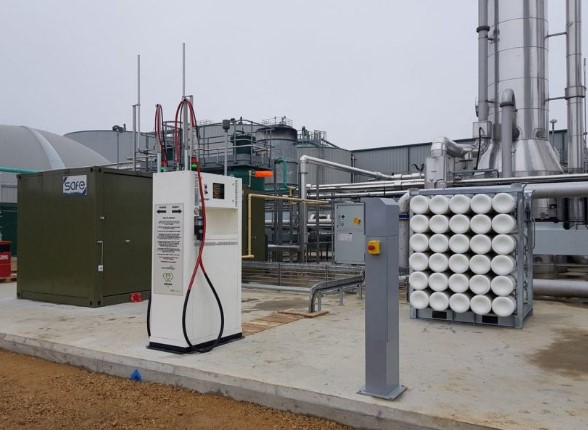
Biogas, a renewable energy source derived from the decomposition of organic matter, offers significant potential for meeting energy demands while reducing greenhouse gas emissions. However, the efficiency and usability of biogas depend on the quality of its treatment. In recent years, advancements in biogas treatment systems have revolutionized the way we utilize this valuable resource. This article explores the latest innovations in biogas treatment technology and their role in optimizing energy production from biogas.
1. Improved Gas Purification Techniques:
Gas purification is a critical step in biogas treatment to remove impurities such as hydrogen sulfide, moisture, and siloxanes. Advanced purification techniques, including pressure swing adsorption (PSA), water scrubbing, and membrane separation, have emerged to enhance the efficiency and effectiveness of biogas purification. These methods result in higher purity biogas, making it suitable for a wider range of applications, including injection into natural gas pipelines and use in fuel cells.
2. Enhanced Biogas Compression Systems:
Biogas compression is essential for storing and transporting biogas to end-users or injection points. Recent advancements in compression technology have led to the development of more efficient and reliable compression systems. High-pressure compressors equipped with state-of-the-art controls and monitoring systems allow for precise pressure regulation and energy optimization. Additionally, the integration of variable frequency drives (VFDs) and smart control algorithms ensures optimal operation under varying load conditions, further improving energy efficiency.
3. Innovative Gas Storage Solutions:
Efficient storage of biogas is crucial for ensuring a steady supply of energy and balancing fluctuations in production and demand. Advances in gas storage technology have led to the development of flexible and cost-effective storage solutions. These include above-ground and below-ground storage tanks, bladder systems, and gas holders. Modular and scalable designs allow for the expansion of storage capacity as needed, providing flexibility for biogas projects of all sizes.
4. Integration of Advanced Monitoring and Control Systems:
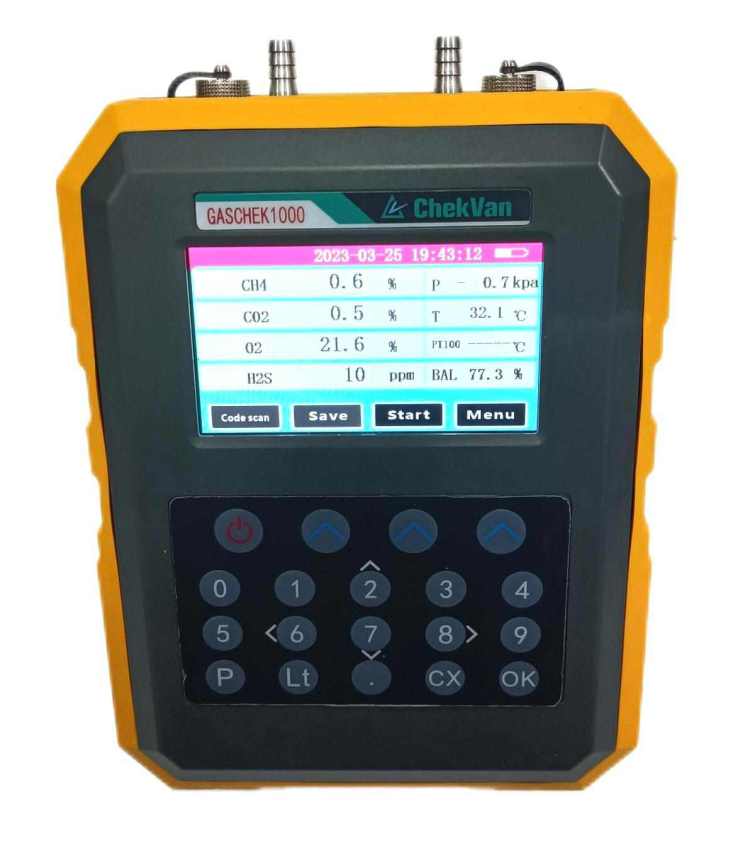
The integration of advanced monitoring and control systems has transformed the operation and management of biogas treatment facilities. Real-time monitoring of key parameters such as gas composition, flow rates, and pressure levels enables operators to optimize process efficiency and identify potential issues before they escalate. Such as the GASCHEK1000 portable biogas analyzer, use advanced photoelectric sensing principles to detect and analyze methane (CH4), oxygen (O2), carbon dioxide (CO2), hydrogen sulfide (H2S) and other gases, and accurately report , while effectively checking the digestive process.
5. Implementation of Energy Recovery Systems:
Energy recovery systems play a crucial role in maximizing the overall efficiency of biogas treatment plants. Heat exchangers, cogeneration units, and combined heat and power (CHP) systems capture waste heat from biogas treatment processes and utilize it for heating, cooling, or electricity generation. By harnessing this otherwise wasted energy, biogas treatment plants can achieve higher energy efficiency levels and reduce their environmental footprint.
Conclusion:
Advances in biogas treatment systems are driving significant improvements in the efficiency, reliability, and sustainability of biogas-based energy production. By optimizing the treatment of biogas, we can unlock its full potential as a clean and renewable energy source, contributing to a more sustainable energy future. Continued innovation and investment in biogas treatment technologies are essential to further enhance the viability and scalability of biogas projects worldwide.
 Manufacturer of biogas analyzer, landfill gas analyzer and extraction monitor, anaerobic digester gas analyzer