
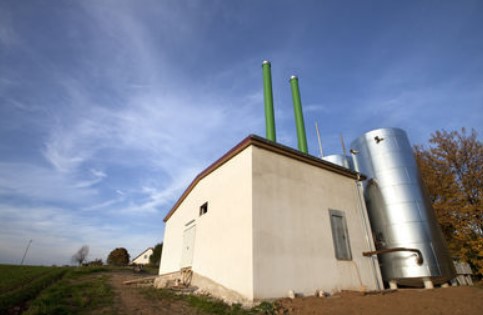
In the pursuit of sustainable energy solutions, biogas has emerged as a promising contender. Produced through the anaerobic digestion of organic materials such as agricultural waste, food scraps, and animal manure, biogas offers a renewable and environmentally friendly alternative to conventional fossil fuels. One of the key applications of biogas is electricity generation, which not only provides a clean source of power but also contributes to waste management and mitigates greenhouse gas emissions. In this article, we delve into the process of electricity generation from biogas and its role in shaping a more sustainable future.
The Biogas-to-Electricity Process:
- 1. Anaerobic Digestion:
The journey begins with anaerobic digestion, a natural process where micro-organisms break down organic matter in the absence of oxygen. This process occurs in airtight containers called digesters, where organic waste is decomposed, producing biogas as a byproduct.
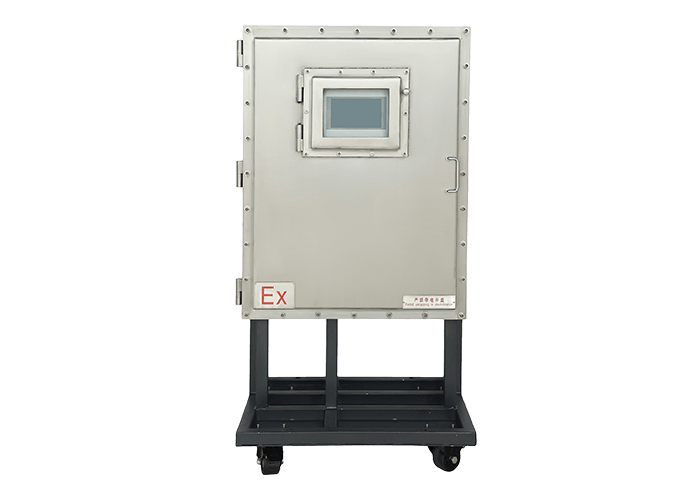
During the biogas production process, the required equipment is a biogas analyzer, which uses advanced photoelectric sensing principles to detect and analyze methane (CH4), oxygen (O2), carbon dioxide (CO2), hydrogen sulfide (H2S) and other gases. For example OLGA2000 Online Biogas Monitoring System can be widely used in gas monitoring in landfill gas power plants, petrochemicals, coal mines and other scenarios, and can realize remote data transmission.
- 2. Biogas Composition:
Biogas primarily consists of methane (CH4) and carbon dioxide (CO2), with methane being the main component responsible for its combustible properties. The composition of biogas can vary depending on the feedstock used and the digestion process.
- 3. Gas Purification:
Before biogas can be used for electricity generation, it undergoes purification to remove impurities such as hydrogen sulfide, moisture, and other contaminants. This purification process ensures the quality and safety of the biogas for combustion.
- 4. Electricity Generation:
Once purified, the biogas is fed into engines or turbines designed for power generation. These engines or turbines combust the methane in biogas, converting its energy into mechanical energy, which is then transformed into electricity through generators.
- 5. Grid Connection or On-Site Use:
The electricity generated from biogas can be connected to the grid for distribution to homes, businesses, and industries. Alternatively, it can be used on-site to power farms, wastewater treatment plants, or other facilities, providing a reliable and sustainable source of electricity.
Benefits of Electricity Generation from Biogas:
- 1. Renewable Energy Source:
Biogas is a renewable energy source derived from organic waste, making it sustainable and environmentally friendly. Its production reduces reliance on fossil fuels and helps mitigate climate change by offsetting greenhouse gas emissions.
- 2. Waste Management:
Electricity generation from biogas offers a solution to organic waste management by diverting waste from landfills and incinerators. Instead of being disposed of as waste, organic materials are converted into valuable energy, closing the loop on waste management practices.
- 3. Stable and Reliable Power Supply:
Biogas-based electricity generation provides a stable and reliable power supply, independent of weather conditions or time of day. This reliability makes it a valuable asset for grid stability and resilience, especially when integrated with other renewable energy sources.
- 4. Local Economic Benefits:
Biogas projects contribute to local economies by creating jobs in construction, operation, and maintenance. They also provide revenue streams for farmers and waste management facilities through the sale of electricity or renewable energy credits.

Conclusion: Shaping a Sustainable Energy Future
Electricity generation from biogas is a shining example of how innovative technology and sustainable practices can converge to address pressing energy and environmental challenges. As we look to power the future, biogas offers a pathway to a cleaner, greener, and more resilient energy landscape. By harnessing the potential of biogas for electricity generation, we can not only reduce our carbon footprint but also create a more sustainable and prosperous future for generations to come.
 Manufacturer of biogas analyzer, landfill gas analyzer and extraction monitor, anaerobic digester gas analyzer