
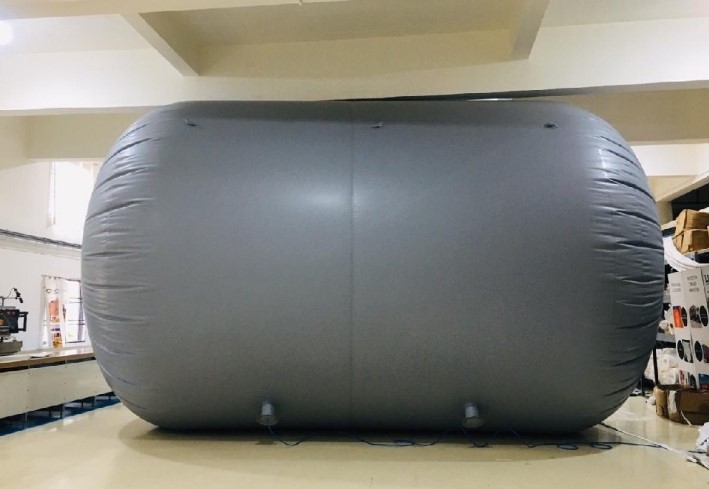
In the quest for sustainable energy sources, biogas has emerged as a promising solution, offering a renewable alternative to fossil fuels. At the forefront of biogas innovation is membrane technology, a cutting-edge approach that is revolutionizing the production and utilization of biogas. In this article, we explore the innovative applications of biogas membrane technology and how it is unlocking sustainable energy solutions for a greener future.
Understanding Biogas Membrane Technology:
Biogas membrane technology involves the use of specialized membranes to separate and purify biogas, resulting in a higher quality and more versatile end product. These membranes selectively remove impurities such as carbon dioxide, hydrogen sulfide, and moisture from raw biogas, enhancing its purity and energy content.
Key Components of Biogas Membrane Systems:
- 1. Selective Membranes:
– Selective membranes play a crucial role in biogas purification by allowing certain gases to pass through while blocking others. These membranes are engineered at the molecular level to achieve high selectivity and efficiency.
- 2. Gas Separation Units:
– Gas separation units house the selective membranes and facilitate the separation process. Biogas is passed through the membranes under pressure, allowing for the selective removal of impurities.
- 3. Gas Purification Systems:
– Gas purification systems integrate gas separation units with additional purification technologies to further refine the biogas. This may include adsorption beds, chemical scrubbers, or catalytic converters to target specific contaminants.
- 4. Gas Compression and Storage:
– Once purified, the biogas is compressed to increase its energy density and stored in tanks or cylinders for later use. Compressed biogas (CBG) can be transported and distributed efficiently, making it suitable for a wide range of applications.

Applications of Biogas Membrane Technology:
- 1. Electricity Generation:
– Purified biogas can be used as a fuel for gas engines or turbines to generate electricity. Biogas membrane technology ensures a consistent and high-quality fuel supply, optimizing the efficiency and performance of power generation systems.
- 2. Vehicle Fuel:
– Compressed biogas (CBG) produced through membrane technology is gaining traction as a clean and sustainable alternative to fossil fuels for vehicles. CBG can be used in compressed natural gas (CNG) vehicles, reducing greenhouse gas emissions and air pollution.
- 3. Injection into Natural Gas Grids:
– Purified biogas can be injected directly into natural gas pipelines, blending seamlessly with conventional natural gas supplies. This renewable natural gas (RNG) can be distributed through existing infrastructure for heating, cooking, and other applications.
Benefits of Biogas Membrane Technology:
- 1. Enhanced Energy Content:
– By removing impurities from raw biogas, membrane technology increases its energy content, maximizing the efficiency of energy conversion processes.
- 2. Reduced Environmental Impact:
– Purified biogas produced through membrane technology has lower emissions of greenhouse gases and air pollutants compared to traditional fossil fuels, contributing to environmental sustainability.
- 3. Improved Resource Utilization:
– Biogas membrane technology allows for the efficient utilization of organic waste materials, converting them into a valuable energy resource while reducing reliance on finite fossil fuels.
Conclusion:
Innovative biogas membrane technology represents a significant advancement in the quest for sustainable energy solutions. By unlocking the potential of biogas as a clean and renewable fuel source, membrane technology is paving the way for a greener and more sustainable future.
 Manufacturer of biogas analyzer, landfill gas analyzer and extraction monitor, anaerobic digester gas analyzer