
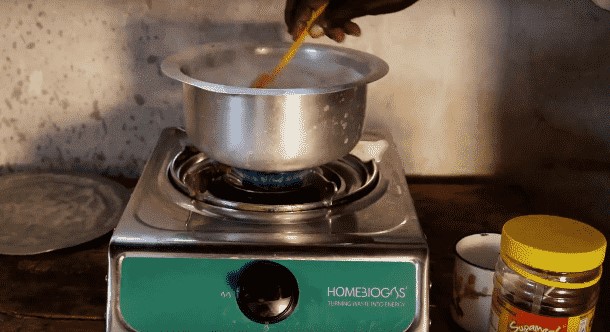
In the pursuit of sustainability, every aspect of our lives, including our culinary practices, plays a crucial role. As we strive to minimize our carbon footprint and embrace eco-friendly alternatives, innovative solutions such as the biogas cylinder for cooking are gaining traction. In this article, we delve into the concept of sustainable kitchen solutions and explore how biogas cylinders offer an environmentally friendly way to prepare meals.
The Need for Sustainable Cooking Solutions:
Traditional cooking methods often rely on fossil fuels such as coal, wood, and LPG (liquefied petroleum gas), contributing to air pollution and greenhouse gas emissions. As awareness of environmental issues grows, there is a growing demand for cleaner and more sustainable alternatives in the kitchen.
Introducing the Biogas Cylinder:
A biogas cylinder is a portable container that stores biogas, a renewable energy source produced through the anaerobic digestion of organic materials such as food waste, agricultural residues, and animal manure. These cylinders are filled with purified biogas, primarily composed of methane, which can be used as a clean-burning fuel for cooking.
Advantages of Biogas Cylinders:
1. Renewable Energy Source:
– Biogas is produced from organic waste, making it a renewable and sustainable energy source. By using biogas cylinders for cooking, households can reduce their reliance on fossil fuels and contribute to environmental conservation.
2. Reduced Greenhouse Gas Emissions:
– Compared to traditional cooking fuels, biogas produces fewer greenhouse gas emissions when burned. This helps mitigate climate change and air pollution, promoting a healthier environment for all.
3. Improved Indoor Air Quality:
– Biogas burns cleaner than traditional cooking fuels, resulting in reduced indoor air pollution. This is particularly beneficial for households in rural areas where indoor air quality can significantly impact health.
4. Cost-Effective:
– In regions where biogas production is promoted and supported, biogas cylinders can be a cost-effective cooking solution. Once the initial setup costs are covered, households can enjoy long-term savings on fuel expenses.
5. Versatility:
– Biogas cylinders can be used with standard gas stoves and cooktops, making them a convenient and versatile option for cooking. They offer the same level of control and efficiency as traditional cooking fuels.
Implementing Biogas Cylinders:
1. Biogas Production:
– To utilize biogas cylinders, households need access to biogas production facilities or community biogas plants. These facilities digest organic waste and purify the resulting biogas for distribution.
2. Distribution Networks:
– Establishing distribution networks for biogas cylinders is essential for ensuring accessibility to consumers. These networks may include local suppliers, cooperatives, or government initiatives.
3. Education and Awareness:
– Promoting awareness about the benefits of biogas cylinders and providing education on their safe and efficient use is crucial for widespread adoption. Training programs and outreach initiatives can help build trust and confidence among users.
Conclusion:
In the quest for sustainable living, the adoption of eco-friendly cooking solutions such as biogas cylinders plays a vital role. By harnessing the power of renewable energy and reducing reliance on fossil fuels, households can contribute to environmental preservation and create healthier living spaces. As the demand for sustainable kitchen solutions continues to grow, biogas cylinders offer a promising path towards a greener and more sustainable future.
 Manufacturer of biogas analyzer, landfill gas analyzer and extraction monitor, anaerobic digester gas analyzer