
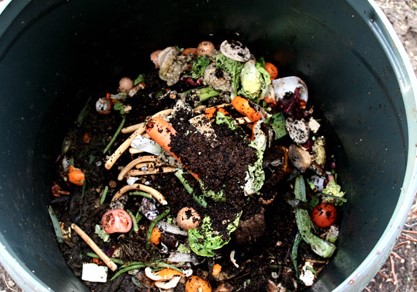
As the world grapples with the challenges of climate change and environmental degradation, the search for sustainable solutions to mitigate these issues has become increasingly urgent. In this context, biogas production from kitchen waste emerges as a promising avenue for addressing both waste management and energy needs. By harnessing the potential of organic waste materials generated in households, biogas production offers a renewable and environmentally friendly alternative to traditional energy sources. In this article, we delve into the concept of biogas production from kitchen waste, its benefits, and its role in promoting sustainability.
Understanding Biogas Production from Kitchen Waste:
Biogas production from kitchen waste involves the anaerobic digestion of organic materials such as food scraps, fruit and vegetable peels, and leftovers. In the absence of oxygen, microorganisms break down these organic materials, releasing methane-rich biogas as a byproduct. This biogas can then be captured, purified, and utilized as a clean and renewable energy source for cooking, heating, or electricity generation.
Benefits of Biogas Production from Kitchen Waste:
- 1. Waste Reduction: By diverting kitchen waste from landfills, biogas production helps reduce the volume of organic waste sent for disposal, minimizing methane emissions and alleviating pressure on waste management systems.
- 2. Renewable Energy: Biogas derived from kitchen waste is a renewable energy source, offering a sustainable alternative to fossil fuels. Its production contributes to the diversification of energy sources and reduces reliance on non-renewable resources.
- 3. Carbon Emission Reduction: Biogas production mitigates greenhouse gas emissions by capturing methane, a potent greenhouse gas, and converting it into energy. This process helps combat climate change and contributes to overall carbon footprint reduction.
- 4. Resource Recovery: In addition to producing biogas, the digestion process generates nutrient-rich digestate, which can be used as a biofertilizer for agricultural purposes. This closed-loop approach promotes resource recovery and supports sustainable agriculture practices.
Implementing Biogas Production from Kitchen Waste:
- 1. Source Separation: Implement a source separation system to segregate organic kitchen waste from other household waste streams. Provide separate bins or containers for collecting food scraps and other organic materials.
- 2. Digester Selection: Choose a suitable biogas digester system for home use, considering factors such as space availability, digester capacity, and desired biogas output. Options range from small-scale anaerobic digesters to larger community-scale systems.
- 3. Feedstock Preparation: Prepare the kitchen waste for digestion by chopping or shredding it into smaller pieces. This increases the surface area available for microbial activity and enhances biogas production efficiency.
- 4. Loading and Operation: Load the prepared kitchen waste into the digester and initiate the digestion process. Follow the manufacturer’s guidelines for digester operation, monitoring parameters such as temperature, pH levels, and gas production rates. Such as the GASCHEK1000 portable biogas analyzer, use advanced photoelectric sensing principles to detect and analyze methane (CH4), oxygen (O2), carbon dioxide (CO2), hydrogen sulfide (H2S) and other gases, and accurately report , while effectively checking the digestive process.

- 5. Biogas Utilization: Once biogas production begins, utilize the biogas for cooking, heating, or other energy needs. Install biogas appliances such as stoves, water heaters, or biogas lamps to make the most of this renewable energy source.
Conclusion
Biogas production from kitchen waste offers a sustainable and practical solution for addressing waste management challenges while meeting energy needs.
 Manufacturer of biogas analyzer, landfill gas analyzer and extraction monitor, anaerobic digester gas analyzer