
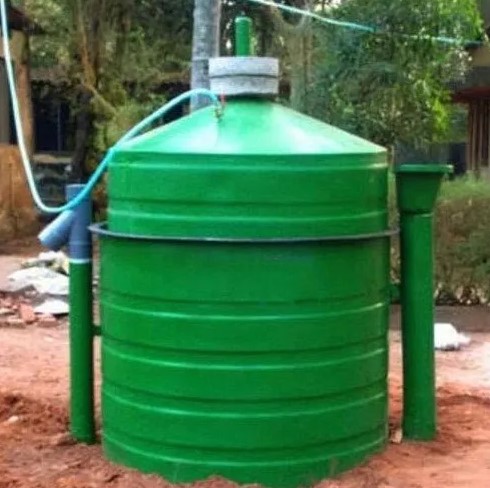
In the pursuit of sustainability and environmental consciousness, individuals and households are increasingly turning to alternative energy sources. One such solution gaining momentum is biogas, a renewable energy produced through the anaerobic digestion of organic materials. Bio gas at home offers a promising pathway towards reducing reliance on fossil fuels, minimizing carbon footprints, and promoting a greener lifestyle. In this guide, we explore the principles of biogas production at home, its benefits, and practical steps to implement this sustainable energy solution.
Understanding Biogas Production:
Biogas is produced through a natural process called anaerobic digestion, where organic materials such as kitchen waste, agricultural residues, or animal manure are broken down by bacteria in the absence of oxygen. This process releases methane-rich biogas, which can be captured and utilized as a clean and renewable energy source.
Benefits of Biogas at Home:
- 1. Renewable Energy: Biogas is a renewable energy source, derived from organic waste materials that would otherwise decompose and release greenhouse gases into the atmosphere.
- 2. Waste Management: Biogas production at home provides an environmentally friendly solution for managing organic waste, reducing the volume of waste sent to landfills and minimizing methane emissions.
- 3. Energy Independence: By producing biogas at home, individuals can reduce their dependence on fossil fuels and contribute to energy self-sufficiency.
- 4. Cost Savings: Biogas can be used for cooking, heating, and even electricity generation, offering potential savings on energy bills over time.
Implementing Biogas at Home:
- 1. Selecting a Digester System: Choose a biogas digester system that suits your household’s needs and available space. Options range from small-scale digesters suitable for individual households to larger systems suitable for community or farm use.
- 2. Gathering Feedstock: Collect organic waste materials such as kitchen scraps, food waste, garden trimmings, or animal manure to feed into the digester. Ensure a balance of carbon-rich (e.g., kitchen scraps) and nitrogen-rich (e.g., manure) materials for optimal digestion.
- 3. Loading the Digester: Load the organic waste materials into the digester, ensuring proper mixing and moisture levels. Follow guidelines provided with the digester system for optimal loading and operation.
- 4. Managing the Digestion Process: Monitor the digestion process regularly, adjusting factors such as temperature, pH levels, and feedstock inputs as needed. such as the GASCHEK1000 portable biogas analyzer, use advanced photoelectric sensing principles to detect and analyze methane (CH4), oxygen (O2), carbon dioxide (CO2), hydrogen sulfide (H2S) and other gases, and accurately report , while effectively checking the digestive process.

- 5. Utilizing Biogas: Once biogas production begins, utilize the biogas for cooking, heating, or other energy needs. Install biogas appliances such as stoves, water heaters, or biogas lamps to make the most of this renewable energy source.
Conclusion: Embracing Sustainable Energy at Home
Biogas offers a practical and sustainable energy solution for households seeking to reduce their environmental impact and embrace renewable energy. By harnessing organic waste materials to produce biogas at home, individuals can contribute to a cleaner, greener future while enjoying the benefits of energy independence and cost savings. With careful planning, proper management, and the right equipment, biogas at home can be a rewarding and environmentally responsible choice for sustainable living.
 Manufacturer of biogas analyzer, landfill gas analyzer and extraction monitor, anaerobic digester gas analyzer