
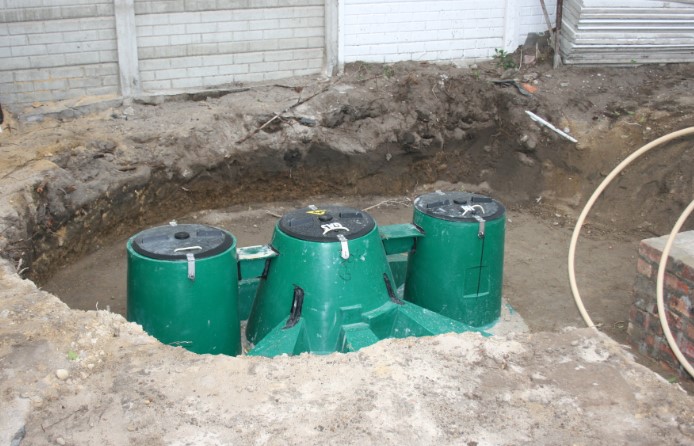
In the pursuit of sustainable energy solutions, biogas has emerged as a promising alternative that offers multiple environmental and economic benefits. At the heart of biogas production lies the digester, a critical component that plays a pivotal role in the efficiency and sustainability of biogas plants. In this article, we delve into the significance of digesters in biogas plant operations, exploring how they contribute to enhanced sustainability and optimized energy production.
1. Anaerobic Digestion: The Core Process
Digesters are central to the process of anaerobic digestion, where organic materials are broken down by microorganisms in the absence of oxygen to produce biogas. These digesters provide an enclosed environment conducive to the growth and activity of anaerobic bacteria, facilitating the conversion of organic matter into methane-rich biogas. The efficiency of this process depends largely on the design and operation of the digester, making it a critical factor in biogas plant performance.
2. Maximizing Gas Yield
One of the primary functions of digesters is to maximize the yield of biogas from organic feedstock. Different types of digesters, such as fixed-dome, floating-drum, and plug-flow digesters, offer varying levels of efficiency and gas production rates. The selection of an appropriate digester design depends on factors such as the composition of the feedstock, the desired gas output, and operational considerations. By optimizing digester parameters such as temperature, pH levels, and retention time, operators can maximize gas yield while ensuring process stability and reliability.
3. Improving Process Stability
Digesters play a crucial role in maintaining process stability and consistency in biogas production. Fluctuations in operating conditions, such as temperature variations or changes in feedstock composition, can adversely affect microbial activity and gas production rates. Well-designed digesters incorporate features such as insulation, heating systems, and mixing mechanisms to regulate environmental conditions and promote microbial growth. By providing a stable and controlled environment, digesters help minimize process disruptions and ensure reliable biogas production over time.
4. Enhancing Waste Treatment
In addition to biogas production, digesters contribute to the efficient treatment of organic waste, thereby mitigating environmental pollution and reducing greenhouse gas emissions. Through anaerobic digestion, digesters break down complex organic compounds present in waste materials, converting them into biogas and digestate, a nutrient-rich byproduct. Digestate can be used as a fertilizer in agriculture, closing the nutrient loop and promoting circular economy principles. By harnessing the potential of digesters for waste treatment, biogas plants contribute to sustainable waste management practices and environmental conservation.
5. Advancing Digester Technologies
Advancements in digester technologies continue to drive improvements in biogas plant efficiency and sustainability. Innovations such as smart digesters equipped with sensor networks, automated control systems, and remote monitoring capabilities enable real-time optimization of digester operations. Modular and prefabricated digester designs offer scalability and flexibility, allowing for cost-effective deployment in diverse settings. Moreover, research efforts focused on optimizing digester performance, enhancing biogas production rates, and developing novel digester materials contribute to ongoing advancements in the field.
Conclusion: The Digesters’ Role in Sustainable Biogas Production
Digesters are integral to the sustainability and efficiency of biogas plants, serving as the cornerstone of anaerobic digestion processes. By maximizing gas yield, improving process stability, enhancing waste treatment, and advancing digester technologies, these vital components play a critical role in advancing sustainable biogas production.
 Manufacturer of biogas analyzer, landfill gas analyzer and extraction monitor, anaerobic digester gas analyzer