
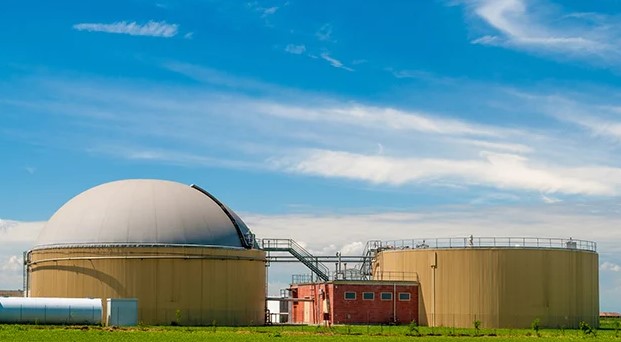
Biogas, a renewable energy source derived from organic waste, holds immense promise in the transition towards a sustainable energy future. Recognizing its significance, the International Energy Agency (IEA) has been actively engaged in initiatives aimed at unlocking the potential of biogas as a clean and versatile energy source. In this article, we delve into the various biogas initiatives spearheaded by the IEA, exploring their objectives, achievements, and impact on advancing biogas technology and utilization worldwide.
1. IEA Bioenergy Task 37: Biogas
At the forefront of IEA’s biogas initiatives is Task 37 under the IEA Bioenergy Agreement. Task 37 focuses specifically on biogas, aiming to facilitate the development and deployment of biogas technologies through international collaboration, knowledge sharing, and best practices dissemination. Task 37 provides a platform for experts, researchers, industry stakeholders, and policymakers to exchange insights, address challenges, and promote innovation in biogas production, utilization, and policy development.
2. Biogas Roadmap: Accelerating Deployment
As part of its efforts to promote biogas deployment, the IEA has developed biogas roadmaps for various countries and regions. These roadmaps provide comprehensive assessments of the biogas potential, identify key barriers and opportunities, and propose strategic actions to accelerate biogas deployment. By collaborating with national governments and stakeholders, the IEA aims to facilitate the adoption of policies and measures that promote biogas investment, technology development, and market growth.
3. Best Practice Guidelines: Enhancing Efficiency and Sustainability
The IEA actively promotes the development and dissemination of best practice guidelines for biogas production, utilization, and policy development. These guidelines draw on international expertise and experiences to provide practical recommendations for optimizing biogas systems’ efficiency, sustainability, and environmental performance. By adopting best practices, stakeholders can maximize biogas yields, minimize environmental impacts, and ensure the long-term viability of biogas projects.
4. Capacity Building and Training Programs
Recognizing the need to build technical capacity and expertise in the field of biogas, the IEA organizes capacity building workshops, training programs, and knowledge exchange activities. These initiatives aim to equip policymakers, industry professionals, researchers, and project developers with the skills and knowledge needed to plan, implement, and operate biogas projects effectively. By empowering stakeholders with technical know-how and best practices, the IEA seeks to catalyze biogas deployment and innovation worldwide.
5. Policy Support and Advocacy
The IEA plays a crucial role in advocating for supportive policies and regulatory frameworks that facilitate biogas deployment and market development. Through policy analysis, advocacy campaigns, and policy dialogue platforms, the IEA engages with governments, policymakers, and stakeholders to promote policies that incentivize biogas investment, remove regulatory barriers, and create an enabling environment for biogas development. By aligning policy objectives with sustainability goals, the IEA aims to accelerate the transition to a low-carbon energy future.
Conclusion: Driving Biogas Innovation and Deployment
The IEA’s biogas initiatives play a pivotal role in driving innovation, collaboration, and deployment across the biogas value chain. By fostering international cooperation, promoting best practices, building technical capacity, and advocating for supportive policies, the IEA is unlocking the potential of biogas as a clean, renewable, and versatile energy source.
 Manufacturer of biogas analyzer, landfill gas analyzer and extraction monitor, anaerobic digester gas analyzer