

In the global pursuit of sustainable energy solutions, the conversion of food waste into methane holds tremendous promise. Food waste, a significant contributor to landfills and greenhouse gas emissions, can be transformed through anaerobic digestion into biogas, a renewable energy source rich in methane. In this article, we explore the process of methane production from food waste, its environmental benefits, challenges, and its potential to unlock a sustainable energy future.
Anaerobic Digestion: The Key to Methane Production
At the heart of methane production from food waste lies anaerobic digestion, a natural biological process in which microorganisms break down organic materials in the absence of oxygen. When food waste is placed in an oxygen-free environment, such as a sealed digester tank, anaerobic bacteria decompose the waste, producing biogas as a byproduct. This biogas primarily consists of methane (CH4) and carbon dioxide (CO2), with trace amounts of other gases such as hydrogen sulfide (H2S) and ammonia (NH3).
Environmental Benefits of Methane Production from Food Waste
1. Greenhouse Gas Reduction:
– Methane is a potent greenhouse gas, with a much higher warming potential than carbon dioxide. By capturing methane emissions from decomposing food waste and converting them into biogas, methane production helps mitigate climate change by reducing greenhouse gas emissions.
2. Waste Diversion:
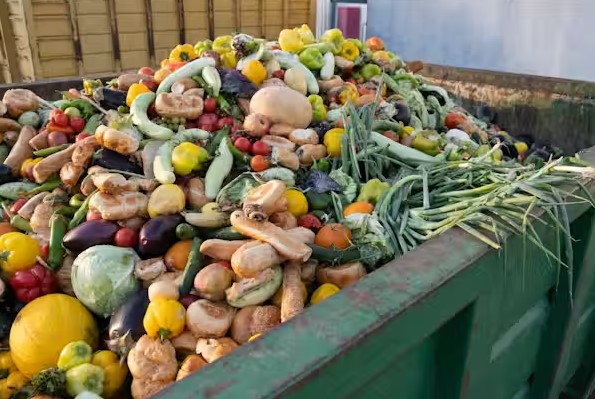
– Methane production from food waste offers a sustainable solution to the growing problem of food waste disposal. Instead of ending up in landfills where it emits methane as it decomposes, food waste can be diverted to anaerobic digesters, where it is converted into renewable energy.
3. Renewable Energy Generation:
– Biogas produced from food waste can be used as a renewable energy source for various applications, including electricity generation, heating, and transportation fuel. Methane-rich biogas can be combusted in engines or turbines to produce electricity or heat, providing a reliable and sustainable energy source.
Challenges and Considerations
1. Feedstock Quality and Availability:
– The quality and availability of food waste feedstock can vary, affecting the efficiency and economics of methane production. Contaminants such as plastics, metals, and non-biodegradable materials can interfere with the anaerobic digestion process and require costly pre-processing steps.
2. Digestion Efficiency and Process Optimization:
– Achieving optimal methane production from food waste requires careful process optimization and management of anaerobic digestion conditions. Factors such as temperature, pH levels, and retention time must be carefully controlled to maximize biogas yields and prevent process instability.
3. Infrastructure and Investment:
– Building and operating anaerobic digestion facilities for methane production from food waste require significant upfront investment in infrastructure, equipment, and operational costs. The scale of the operation, technology choices, and regulatory requirements can influence the overall project cost and viability.
Conclusion
Methane production from food waste represents a compelling solution to the dual challenges of waste management and renewable energy generation. By harnessing the natural process of anaerobic digestion, we can transform food waste into a valuable resource while reducing greenhouse gas emissions and dependence on fossil fuels.
 Manufacturer of biogas analyzer, landfill gas analyzer and extraction monitor, anaerobic digester gas analyzer