
The quest for sustainable energy solutions has led to remarkable advancements in biogas production equipment. Biogas, derived from the anaerobic digestion of organic materials, offers a renewable and environmentally friendly alternative to conventional fuels. With continuous innovation and technological developments, biogas production equipment has become more efficient, reliable, and accessible, driving the transition towards a greener energy landscape. In this article, we explore some of the latest innovations in biogas production equipment and their significant role in advancing sustainable energy.
1. Smart Digesters:
The integration of smart technologies into biogas digesters has revolutionized the way biogas is produced. Automated monitoring systems equipped with sensors continuously track key parameters such as temperature, pH levels, and gas production rates. This real-time data allows for precise control of the digestion process, optimizing biogas yields and overall efficiency. Additionally, smart digesters enable remote monitoring and control, enhancing operational flexibility and reducing the need for manual intervention.
2. High-Efficiency Feedstock Processing:
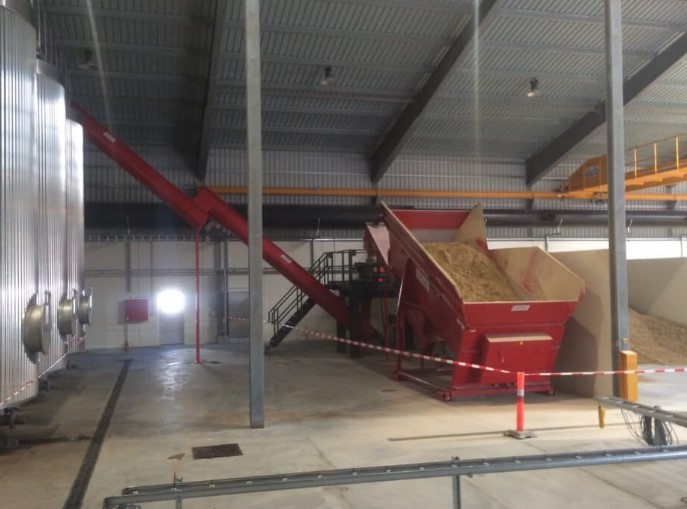
Innovations in feedstock processing technologies have improved the efficiency of organic material conversion into biogas. High-speed shredders, advanced pre-treatment methods, and optimized mixing techniques ensure a more uniform and digestible feedstock. This results in higher biogas production rates and enhanced process stability. Moreover, efficient feedstock processing minimizes energy consumption and reduces the environmental footprint of biogas production.
3. Gas Upgrading Technologies:
The quality of biogas is critical for its usability in various applications. Advanced gas upgrading technologies refine raw biogas by removing impurities such as carbon dioxide, hydrogen sulfide, and moisture. This purification process produces high-purity biomethane, which can be injected into natural gas grids or used as a vehicle fuel. Innovations in gas upgrading technologies enhance the versatility and marketability of biogas, facilitating its integration into existing energy infrastructures.
4. Compact and Modular Digesters:
Traditional large-scale biogas digesters are being replaced by compact and modular designs, especially in decentralized settings. These smaller-scale systems offer several advantages, including easier installation, reduced land requirements, and scalability. Modular digesters can be customized to meet specific needs and can be easily expanded as demand grows. Additionally, compact digesters are more cost-effective and suitable for diverse environments, making biogas production accessible to a wider range of stakeholders.
5. Advanced Gas Storage Solutions:
Efficient storage of biogas is essential for ensuring a reliable and continuous energy supply. Innovations in gas storage technologies include high-pressure storage vessels, flexible membrane storage systems, and underground reservoirs. These advanced storage solutions optimize space utilization, minimize gas losses, and improve safety. Additionally, integrated gas storage and distribution networks enable efficient transportation and utilization of biogas, supporting its integration into existing energy infrastructure.
Conclusion: Driving the Transition to Sustainable Energy
Innovations in biogas production equipment are driving the transition to sustainable energy by making biogas production more efficient, reliable, and economically viable. Smart digesters, high-efficiency feedstock processing technologies, advanced gas upgrading systems, compact and modular digester designs, and innovative gas storage solutions are just some of the advancements shaping the future of biogas production.
 Manufacturer of biogas analyzer, landfill gas analyzer and extraction monitor, anaerobic digester gas analyzer