
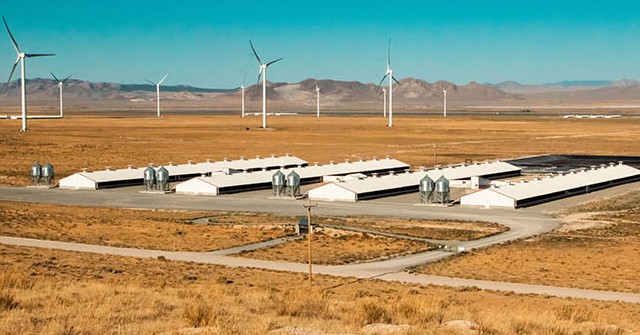
In the quest for sustainable energy solutions, biogas has emerged as a promising alternative with its ability to transform organic waste into renewable fuel. However, before biogas can be utilized effectively, it often requires upgrading to remove impurities and increase its energy content. While biogas upgrading is essential for maximizing its potential, it can also entail significant costs. In this article, we explore strategies for navigating biogas upgrading costs to ensure efficiency and economic viability in renewable energy projects.
Understanding Biogas Upgrading:
Biogas upgrading is a process that purifies raw biogas to increase its methane content and remove contaminants such as carbon dioxide, hydrogen sulfide, and moisture. This upgraded biogas, known as biomethane or renewable natural gas (RNG), can be used interchangeably with conventional natural gas and has a wide range of applications, including heating, electricity generation, and vehicle fuel.
Factors Influencing Biogas Upgrading Costs:
- 1. Feedstock Composition:
– The composition of the raw biogas feedstock, including the concentration of impurities such as carbon dioxide and hydrogen sulfide, can significantly impact upgrading costs. Biogas from different feedstocks may require varying degrees of purification, affecting the complexity and expense of the upgrading process.
- 2. Scale of Operation:
– The scale of the biogas upgrading facility plays a crucial role in determining costs. Larger-scale facilities may benefit from economies of scale, resulting in lower per-unit costs of upgrading. Conversely, smaller-scale projects may face higher costs due to the lack of economies of scale and the need for specialized equipment.
- 3. Upgrading Technology:
– Various technologies are available for biogas upgrading, each with its advantages, disadvantages, and associated costs. Common upgrading methods include pressure swing adsorption (PSA), water scrubbing, membrane separation, and cryogenic distillation. The choice of technology depends on factors such as feedstock composition, desired purity levels, and project budget.
- 4. Energy Requirements:
– Biogas upgrading processes require energy inputs to operate equipment and facilitate gas separation and purification. The energy consumption associated with upgrading can contribute significantly to operational costs. Implementing energy-efficient equipment and optimizing process parameters can help mitigate energy-related expenses.
Strategies for Efficiency in Biogas Upgrading:
- 1. Optimize Feedstock Composition:
– Minimize the concentration of impurities in the biogas feedstock through effective pre-treatment and digestion processes. Select feedstocks with lower sulfur and carbon dioxide content to reduce the extent of purification required during upgrading.
- 2. Evaluate Technology Options:
– Conduct a thorough assessment of available upgrading technologies to identify the most suitable option for the project’s requirements and budget. Consider factors such as capital costs, operating costs, energy efficiency, scalability, and reliability when selecting an upgrading technology.
- 3. Maximize Operational Efficiency:
– Implement operational best practices to maximize the efficiency of biogas upgrading processes. Optimize process parameters, such as temperature, pressure, and flow rates, to achieve optimal performance while minimizing energy consumption and operating costs.
- 4. Explore Financing and Incentives:
– Investigate financing options, grants, and incentives available for renewable energy projects, including biogas upgrading facilities. Government subsidies, tax credits, and grants may help offset upfront capital costs and make upgrading projects more economically viable.
- 5. Consider Co-location Opportunities:
– Explore opportunities to co-locate biogas upgrading facilities with existing biogas production sites, such as anaerobic digestion facilities or wastewater treatment plants. Co-location can help reduce infrastructure costs, streamline logistics, and maximize resource utilization.
Conclusion:
Biogas upgrading is a critical step in harnessing the full potential of biogas as a renewable energy source. While upgrading costs can be significant, adopting strategies for efficiency and cost-effectiveness can help navigate these challenges and maximize the economic viability of biogas upgrading projects.
 Manufacturer of biogas analyzer, landfill gas analyzer and extraction monitor, anaerobic digester gas analyzer