
In the quest for sustainable energy solutions, biogas systems have emerged as a promising option, offering a renewable and eco-friendly alternative to traditional fossil fuels. However, understanding the costs associated with implementing a biogas system is crucial for making informed investment decisions. In this article, we provide a comprehensive guide to navigating biogas system costs, exploring the various factors that influence expenditure and highlighting the benefits of sustainable investments in biogas technology.
Understanding Biogas System Costs:
1. Initial Investment:
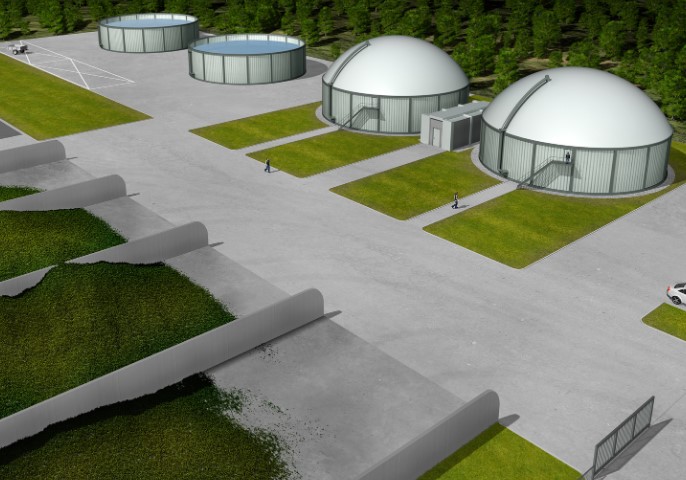
The initial investment in a biogas system typically includes the cost of equipment such as digesters, gas storage units, gas purification systems, and gas utilization technologies. The size and complexity of the system, as well as the quality of materials used, can significantly impact the initial investment.
2. Feedstock and Operating Costs:
The cost of feedstock, including organic waste materials such as agricultural residues, food waste, and animal manure, is another important consideration. Additionally, operating costs such as maintenance, labor, and utilities should be factored into the overall cost of running a biogas system.
3. Infrastructure and Site Preparation:
Infrastructure and site preparation costs can vary depending on factors such as site location, terrain, and accessibility. Costs may include land acquisition or lease expenses, site clearing, excavation, and construction of access roads and utilities.
4. Regulatory Compliance and Permitting:
Compliance with regulatory requirements and obtaining necessary permits can add to the overall cost of implementing a biogas system. Permitting costs may include environmental assessments, engineering studies, and fees associated with obtaining permits from regulatory authorities.
Benefits of Sustainable Investments in Biogas Systems:
1. Renewable Energy Generation:
Biogas systems provide a sustainable source of renewable energy, reducing dependence on finite fossil fuels and mitigating greenhouse gas emissions. They contribute to energy security and help diversify the energy mix, particularly in rural or off-grid areas.
2. Waste Management and Environmental Benefits:
Biogas systems offer a sustainable solution for managing organic waste materials, reducing the environmental impact of waste disposal and minimizing methane emissions from landfills. They contribute to waste reduction efforts and promote resource conservation.
3. Economic Opportunities and Job Creation:
Investment in biogas systems can stimulate economic growth and create job opportunities in sectors such as agriculture, renewable energy, and waste management. They support local economies and foster innovation and entrepreneurship.
4. Climate Resilience and Adaptation:
Biogas systems enhance climate resilience by promoting sustainable land use practices, reducing carbon emissions, and mitigating the impacts of climate change. They contribute to climate adaptation efforts and support communities in building resilience to environmental challenges.
Conclusion:
Navigating biogas system costs requires careful consideration of various factors, including initial investment, operating costs, infrastructure requirements, and regulatory compliance. While upfront costs may seem significant, the long-term benefits of sustainable investments in biogas technology outweigh the initial expenditures. By harnessing the power of renewable energy and promoting sustainable practices, biogas systems offer a path towards a greener, more resilient future.
 Manufacturer of biogas analyzer, landfill gas analyzer and extraction monitor, anaerobic digester gas analyzer