
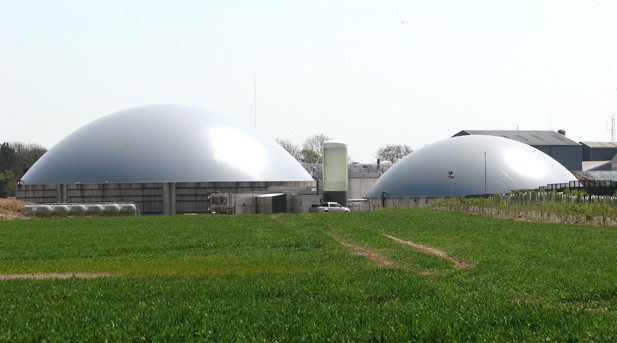
As the global community intensifies efforts to combat climate change and embrace sustainable practices, industries are increasingly turning to innovative solutions to reduce their environmental footprint. Industrial biogas plants have emerged as a key player in this transition, offering a sustainable and eco-friendly alternative to traditional manufacturing processes. In this article, we explore the pivotal role of industrial biogas plants in driving sustainability and transforming the landscape of green manufacturing.
The Rise of Industrial Biogas Plants:
Industrial biogas plants harness the power of anaerobic digestion to convert organic waste materials, such as agricultural residues, food scraps, and wastewater sludge, into biogas. This renewable energy source, primarily composed of methane and carbon dioxide, can be used to generate electricity, heat, or biofuels, replacing fossil fuels and reducing greenhouse gas emissions. The adoption of industrial biogas plants represents a paradigm shift towards circular economy principles, where waste is transformed into valuable resources.
Key Contributions to Green Manufacturing:
1. Reduction of Greenhouse Gas Emissions:
By capturing methane emissions from organic waste and converting them into biogas, industrial biogas plants play a crucial role in mitigating greenhouse gas emissions. This not only helps combat climate change but also enhances air quality and reduces environmental pollution.
2. Resource Conservation:
Industrial biogas plants promote resource conservation by utilizing organic waste materials that would otherwise be disposed of in landfills or incinerated. This contributes to waste reduction efforts and minimizes the need for virgin materials, conserving natural resources and reducing the environmental impact of manufacturing processes.
3. Energy Independence and Security:
The use of biogas as a renewable energy source enhances energy independence and security for industries. By diversifying energy sources and reducing reliance on fossil fuels, industrial biogas plants mitigate the risks associated with fluctuating energy prices and supply disruptions.
4. Circular Economy Practices:
Industrial biogas plants embody the principles of the circular economy by closing the loop on waste management. Organic waste materials are converted into biogas, which is then used to power manufacturing operations or feed into the grid, creating a circular and self-sustaining system of resource utilization.
5. Community Engagement and Stakeholder Collaboration:
The implementation of industrial biogas plants fosters community engagement and collaboration among stakeholders, including industry players, government agencies, and local communities. By promoting sustainable practices and supporting renewable energy initiatives, industrial biogas plants contribute to the socio-economic development of surrounding areas.
Industrial biogas plants are at the forefront of driving sustainability in green manufacturing, offering a holistic solution to environmental challenges while promoting economic growth and social progress. By harnessing the power of organic waste materials, these plants demonstrate the transformative potential of renewable energy and circular economy principles.
 Manufacturer of biogas analyzer, landfill gas analyzer and extraction monitor, anaerobic digester gas analyzer