
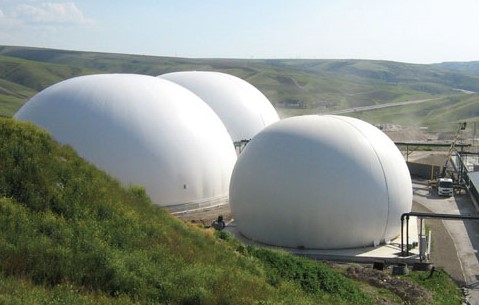
In the global push towards sustainable energy solutions, biogas electricity plants have emerged as a promising avenue, offering renewable energy generation while mitigating environmental impact. However, understanding the costs associated with establishing and operating such facilities is crucial for informed decision-making and effective project management. In this comprehensive overview, we delve into the various factors influencing biogas electricity plant costs, providing insights into the investment considerations, operational expenses, and economic viability of these facilities.
1. Understanding Biogas Electricity Plants:
Before diving into cost analysis, it’s essential to grasp the fundamentals of biogas electricity plants. These facilities utilize anaerobic digestion to convert organic materials, such as agricultural residues, food waste, and animal manure, into biogas—a mixture of methane and carbon dioxide. The biogas is then combusted in generators to produce electricity, providing a renewable and eco-friendly energy source.
2. Key Cost Components:
Several factors contribute to the overall cost of establishing and operating a biogas electricity plant:
- Initial Investment: This includes expenditures on land acquisition, site preparation, infrastructure development, and equipment procurement. The cost of biogas digesters, gas purification systems, electricity generators, and grid connection infrastructure are significant components of the initial investment.
- Operating Expenses: Operational costs encompass ongoing expenses associated with plant maintenance, feedstock procurement, labor, utilities, and administrative overheads. Regular maintenance of equipment, monitoring of anaerobic digestion processes, and compliance with regulatory requirements are essential for efficient plant operation.
- Feedstock Costs: The availability and cost of feedstock—organic materials used for biogas production—impact plant economics significantly. Sourcing feedstock from agricultural residues, food processing waste, or dedicated energy crops involves associated costs, which can fluctuate based on market dynamics and seasonal variations.
- Gas Utilization Infrastructure: Depending on the plant’s scale and location, additional infrastructure may be required for biogas utilization. This includes gas storage facilities, gas purification and upgrading systems (for injecting biogas into natural gas grids), and distribution networks for supplying biogas to end-users.

3. Cost Variation Factors:
Several factors influence the variability of biogas electricity plant costs:
- – Scale of Operation: The size and capacity of the plant—ranging from small-scale community digesters to large commercial facilities—affect both initial investment and operational expenses. Economies of scale may lead to lower unit costs for larger plants but require higher upfront capital.
- – Feedstock Availability: The abundance and proximity of feedstock sources influence feedstock procurement costs. Plants located near agricultural areas or food processing facilities may have access to ample, low-cost feedstock, while those in urban areas may face higher transportation costs for organic waste.
- – Technology and Efficiency: Advancements in biogas production technology, such as improved digester designs, gas purification methods, and generator efficiency, can impact overall plant costs. Higher efficiency technologies may entail higher upfront costs but offer long-term benefits in terms of energy output and operational savings.
- – Regulatory and Policy Environment: Government incentives, subsidies, and regulatory frameworks play a significant role in shaping the economics of biogas electricity plants. Feed-in tariffs, tax incentives, renewable energy credits, and grants can help offset initial investment costs and improve project viability.
4. Economic Viability and Return on Investment:
Assessing the economic viability of biogas electricity plants involves evaluating the project’s financial metrics, including net present value (NPV), internal rate of return (IRR), payback period, and levelized cost of electricity (LCOE). These metrics consider both capital investment and operational expenses relative to expected revenue streams from electricity sales, feedstock utilization, and potential revenue from by-products (e.g., digestate for fertilizer).
Conclusion:
Analyzing biogas electricity plant costs is essential for stakeholders involved in renewable energy projects, from investors and developers to policymakers and energy consumers. By understanding the factors influencing costs, evaluating economic viability, and leveraging technological advancements and supportive policies, the transition towards biogas-based electricity generation can be accelerated.
 Manufacturer of biogas analyzer, landfill gas analyzer and extraction monitor, anaerobic digester gas analyzer