

In the global pursuit of sustainable energy solutions, biogas has emerged as a frontrunner, offering a renewable and eco-friendly alternative to traditional fossil fuels. Derived from the anaerobic digestion of organic materials, biogas production holds immense potential for addressing energy needs while mitigating environmental impact. In this comprehensive guide, we delve into the intricacies of biogas production, how to get started making biogas, and provide a roadmap for individuals and communities keen to harness this versatile energy source.
Understanding the Basics of Biogas Production:
At its core, biogas production is a natural process that occurs through anaerobic digestion—a biochemical conversion process in the absence of oxygen. Organic materials such as agricultural residues, food waste, animal manure, and sewage undergo decomposition by microorganisms, resulting in the release of biogas. This biogas primarily consists of methane (CH4) and carbon dioxide (CO2), along with trace amounts of other gases.
Key Components of a Biogas Plant:
To initiate biogas production, a biogas plant is essential. While designs may vary, all biogas plants consist of several fundamental components:
- – Digester Tank: The heart of the biogas plant, where anaerobic digestion takes place.
- – Gas Collection System: Collects and stores the produced biogas for subsequent use.
- – Feedstock Input: Organic materials are fed into the digester tank to initiate the digestion process.
- – Gas Outlet and Distribution System: Transports biogas from the digester to the desired end-use applications.

Steps to Making Biogas:
- 1. Feedstock Selection: Choose suitable organic materials rich in carbon and nitrogen content. Common feedstocks include kitchen waste, crop residues, livestock manure, and wastewater sludge.
- 2. Feedstock Preparation: Depending on the feedstock, shredding or chopping may be required to facilitate the digestion process and increase surface area for microbial activity.
- 3. Loading the Digester: Introduce the prepared feedstock into the digester tank, ensuring a balanced mix of carbon-rich (e.g., kitchen waste) and nitrogen-rich (e.g., manure) materials.
- 4. Initiating Anaerobic Digestion: Seal the digester tank to create an oxygen-free environment conducive to anaerobic digestion. Microorganisms present in the digester will break down the organic matter, releasing biogas as a byproduct.
- 5. Gas Collection and Storage: As biogas accumulates in the digester, it rises to the top and is collected in the gas storage system. Ensure proper sealing and insulation to prevent gas leaks and maintain optimal temperature conditions.
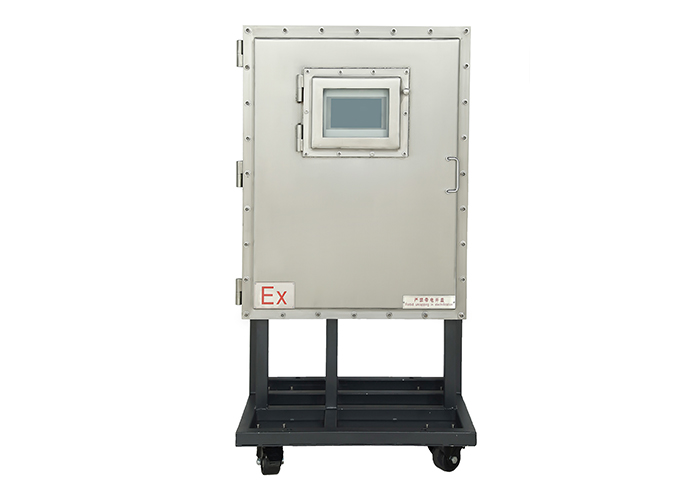
- 6. Monitoring and Maintenance: Regularly monitor the biogas production process, including temperature, pH levels, and gas composition. For example, the OLGA2000 biogas online monitoring system can be widely used in gas monitoring in landfill biogas power plants, petrochemical industries, coal mines and other scenarios, and can achieve remote data transmission.
Benefits of Biogas Production:
- – Renewable Energy Source: Biogas is a renewable energy source derived from organic waste materials, reducing reliance on fossil fuels.
- – Waste Management: Biogas production provides a sustainable solution for managing organic waste, reducing greenhouse gas emissions from landfills and agricultural activities.
- – Energy Independence: Biogas plants offer communities and individuals the opportunity to generate their own clean energy, promoting energy independence and resilience.
Challenges and Considerations:
- – Feedstock Availability: Access to consistent and sufficient feedstock may pose challenges, particularly for smaller-scale biogas plants.
- – Technical Expertise: Proper design, construction, and operation of biogas plants require technical expertise and knowledge of anaerobic digestion processes.
- – Economic Viability: Initial investment costs and ongoing maintenance expenses may affect the economic viability of biogas projects, necessitating careful planning and consideration of potential returns on investment.
Conclusion:
Mastering biogas production offers a pathway towards sustainable energy generation and environmental stewardship. By harnessing the power of anaerobic digestion, communities and individuals can transform organic waste into a valuable resource, all while reducing environmental impact and promoting energy independence. With proper planning, implementation, and maintenance, biogas production has the potential to revolutionize the way we meet our energy needs, paving the way towards a cleaner, greener future.
 Manufacturer of biogas analyzer, landfill gas analyzer and extraction monitor, anaerobic digester gas analyzer