
In the pursuit of sustainable energy solutions, harnessing renewable resources has become increasingly imperative. Among these resources, biogas—a versatile fuel produced from organic waste through anaerobic digestion—offers a promising pathway for electricity generation. This article explores the process of generating electricity from biogas, its advantages, and its pivotal role in the transition towards a cleaner and more sustainable energy future.
Unveiling the Electricity Generation Process from Biogas
- 1. Biogas Production: The journey begins with the production of biogas through anaerobic digestion. Organic materials such as agricultural residues, food waste, and animal manure are fed into anaerobic digesters where microorganisms break down the organic matter, releasing methane-rich biogas as a byproduct.
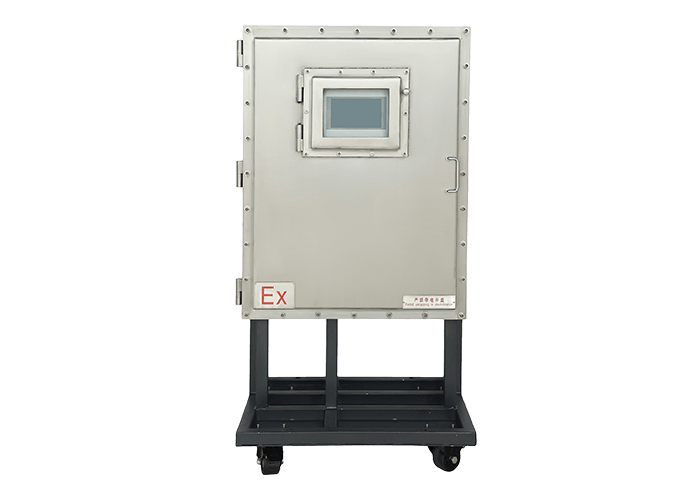
- During the biogas production process, a biogas analyzer is needed to monitor the composition of the biogas. For example, the OLGA2000 biogas online monitoring system uses advanced photoelectric sensing principles to detect and analyze methane (CH4), oxygen (O2), carbon dioxide (CO2), hydrogen sulfide (H2S) and other gases.
- 2. Biogas Purification: The biogas produced undergoes purification to remove impurities such as carbon dioxide, hydrogen sulfide, and moisture. This purification process enhances the quality of biogas, making it suitable for combustion in engines or turbines.
- 3. Combustion for Electricity Generation: The purified biogas is then combusted in engines or turbines to generate electricity. Biogas-fired engines convert the energy released from biogas combustion into mechanical energy, which is then converted into electrical energy using generators. Alternatively, biogas can be utilized in gas turbines for electricity production.
- 4. Power Grid Integration: The electricity generated from biogas can be integrated into the power grid to meet the energy demands of homes, businesses, and industries. It can either be used on-site to power facilities or exported to the grid for wider distribution.
Advantages of Electricity Generation from Biogas
- 1. Renewable Energy Source: Biogas is produced from organic waste materials, making it a renewable and sustainable energy source that helps reduce reliance on fossil fuels.
- 2. Mitigation of Greenhouse Gas Emissions: Anaerobic digestion of organic waste prevents the release of methane—a potent greenhouse gas—into the atmosphere, thus contributing to climate change mitigation.

3. Waste Management Solution: Biogas production provides an environmentally friendly solution for managing organic waste materials, reducing pollution and landfill usage.
4. Energy Security and Resilience: Biogas-based electricity generation diversifies the energy mix, enhances energy security, and reduces vulnerability to energy supply disruptions.
Conclusion
Electricity generation from biogas offers a compelling solution to the dual challenges of energy security and environmental sustainability. By harnessing nature’s power, we can convert organic waste into a valuable resource that not only generates electricity but also mitigates greenhouse gas emissions and promotes circular economy principles.
 Manufacturer of biogas analyzer, landfill gas analyzer and extraction monitor, anaerobic digester gas analyzer