
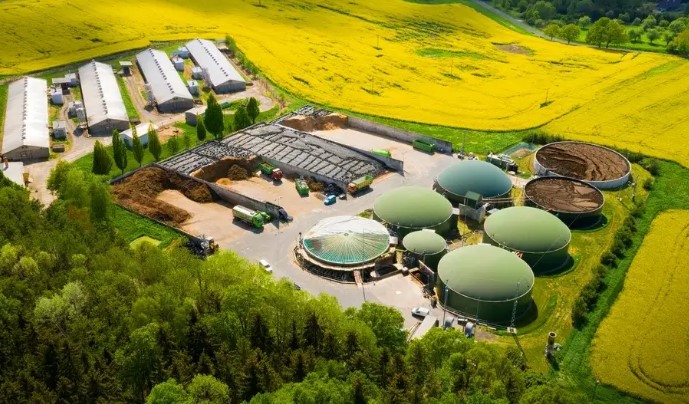
In an era of escalating environmental concerns and the urgent need to transition towards sustainable energy sources, bio natural gas emerges as a promising solution in the realm of renewable energy. Derived from organic materials through anaerobic digestion, bio natural gas, also known as biomethane, presents a revolutionary shift towards eco-friendly fuel alternatives. This article delves into the concept of bio natural gas, its production process, and its pivotal role in the ongoing eco-friendly fuel revolution.
Understanding Bio Natural Gas
1. Origin and Composition: Bio natural gas, or biomethane, is a renewable form of natural gas produced through the anaerobic digestion of organic materials such as agricultural residues, food waste, animal manure, and wastewater sludge. It primarily consists of methane, the principal component of natural gas, along with traces of carbon dioxide and other impurities.
2. Production Process: The production of bio natural gas involves several key stages:
- Feedstock Collection: Organic waste materials are collected from various sources and transported to biogas plants.
- Anaerobic Digestion: Within biogas plants, the organic feedstock undergoes anaerobic digestion, where microorganisms break down the organic matter in the absence of oxygen, producing biogas.
- Gas Purification: The biogas is then purified to remove impurities such as carbon dioxide, hydrogen sulfide, and moisture, resulting in biomethane with high purity levels.
- Upgrading: In some cases, biomethane may undergo further upgrading processes to meet specific quality standards, such as injection into the natural gas grid or use as a transportation fuel.
3. Applications: Bio natural gas can be utilized across various sectors for energy generation and fuel purposes:
- Electricity Generation: Biomethane can be used to generate electricity through combined heat and power (CHP) plants or gas-fired turbines.
- Heating and Cooling: Biomethane can serve as a heating fuel for residential, commercial, and industrial applications, replacing conventional natural gas.
- Transportation: Biomethane can be used as a renewable fuel for vehicles, either directly as compressed natural gas (CNG) or liquefied natural gas (LNG), or after further upgrading to renewable hydrogen.

Advantages of Bio Natural Gas
- 1. Renewable and Sustainable: Bio natural gas is derived from organic waste materials, making it a renewable and sustainable energy source that helps reduce dependence on fossil fuels.
- 2. Eco-Friendly: The production and utilization of bio natural gas result in lower greenhouse gas emissions compared to conventional fossil fuels, contributing to environmental sustainability and climate change mitigation.
- 3. Waste Management: Bio natural gas production facilitates the efficient management and utilization of organic waste materials, thereby reducing environmental pollution and landfill usage.
- 4. Energy Security: By diversifying the energy mix and promoting domestic production, bio natural gas enhances energy security and resilience against supply disruptions.
Conclusion
Bio natural gas represents a significant advancement in the quest for eco-friendly and sustainable fuel alternatives. Its production from organic waste materials offers a dual benefit of waste management and renewable energy generation.
 Manufacturer of biogas analyzer, landfill gas analyzer and extraction monitor, anaerobic digester gas analyzer