
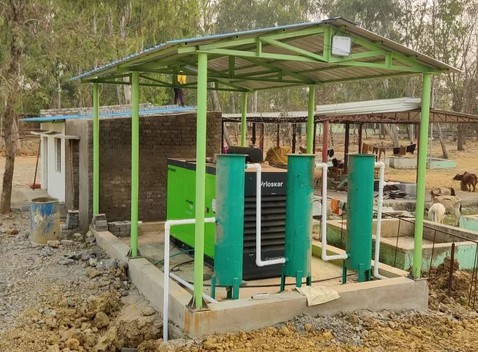
In the pursuit of sustainable energy solutions, the concept of harnessing biogas from waste has emerged as a beacon of hope. This article delves into the transformative potential of biogas production from waste materials, exploring its benefits, challenges, and role in shaping a more sustainable future.
1. The Promise of Biogas:
– Biogas, a renewable energy source, is produced through the anaerobic digestion of organic materials such as agricultural residues, food waste, animal manure, and sewage. This natural process involves the breakdown of organic matter by microorganisms in the absence of oxygen, resulting in the release of biogas—a mixture primarily composed of methane and carbon dioxide.
2. Waste as a Resource:
– Waste materials, once considered a burden on the environment, are now recognized as valuable resources for energy production. Biogas production from waste not only diverts organic materials from landfills but also provides a sustainable alternative to fossil fuels, reducing greenhouse gas emissions and mitigating environmental pollution.
3. The Anaerobic Digestion Process:
– Central to biogas production is the anaerobic digestion process, which occurs within anaerobic digesters or biogas plants. During digestion, organic materials are broken down by a consortium of microorganisms, including bacteria and archaea, resulting in the production of biogas. The process is highly efficient and can accommodate a wide range of feedstocks, making it a versatile and scalable technology.
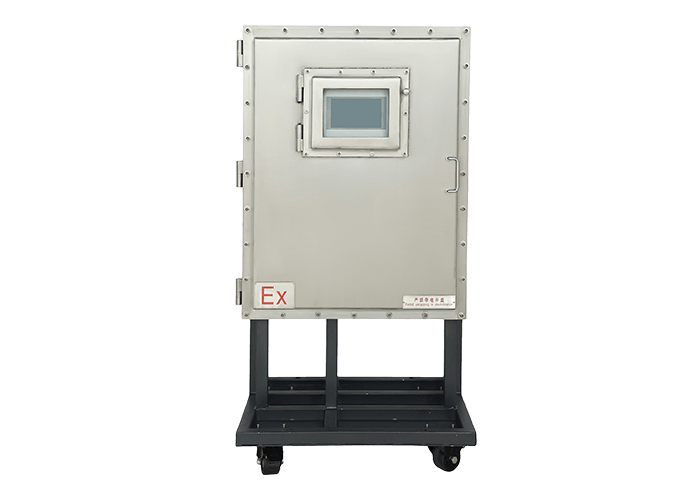
During the biogas production process, a biogas analyzer is needed to monitor the composition of the biogas. For example, the OLGA2000 biogas online monitoring system uses advanced photoelectric sensing principles to detect and analyze methane (CH4), oxygen (O2), carbon dioxide (CO2), hydrogen sulfide (H2S) and other gases.
4. Environmental and Economic Benefits:
- – Biogas production from waste offers a myriad of environmental and economic benefits:
- – Greenhouse Gas Reduction: By capturing methane emissions from decomposing organic matter, biogas production mitigates greenhouse gas emissions and contributes to climate change mitigation efforts.
- – Resource Recovery: Anaerobic digestion allows for the recovery of energy and nutrients from waste materials, closing the loop on resource utilization and promoting a circular economy.
- – Energy Independence: Biogas production provides a decentralized and reliable source of energy, reducing dependence on imported fossil fuels and enhancing energy security.
5. Challenges and Solutions:
– Despite its many advantages, biogas production from waste faces several challenges, including feedstock availability, technological barriers, and economic viability. However, ongoing research, technological advancements, and supportive policies are addressing these challenges and driving innovation in the sector.
6. Applications of Biogas:
- – Biogas can be utilized in a variety of applications, including:
- – Electricity Generation: Biogas can be used to generate electricity through combustion in gas turbines, engines, or fuel cells.
- – Heat Production: Biogas can be combusted to produce heat for residential, commercial, and industrial applications, including space heating and water heating.
- – Vehicle Fuel: Biogas can be upgraded to biomethane and used as a renewable fuel for transportation, reducing reliance on fossil fuels and lowering emissions.
7. Community and Household Biogas Systems:
– In addition to large-scale biogas plants, community and household-level biogas systems are gaining popularity, particularly in rural and decentralized settings. These systems offer a decentralized solution for waste management and energy production, empowering communities and households to become self-sufficient in energy.
8. Conclusion:
– Biogas production from waste holds immense potential as a sustainable and renewable energy solution. By harnessing the natural processes of anaerobic digestion, we can turn waste into wealth, reduce environmental pollution, and contribute to a more sustainable future. As we continue to innovate and invest in biogas technology, we can unlock the full potential of nature’s bounty and pave the way for a cleaner, greener, and more resilient world.
 Manufacturer of biogas analyzer, landfill gas analyzer and extraction monitor, anaerobic digester gas analyzer