
In the global pursuit of sustainable living and renewable energy sources, the concept of turning waste into wealth has gained significant traction. One remarkable example of this paradigm shift is the harnessing of biogas from kitchen waste. This article delves into the innovative practice of transforming kitchen waste into a valuable energy resource through the process of anaerobic digestion, exploring its benefits, challenges, and potential for widespread adoption.
1. The Problem of Food Waste:
– Food waste is a pervasive issue worldwide, with significant environmental, economic, and social implications. According to the Food and Agriculture Organization (FAO), approximately one-third of all food produced for human consumption is lost or wasted each year. Kitchen waste, comprising vegetable scraps, fruit peels, leftover food, and other organic materials, constitutes a substantial portion of this waste stream.
2. Anaerobic Digestion:
– Anaerobic digestion is a natural biological process in which microorganisms break down organic matter in the absence of oxygen, producing biogas as a byproduct. This process occurs in anaerobic digesters, sealed containers or systems designed to facilitate the decomposition of organic materials. In the context of kitchen waste, anaerobic digestion offers a sustainable solution for diverting organic waste from landfills while simultaneously generating renewable energy.
3. The Biogas Production Process:
– When kitchen waste undergoes anaerobic digestion, it releases biogas—a mixture of methane, carbon dioxide, and small amounts of other gases—as a result of microbial activity. The biogas can then be captured, stored, and utilized as a clean and renewable energy source. Additionally, the residual material from the digestion process, known as digestate, can be utilized as nutrient-rich fertilizer for soil enrichment.
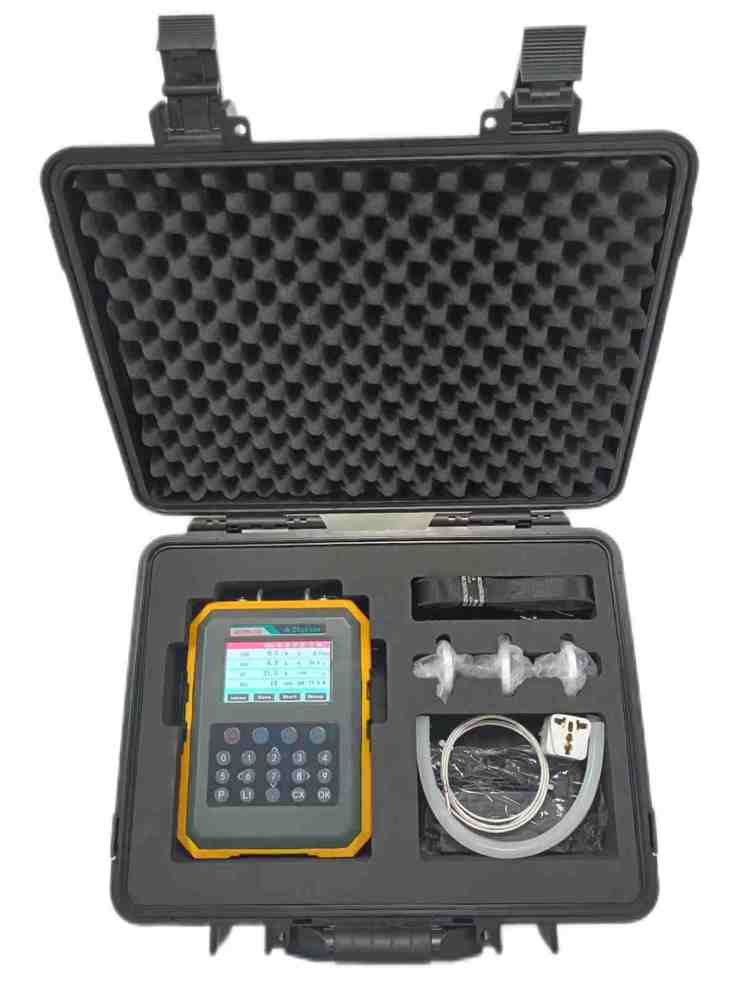
During the biogas production process, a biogas analyzer is needed to monitor the composition of the biogas. Such as the GASCHEK1000 portable biogas analyzer, use advanced photoelectric sensing principles to detect and analyze methane (CH4), oxygen (O2), carbon dioxide (CO2), hydrogen sulfide (H2S) and other gases, and accurately report , while effectively checking the digestive process.
4. Benefits of Biogas from Kitchen Waste:
- – Renewable Energy Generation: Biogas derived from kitchen waste serves as a renewable alternative to fossil fuels, contributing to reductions in greenhouse gas emissions and reliance on non-renewable energy sources.
- – Waste Reduction: By diverting kitchen waste from landfills, biogas production helps alleviate the burden on waste management systems and reduces environmental pollution.
- – Energy Independence: Biogas production at the household level promotes energy self-sufficiency and resilience, particularly in rural or off-grid communities.
- – Nutrient Recycling: The utilization of digestate as fertilizer closes the nutrient loop, enhancing soil fertility and promoting sustainable agricultural practices.

5. Challenges and Considerations:
- – While the concept of harnessing biogas from kitchen waste holds immense promise, several challenges must be addressed for widespread adoption:
- – Technological Complexity: Implementing anaerobic digestion systems requires technical expertise and infrastructure, which may pose barriers for some households or communities.
- – Feedstock Availability: Ensuring a consistent and sufficient supply of kitchen waste for biogas production is essential for optimal system performance.
- – Odor Management: Proper management of odors and potential nuisances associated with anaerobic digestion systems is crucial to ensure community acceptance and compliance.
Conclusion:
– Harnessing biogas from kitchen waste represents a tangible and impactful solution to the dual challenges of waste management and energy generation. By converting organic waste into a valuable renewable energy resource, households and communities can reduce their environmental footprint, promote energy independence, and contribute to a more sustainable future. With continued innovation, investment, and public engagement, biogas from kitchen waste has the potential to play a significant role in the transition to a circular economy and a greener, more resilient society.
 Manufacturer of biogas analyzer, landfill gas analyzer and extraction monitor, anaerobic digester gas analyzer