
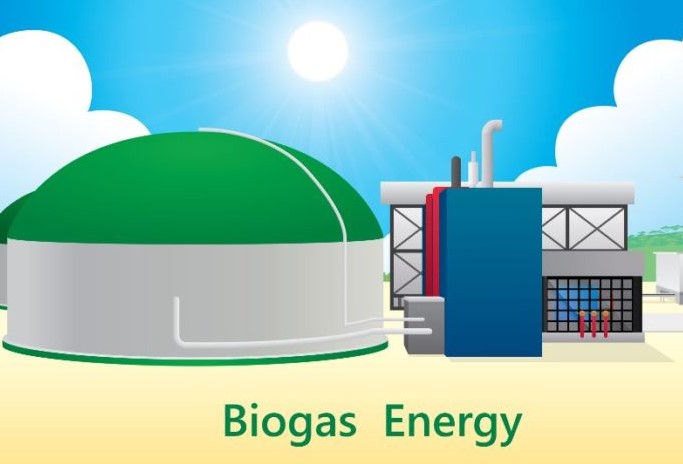
In the dynamic landscape of renewable energy, portable bio gas plants emerge as a promising solution, offering sustainable energy wherever it’s needed. These innovative systems harness the power of anaerobic digestion to convert organic waste into biogas, providing a mobile and eco-friendly energy source. This article explores the potential of portable bio gas plants in unlocking sustainable energy on the go.
1. Mobilizing Renewable Energy:
– Portable bio gas plants epitomize the convergence of mobility and sustainability. Designed for easy transportation and deployment, these compact systems enable the generation of renewable energy in diverse locations, from remote rural areas to off-grid communities and mobile operations.
2. Compact and Flexible Design:
– The hallmark of portable bio gas plants lies in their compact and adaptable design. Housed in modular units or portable containers, these systems are engineered for versatility, allowing them to be quickly assembled and tailored to varying feed-stocks and applications.
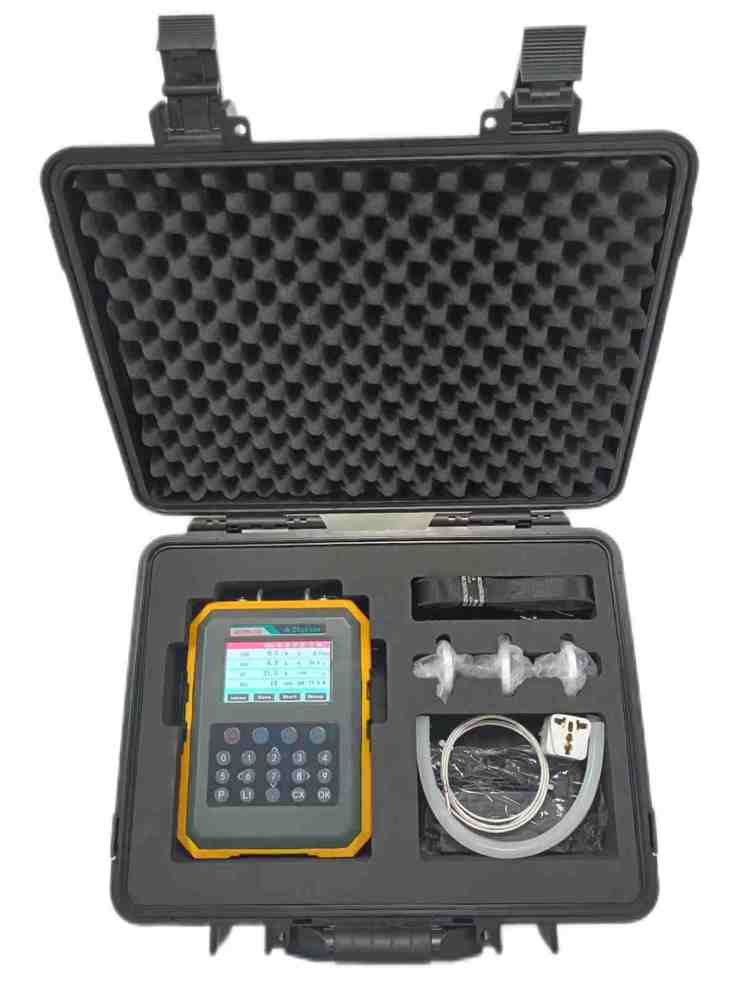
Portable biogas plants usually require monitoring equipment, such as the GASCHEK1000 portable biogas analyzer, which uses advanced photoelectric sensing principles to detect and analyze methane (CH4), oxygen (O2), carbon dioxide (CO2), hydrogen sulfide (H2S) and other gases, and Accurate reporting while effectively checking the digestive process.
3. Waste-to-Energy Conversion:
– Like their stationary counterparts, portable bio gas plants utilize anaerobic digestion to convert organic waste into biogas. By processing agricultural residues, food scraps, and other biomass materials, these plants not only generate renewable energy but also mitigate organic waste disposal challenges.
4. Off-Grid Energy Solutions:
– Portable bio gas plants offer off-grid communities a sustainable alternative to traditional energy sources. Whether providing power for cooking, lighting, heating, or small-scale machinery, these systems empower communities to meet their energy needs independently and sustainably.
5. Disaster Relief and Humanitarian Aid:
– In disaster-prone regions or humanitarian crises, access to clean energy is paramount. Portable bio gas plants can be swiftly deployed to provide renewable energy solutions for emergency response efforts, enhancing resilience and improving living conditions in affected communities.
6. Educational and Awareness-Building:
– Beyond their practical applications, portable bio gas plants serve as educational tools for raising awareness about renewable energy and waste management. By facilitating hands-on learning experiences, these systems promote environmental literacy and inspire sustainable practices.

Conclusion:
Portable bio gas plants represent a versatile and impactful solution for unlocking sustainable energy on the go. Whether supporting rural electrification, disaster relief efforts, or mobile operations, these innovative systems offer a pathway to a cleaner and more resilient energy future. By harnessing the power of bio gas in a portable form, we can extend the benefits of renewable energy to communities worldwide, driving progress towards a more sustainable and inclusive society.
 Manufacturer of biogas analyzer, landfill gas analyzer and extraction monitor, anaerobic digester gas analyzer