

In the realm of sustainable energy solutions, biogas emerges as a versatile player with myriad applications. Derived from the anaerobic digestion of organic matter, biogas predominantly comprises methane and carbon dioxide. However, it is not just its composition that makes biogas attractive; it’s the variety of purposes it serves. This article delves into the triad of biogas utilization, exploring three primary uses that unlock its potential and contribute to a more sustainable future.
1. Electricity Generation:
One of the most prominent applications of biogas is in electricity generation. Biogas can be combusted in engines or turbines to produce electricity. This process, known as cogeneration or combined heat and power (CHP), is highly efficient, as it simultaneously generates both electricity and heat. CHP systems are widely employed in biogas power plants, where the generated electricity can be supplied to the grid or used on-site to power facilities such as farms, wastewater treatment plants, or industrial complexes. By harnessing biogas for electricity generation, communities can reduce their reliance on fossil fuels and lower their carbon footprint.
2. Heat Production:
Beyond electricity generation, biogas serves as a valuable source of heat. In applications where thermal energy is required, such as space heating, water heating, or industrial processes, biogas can be utilized directly. Combined with efficient boilers or heat ex-changers, biogas-powered heating systems provide a renewable and sustainable alternative to traditional fossil fuel-based heating solutions. Moreover, by integrating biogas-based heating systems into district heating networks, communities can achieve greater energy efficiency and reduce overall energy costs.
3. Vehicle Fuel:
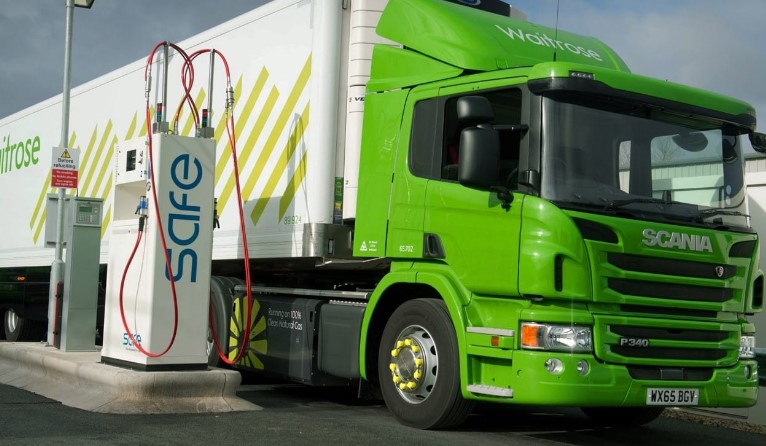
Another promising avenue for biogas utilization is as a vehicle fuel. With advancements in biogas purification and upgrading technologies, biogas can be refined to meet transportation fuel standards. Bio-methane, the purified form of biogas, can be compressed or liquefied for use in compressed natural gas (CNG) or liquefied natural gas (LNG) vehicles, respectively. Biogas-derived vehicle fuels offer a renewable and low-carbon alternative to conventional fossil fuels, significantly reducing greenhouse gas emissions and mitigating air pollution. Biogas-powered vehicles are already in operation in various sectors, including public transportation, waste management, and commercial fleets, demonstrating the viability and environmental benefits of biogas as a transportation fuel.
Conclusion:
The three uses of biogas represents a multifaceted approach to sustainable energy production. By unlocking the potential of biogas for electricity generation, heat production, and vehicle fuel, communities can realize numerous environmental, economic, and social benefits. From reducing greenhouse gas emissions and improving air quality to enhancing energy security and fostering rural development, biogas offers a holistic solution to the challenges of climate change and energy transition.
 Manufacturer of biogas analyzer, landfill gas analyzer and extraction monitor, anaerobic digester gas analyzer