
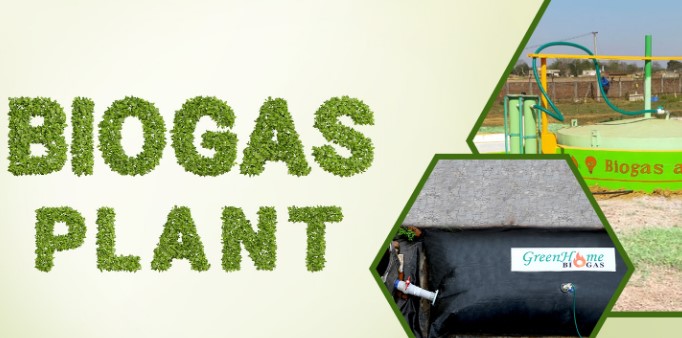
In the quest for sustainable energy solutions, one innovative approach has gained significant traction: biogas production from organic waste. Biogas, a versatile and renewable energy source primarily composed of methane and carbon dioxide, is derived from the anaerobic digestion of organic materials such as agricultural residues, animal manure, food scraps, and sewage sludge. This article aims to explore the science behind biogas making, shedding light on the biological and chemical processes involved, and highlighting the potential of this technology in addressing energy challenges while mitigating environmental impacts.
1. The Anaerobic Digestion Process:
At the heart of biogas production lies the anaerobic digestion process. Anaerobic digestion occurs in the absence of oxygen and involves a complex series of biochemical reactions orchestrated by a diverse microbial community. This microbial consortium breaks down complex organic compounds into simpler molecules, releasing biogas as a byproduct.
After biogas is generated, monitoring equipment is usually required, such as the GASCHEK1000 portable biogas analyzer, which uses advanced photoelectric sensing principles to detect and analyze gases such as methane (CH4), oxygen (O2), carbon dioxide (CO2), and hydrogen sulfide (H2S). and report accurately while effectively checking the digestive process.

2. Microbial Activity:
Various groups of microorganisms play key roles in anaerobic digestion. Acidogens, such as bacteria and archaea, hydrolyze complex organic matter into simpler compounds like fatty acids and sugars. Acetogens then convert these compounds into acetate, hydrogen, and carbon dioxide. Finally, methanogens, which are responsible for methane production, metabolize acetate, hydrogen, and carbon dioxide to produce methane.
3. Environmental Factors:
Several environmental factors influence the efficiency of the anaerobic digestion process. Temperature, pH, substrate composition, and retention time are critical parameters that affect microbial activity and biogas yield. Optimal conditions typically range from 25 to 40°C (77 to 104°F) and a pH of 6.5 to 7.5, although specific requirements may vary depending on the microbial community and feed-stock characteristics.
4. feed-stock Selection:
The success of biogas production hinges on the selection of appropriate feed-stock. Common feed-stocks include agricultural residues (e.g., crop residues, manure), organic wastes (e.g., food scraps, sewage sludge), and dedicated energy crops (e.g., maize, sorghum). The composition and characteristics of the feed-stock influence biogas yield, with high-carbon materials typically producing more methane-rich biogas.
5. Reactor Types:
- Biogas production occurs within specialized reactors designed to optimize anaerobic digestion. Common reactor types include:
- Continuous Stirred-Tank Reactors (CSTRs): Maintain a constant flow of substrate and effluent, suitable for large-scale operations.
- Anaerobic Lagoons: Open-air systems where digestion occurs in shallow ponds, commonly used for animal waste treatment.
- Plug Flow Reactors: Allow for the sequential flow of substrate through the reactor, ideal for processing high-solid content feed-stocks.
6. Biogas Composition and Upgrading:
The composition of biogas typically consists of methane (50-70%), carbon dioxide (30-50%), and trace amounts of other gases such as hydrogen sulfide and ammonia. Before utilization, biogas undergoes upgrading processes to remove impurities and increase methane content. Techniques such as pressure swing adsorption (PSA), water scrubbing, and membrane separation are commonly employed for biogas upgrading.

7. Utilization and Applications:
Biogas has diverse applications across various sectors:
- Electricity Generation: Combustion of biogas in engines or turbines for on-site power generation or grid injection.
- Heat Production: Utilization of biogas for heating applications in industries, residential buildings, and greenhouse operations.
- Transportation: Conversion of biogas into bio-methane for use as a vehicle fuel, particularly in compressed natural gas (CNG) vehicles.
8. Environmental and Socioeconomic Benefits:
Biogas production offers a range of environmental and socioeconomic benefits, including:
- Greenhouse Gas Mitigation: By capturing methane emissions from organic waste, biogas production helps mitigate greenhouse gas emissions and reduce the carbon footprint.
- Waste Management: Provides an environmentally sustainable solution for managing organic waste, diverting it from landfills and reducing odor and pollution.
- Energy Independence: Enhances energy security and resilience by providing a decentralized and renewable energy source, particularly in rural and off-grid areas.
From waste to energy, biogas production represents a promising pathway towards a more sustainable and resilient energy future. By harnessing the natural processes of anaerobic digestion, this technology offers a renewable alternative to fossil fuels while addressing waste management challenges and environmental concerns.
 Manufacturer of biogas analyzer, landfill gas analyzer and extraction monitor, anaerobic digester gas analyzer