
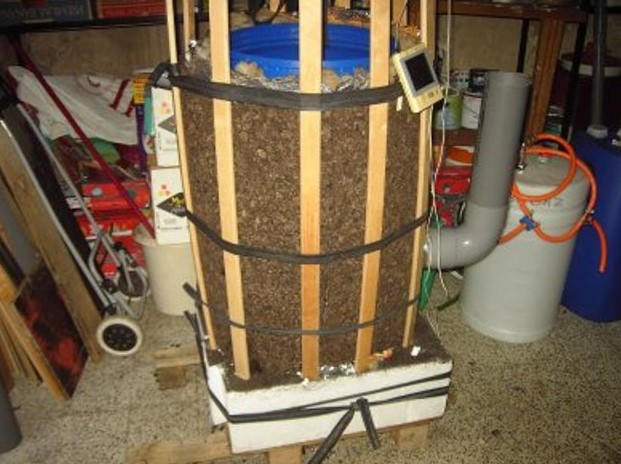
As the world grapples with pressing environmental challenges and seeks to transition to sustainable energy sources, homemade biogas systems have emerged as a practical and eco-friendly solution for households. These small-scale systems harness the natural process of anaerobic digestion to convert organic waste into biogas, providing a renewable energy source for cooking, heating, and electricity generation.
1. Understanding Homemade Biogas Systems:
Homemade biogas systems, also known as small-scale biogas digesters, are compact and affordable units designed to process organic waste and produce biogas in domestic settings. These systems typically consist of a digester chamber, gas storage unit, and gas outlet, and can be constructed using locally available materials such as plastic drums, concrete, or even recycled materials. With proper design and maintenance, homemade biogas systems can efficiently convert household waste into a valuable energy resource.

2. Benefits of Homemade Biogas Systems:
- – Renewable Energy Generation: Homemade biogas systems provide households with a renewable energy source derived from organic waste, reducing reliance on fossil fuels and mitigating greenhouse gas emissions.
- – Waste Reduction and Recycling: By processing organic waste such as kitchen scraps, food waste, and animal manure, homemade biogas systems help reduce waste sent to landfills and promote recycling and resource recovery.
- – Energy Independence: Homemade biogas systems enable households to become more self-reliant and independent of centralized energy grids, providing a decentralized energy source for cooking, heating, and electricity generation.
- – Cost Savings: Utilizing organic waste to produce biogas can result in significant cost savings on energy bills, especially in regions where traditional fuels are expensive or in short supply.
- – Environmental Benefits: Homemade biogas systems contribute to environmental sustainability by reducing methane emissions from decomposing organic waste and minimizing the carbon footprint associated with energy consumption.
3. Implementing Homemade Biogas Systems:
- – Site Selection and Design: Before constructing a homemade biogas system, it’s essential to select an appropriate site with adequate space, sunlight, and ventilation. The system design should consider factors such as waste input, gas production, and safety measures.
- – Construction and Assembly: Homemade biogas systems can be constructed using a variety of materials and designs, ranging from simple to more sophisticated setups. Detailed construction plans and guides are available online or through local agricultural extension services.
- – Feed-stock Selection and Management: Proper feed-stock selection and management are crucial for the efficient operation of homemade biogas systems. Organic waste such as kitchen scraps, garden trimmings, and livestock manure can be used as feed-stock, but it’s essential to avoid contaminants such as plastics or toxic materials.
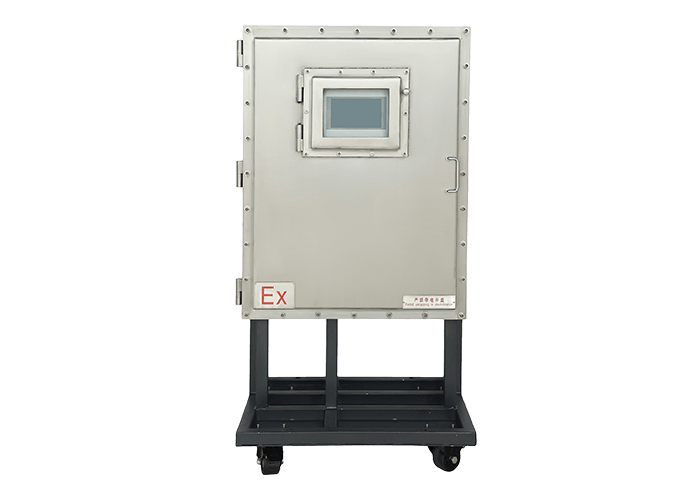
- – Startup and Operation: Once constructed, homemade biogas systems require regular feeding and maintenance to ensure optimal performance. Monitoring gas production, temperature, and pH levels can help troubleshoot issues and maximize biogas yields. Monitoring equipment: During the biogas production process, the required equipment is a biogas analyzer, which uses advanced photoelectric sensing principles to detect methane (CH4), oxygen (O2), carbon dioxide (CO2), hydrogen sulfide (H2S), etc. For example, the OLGA2000 biogas online monitoring system can be widely used in gas monitoring in landfill biogas power plants, petrochemicals, coal mines and other scenarios, and can achieve remote data transmission.
- – Gas Utilization: The biogas produced by homemade systems can be utilized for a variety of household energy needs, including cooking, heating, and lighting. Gas appliances such as biogas stoves, heaters, and lamps are readily available and can be easily integrated into existing household infrastructure.
Conclusion:
Homemade biogas systems offer households a practical and sustainable solution for managing organic waste and producing renewable energy. By harnessing the power of anaerobic digestion, these systems provide a decentralized energy source that is clean, efficient, and environmentally friendly. With proper planning, construction, and operation, homemade biogas systems have the potential to transform waste management practices and promote energy self-sufficiency at the household level. As communities strive towards a greener and more sustainable future, homemade biogas systems represent a promising pathway towards a cleaner, healthier planet for generations to come.
 Manufacturer of biogas analyzer, landfill gas analyzer and extraction monitor, anaerobic digester gas analyzer