
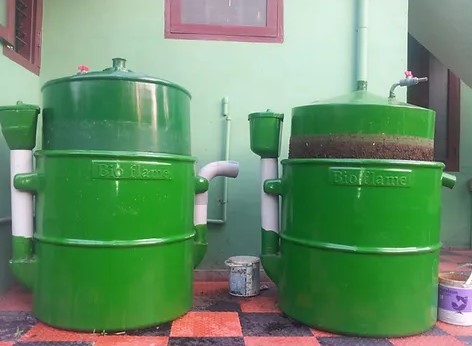
In the global pursuit of sustainable energy sources, portable biogas solutions have emerged as a versatile and eco-friendly option for generating energy while on the move. These compact systems harness the power of anaerobic digestion to convert organic waste into biogas, offering a convenient and renewable energy source for a variety of applications. In this article, we explore the benefits, applications, and potential of portable biogas systems as a sustainable energy solution.
1. Portable Biogas Systems: A Brief Overview
Portable biogas systems are compact, self-contained units designed to facilitate the anaerobic digestion process in a small scale and portable format. These systems typically consist of a digester chamber, gas storage unit, and gas outlet for easy access to biogas. Unlike traditional large scale biogas plants, portable systems are designed to be lightweight, easy to transport, and suitable for temporary or mobile use.
2. Benefits of Portable Biogas Solutions
- Renewable Energy Source: Portable biogas systems utilize organic waste, such as food scraps, agricultural residues, or animal manure, to produce biogas, a renewable energy source rich in methane. By harnessing natural processes, these systems provide a sustainable alternative to fossil fuels.
- Versatility and Flexibility: The portable nature of biogas systems makes them suitable for a wide range of applications and environments. Whether deployed in remote rural areas, urban settings, or outdoor events, portable biogas solutions offer flexibility in energy generation.
- Waste Management: By converting organic waste into biogas, portable biogas systems contribute to waste reduction and environmental sustainability. They help divert organic waste from landfills or incineration, reducing greenhouse gas emissions and mitigating environmental pollution.
- Energy Independence: Portable biogas solutions provide a decentralized energy source, enabling communities and individuals to become more self-reliant and independent of centralized energy grids. This is particularly beneficial in remote or off-grid locations with limited access to electricity.
- Cost-Effectiveness: Compared to traditional fuel sources, biogas production from organic waste can be cost-effective, especially in areas where feed-stock is readily available. Portable biogas systems offer a low cost and sustainable energy solution for diverse applications.
3. Applications of Portable Biogas Systems
- Off-Grid Power Generation: Portable biogas systems can be used to generate electricity in off-grid or remote areas where access to the grid is limited. They provide a reliable and renewable energy source for lighting, charging electronic devices, or powering small appliances.
- Cooking and Heating: Biogas produced by portable systems can be used for cooking, heating, or water heating purposes. Portable biogas stoves or heaters offer a clean and efficient alternative to traditional biomass or fossil fuel-based cooking methods.
- Agricultural and Farming Operations: Portable biogas systems can benefit agricultural and farming operations by utilizing farm waste, such as crop residues or animal manure, to produce biogas. This renewable energy source can power farm equipment, irrigation pumps, or heating systems.
- Outdoor Events and Recreational Activities: Portable biogas solutions are ideal for outdoor events, camping trips, or recreational activities where access to electricity or traditional fuel sources may be limited. They provide a sustainable and eco-friendly energy option for powering lighting, cooking, or heating equipment.
4. Considerations for Deploying Portable Biogas Systems
- Feed-stock Availability: The availability and type of organic waste or biomass feed-stock play a crucial role in the feasibility of portable biogas systems. It’s important to assess local feed-stock resources and logistics before deploying a portable biogas solution.
- System Size and Capacity: The size and capacity of portable biogas systems should be tailored to the specific energy needs and applications. Considerations such as gas production rates, storage capacity, and space constraints should be taken into account.
- Maintenance and Operation: Proper maintenance and operation are essential for the efficient performance of portable biogas systems. Users should be trained in system operation, safety protocols, and routine maintenance tasks to ensure optimal performance and longevity.
- Environmental Impact: While portable biogas systems offer environmental benefits, it’s important to consider their environmental impact in terms of greenhouse gas emissions, land use, and waste management. Sustainable practices should be followed to minimize environmental footprint and maximize resource efficiency.
Portable biogas solutions represent a promising and sustainable energy option for a wide range of applications. By harnessing the power of organic waste, these compact systems provide a renewable source of energy that is clean, versatile, and environmentally friendly.
 Manufacturer of biogas analyzer, landfill gas analyzer and extraction monitor, anaerobic digester gas analyzer