
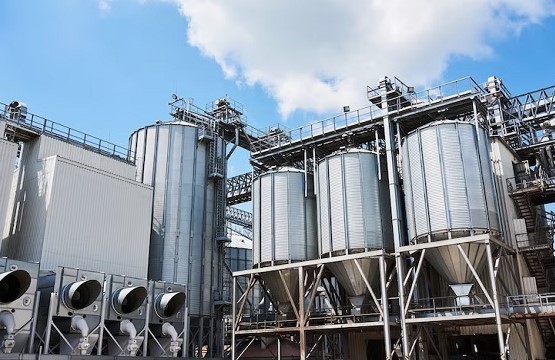
As the world increasingly pivots towards sustainable energy solutions, compressed biogas (CBG) has emerged as a front-runner in the quest for renewable alternatives. Derived from organic waste through anaerobic digestion, CBG offers a clean, renewable, and versatile energy source with the potential to revolutionize various sectors. However, while the environmental benefits of CBG are evident, the economic viability of compressed biogas plants remains a critical consideration. This article explores strategies for managing compressed biogas plant costs while optimizing sustainability, highlighting key factors, challenges, and opportunities in the pursuit of a greener future.
Understanding Compressed Biogas Plants:
Compressed biogas, often referred to as renewable natural gas (RNG), is biogas that has been purified and compressed to higher pressures. This process enhances its energy density, making it suitable for use as a vehicle fuel, industrial feed-stock, or injection into natural gas grids. Compressed biogas plants play a vital role in the production and distribution of CBG, serving as hubs for processing raw biogas into a usable and marketable product.
Factors Influencing Compressed Biogas Plant Costs:
1. Feed-stock Procurement and Preparation:
The cost and availability of feed-stock, such as agricultural residues, organic waste, or dedicated energy crops, significantly impact plant economics. Efficient procurement and preparation of feed-stock are essential to minimize costs and ensure consistent biogas production.
2. Technology Selection and Infrastructure:
The choice of technology and infrastructure for biogas purification, compression, and storage affects both capital and operational costs. Factors such as equipment efficiency, scalability, and maintenance requirements must be carefully considered to optimize plant economics.
3. Energy Conversion Efficiency:
Maximizing energy conversion efficiency is critical for reducing operational costs and enhancing overall plant profitability. Efficient biogas upgrading and compression technologies, coupled with optimized process design, can yield higher yields of compressed biogas from raw biogas feed-stock.
4. Market Demand and Revenue Streams:
The demand for compressed biogas and the availability of revenue streams, such as feed-in tariffs, renewable energy credits, or carbon credits, influence the economic viability of biogas projects. Identifying and securing market opportunities can mitigate financial risks and enhance project returns.
Strategies for Cost Optimization:
1. Feed-stock Diversification and Optimization:
Diversifying feed-stock sources and optimizing feed-stock utilization can mitigate supply chain risks and reduce dependency on single feed-stock streams. Efficient preprocessing techniques, such as shredding or sorting, can enhance feed-stock quality and digestibility, improving biogas yields and plant economics.
2. Technology Innovation and Integration:
Embracing technological innovation and integrating advanced process technologies can enhance plant efficiency, reduce energy consumption, and lower operating costs. Innovations in biogas purification, compression, and storage offer opportunities for cost optimization and performance enhancement.
3. Economies of Scale and Collaboration:
Leveraging economies of scale through plant co-location, aggregation, or collaboration can lower capital costs and operational expenses. Shared infrastructure, resources, and expertise among multiple biogas projects can enhance cost competitiveness and financial viability.
4. Life-cycle Cost Analysis and Optimization:
Conducting life-cycle cost analysis enables holistic evaluation and optimization of compressed biogas plant economics. Considering capital expenditures, operational expenses, and revenue streams over the project’s life-cycle allows for informed decision-making and risk management.
5. Policy Support and Financial Incentives:
Advocating for supportive policies, incentives, and financial mechanisms at the local, regional, and national levels can facilitate the development and deployment of compressed biogas projects. Government subsidies, grants, tax incentives, and loan guarantees can help bridge funding gaps and improve project economics.
As the world transitions towards a low-carbon economy, optimizing sustainability while managing costs is paramount for the widespread adoption of compressed biogas as a renewable energy solution.
As the world increasingly pivots towards sustainable energy solutions, compressed biogas (CBG) has emerged as a front-runner in the quest for renewable alternatives. Derived from organic waste through anaerobic digestion, CBG offers a clean, renewable, and versatile energy source with the potential to revolutionize various sectors. However, while the environmental benefits of CBG are evident, the economic viability of compressed biogas plants remains a critical consideration. This article explores strategies for managing compressed biogas plant costs while optimizing sustainability, highlighting key factors, challenges, and opportunities in the pursuit of a greener future.
Understanding Compressed Biogas Plants:
Compressed biogas, often referred to as renewable natural gas (RNG), is biogas that has been purified and compressed to higher pressures. This process enhances its energy density, making it suitable for use as a vehicle fuel, industrial feed-stock, or injection into natural gas grids. Compressed biogas plants play a vital role in the production and distribution of CBG, serving as hubs for processing raw biogas into a usable and marketable product.

Factors Influencing Compressed Biogas Plant Costs:
1. Feed-stock Procurement and Preparation:
The cost and availability of feed-stock, such as agricultural residues, organic waste, or dedicated energy crops, significantly impact plant economics. Efficient procurement and preparation of feed-stock are essential to minimize costs and ensure consistent biogas production.
2. Technology Selection and Infrastructure:
The choice of technology and infrastructure for biogas purification, compression, and storage affects both capital and operational costs. Factors such as equipment efficiency, scalability, and maintenance requirements must be carefully considered to optimize plant economics.
3. Energy Conversion Efficiency:
Maximizing energy conversion efficiency is critical for reducing operational costs and enhancing overall plant profitability. Efficient biogas upgrading and compression technologies, coupled with optimized process design, can yield higher yields of compressed biogas from raw biogas feed-stock.
4. Market Demand and Revenue Streams:
The demand for compressed biogas and the availability of revenue streams, such as feed-in tariffs, renewable energy credits, or carbon credits, influence the economic viability of biogas projects. Identifying and securing market opportunities can mitigate financial risks and enhance project returns.
Strategies for Cost Optimization:
1. Feed-stock Diversification and Optimization:
Diversifying feed-stock sources and optimizing feed-stock utilization can mitigate supply chain risks and reduce dependency on single feed-stock streams. Efficient preprocessing techniques, such as shredding or sorting, can enhance feed-stock quality and digestibility, improving biogas yields and plant economics.
2. Technology Innovation and Integration:
Embracing technological innovation and integrating advanced process technologies can enhance plant efficiency, reduce energy consumption, and lower operating costs. Innovations in biogas purification, compression, and storage offer opportunities for cost optimization and performance enhancement.
3. Economies of Scale and Collaboration:
Leveraging economies of scale through plant co-location, aggregation, or collaboration can lower capital costs and operational expenses. Shared infrastructure, resources, and expertise among multiple biogas projects can enhance cost competitiveness and financial viability.
4. Life-cycle Cost Analysis and Optimization:
Conducting life-cycle cost analysis enables holistic evaluation and optimization of compressed biogas plant economics. Considering capital expenditures, operational expenses, and revenue streams over the project’s life-cycle allows for informed decision-making and risk management.
5. Policy Support and Financial Incentives:
Advocating for supportive policies, incentives, and financial mechanisms at the local, regional, and national levels can facilitate the development and deployment of compressed biogas projects. Government subsidies, grants, tax incentives, and loan guarantees can help bridge funding gaps and improve project economics.
As the world transitions towards a low-carbon economy, optimizing sustainability while managing costs is paramount for the widespread adoption of compressed biogas as a renewable energy solution.
 Manufacturer of biogas analyzer, landfill gas analyzer and extraction monitor, anaerobic digester gas analyzer