
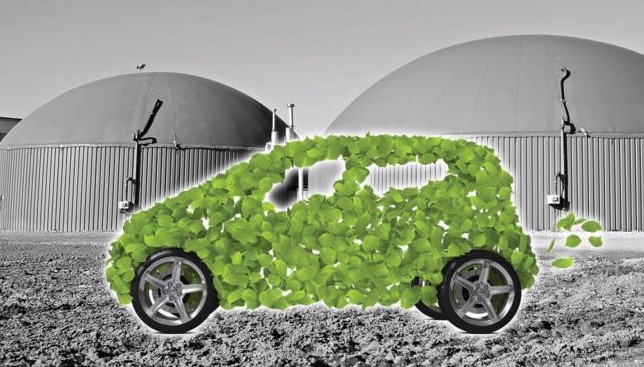
In the quest for sustainable energy solutions, biogas plants stand out as versatile and environmentally friendly systems. These plants leverage the natural process of anaerobic digestion to convert organic materials into biogas, a renewable energy source primarily composed of methane. This article takes a comprehensive look at the technology behind biogas plants, exploring their components, processes, applications, and the role they play in shaping a sustainable energy landscape.
1. Anaerobic Digestion Process:
– At the heart of a biogas plant is the anaerobic digestion process. This biological process occurs in the absence of oxygen and involves the breakdown of organic materials by microorganisms. This decomposition results in the production of biogas, which consists mainly of methane and carbon dioxide.
2. Feedstock Selection:
– The success of a biogas plant depends on the selection of appropriate feedstock. Common sources include agricultural residues, manure, food waste, and organic industrial waste. The composition of the feedstock impacts the quality and quantity of biogas produced.
3. Biogas Digester Designs:
Biogas digesters come in various designs, each tailored to specific needs and conditions. Common designs include:
Fixed Dome Digesters: Airtight, dome-shaped structures that use gas pressure to store and collect biogas.
Floating Drum Digesters: Utilize a floating drum to separate biogas from the digesting slurry.
Plug-Flow Digesters: Designed for continuous feeding, allowing for a steady output of biogas.
4. Monitoring equipment:
Biogas analyzer, which uses advanced photoelectric sensing principles to detect methane (CH4), oxygen (O2), carbon dioxide (CO2), hydrogen sulfide (H2S), etc. For example, the OLGA2000 biogas online monitoring system can be widely used in gas monitoring in landfill biogas power plants, petrochemical industries, coal mines and other scenarios, and can achieve remote data transmission.

5. Gas Storage and Utilization:
– Biogas generated in the digester is stored for later use. This storage can be in the form of simple gas bags, fixed storage tanks, or other systems depending on the scale of the plant. The biogas can be utilized for various applications, including:
– Electricity Generation: Through engines or turbines.
– Cooking and Heating: In households or industrial settings.
– Vehicle Fuel: After upgrading to biomethane quality.
6. Gas Upgrading Technologies:
– The raw biogas produced may contain impurities such as carbon dioxide, hydrogen sulfide, and moisture. Gas upgrading technologies, including pressure swing adsorption (PSA) and water scrubbing, refine the biogas to biomethane quality. This high-purity gas enhances its usability in broader applications, such as injecting into natural gas grids.
7. Combined Heat and Power (CHP) Systems:
– Many biogas plants incorporate CHP systems, also known as cogeneration. These systems simultaneously produce electricity and useful heat, maximizing overall energy efficiency. CHP is particularly advantageous in applications where both electricity and heat are needed, such as in industrial processes or district heating.
8. Decentralized and Community-Scale Plants:
– The adaptability of biogas plant technology allows for decentralized and community-scale installations. These smaller-scale plants cater to local energy needs, promoting energy independence and community resilience. They are particularly effective in areas with abundant organic waste resources.
9. Environmental Benefits:
– Biogas plant technology contributes significantly to environmental sustainability. By capturing methane emissions from organic waste and converting them into a useful energy source, biogas plants mitigate greenhouse gas emissions, reduce reliance on fossil fuels, and contribute to a circular economy.
Conclusion: The Path to a Sustainable Future
Biogas plant technology represents a tangible pathway to a more sustainable and cleaner energy future. By tapping into the natural processes of anaerobic digestion, these plants not only produce renewable energy but also address waste management challenges. As technology advances and awareness grows, biogas plants are positioned to play a pivotal role in diversifying our energy sources, reducing environmental impact, and fostering resilient and sustainable communities.
 Manufacturer of biogas analyzer, landfill gas analyzer and extraction monitor, anaerobic digester gas analyzer