
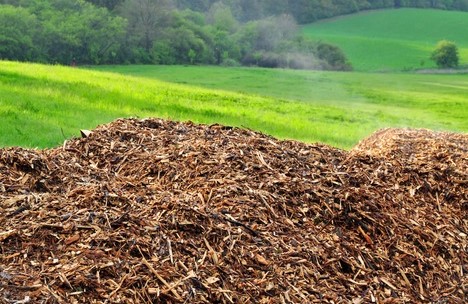
In the global quest for sustainable and renewable energy sources, biogas production from waste biomass emerges as a revolutionary solution. This innovative process not only addresses the challenge of waste management but also transforms organic residues into a valuable energy resource. In this article, we delve into the mechanics of biogas production from waste biomass, exploring its environmental benefits, technological advancements, and its pivotal role in the energy revolution.
1. The Biogas Revolution Begins:
Biogas, a combustible gas composed primarily of methane, is generated through the anaerobic digestion of organic materials. Waste biomass, which includes agricultural residues, food waste, sewage sludge, and other organic byproducts, serves as the raw material for this revolutionary process. Unlike traditional waste disposal methods, biogas production not only reduces the environmental impact of organic waste but also transforms it into a valuable source of clean energy.
2. Environmental Benefits:
Mitigating Greenhouse Gas Emissions:
– The anaerobic digestion process that produces biogas prevents the release of methane, a potent greenhouse gas, into the atmosphere. Instead of contributing to climate change, waste biomass is harnessed to produce a renewable and low-carbon energy source.
Waste Management:
– Biogas production provides an effective waste management solution by diverting organic materials from landfills. Landfill disposal contributes to methane emissions and poses environmental challenges. Biogas plants offer an eco-friendly alternative, converting waste into a resource.
3. Technological Advancements:
Advanced Anaerobic Digesters:
– Modern anaerobic digesters come in various designs, each optimized for specific types of waste biomass. High-efficiency digesters ensure optimal conditions for microorganisms to break down organic matter, maximizing biogas production.
Gas Upgrading Technologies:
– Innovations in gas upgrading enhance the quality of biogas by removing impurities such as carbon dioxide and hydrogen sulfide. This purified biogas, often referred to as biomethane, can be directly injected into natural gas grids or used as a cleaner fuel.
Smart Monitoring Systems:
– The integration of smart monitoring systems allows real-time tracking of key parameters in biogas plants. Operators can remotely monitor and adjust conditions, ensuring the efficient functioning of the system and maximizing energy output.
4. From Biomass to Biogas: The Production Process:
Feedstock Collection:
– Various types of waste biomass, including agricultural residues, food waste, and organic byproducts, are collected and transported to biogas plants.
Anaerobic Digestion:
– In anaerobic digesters, microorganisms break down the organic matter in the absence of oxygen, producing biogas as a byproduct.
Biogas monitoring:
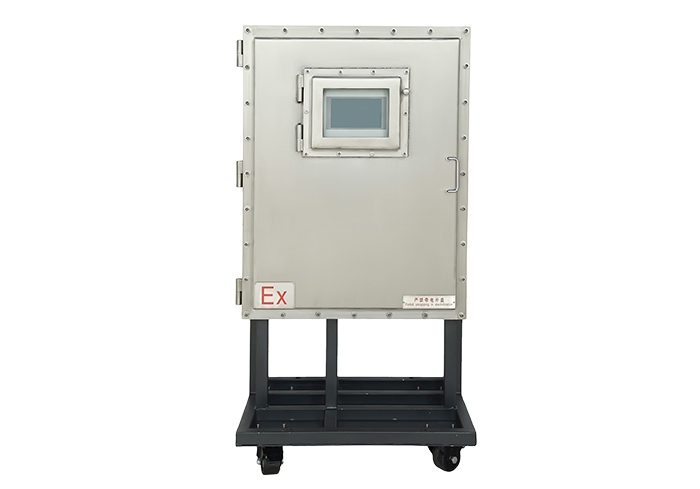
During the biogas production process, the required equipment is a biogas analyzer, which uses advanced photoelectric sensing principles to detect methane (CH4), oxygen (O2), carbon dioxide (CO2), hydrogen sulfide (H2S), etc. For example, the OLGA2000 biogas online monitoring system can be widely used in gas monitoring in landfill biogas power plants, petrochemicals, coal mines and other scenarios, and can achieve remote data transmission.
Gas Collection and Upgrading:
– Biogas is collected from digesters and subjected to upgrading processes to remove impurities, resulting in a higher-quality fuel.
Gas Utilization:
– Purified biogas, or biomethane, can be used for electricity generation, heating, and as a vehicle fuel, contributing to a diversified and sustainable energy mix.
5. The Economic Viability:
Energy Independence:
– Biogas production enhances energy independence by providing a local and decentralized source of renewable energy. This reduces reliance on traditional fossil fuels and contributes to a more resilient energy infrastructure.
Economic Opportunities:
– The biogas sector creates economic opportunities by fostering the growth of a green industry. From the construction and maintenance of biogas plants to the utilization of biogas for various applications, this sector stimulates job creation and economic development.
Conclusion: A Paradigm Shift in Energy Production:
Biogas production from waste biomass represents a paradigm shift in energy production. It transforms waste management from a challenge into an opportunity, offering a sustainable solution for both environmental conservation and energy generation. As technology continues to advance and awareness grows, biogas from waste biomass is set to play a pivotal role in revolutionizing the energy landscape, ushering in an era where waste becomes a valuable resource for a cleaner and more sustainable future.
 Manufacturer of biogas analyzer, landfill gas analyzer and extraction monitor, anaerobic digester gas analyzer