
In the pursuit of a sustainable future, the focus on renewable energy has shifted towards innovative solutions that cater to both environmental needs and individual lifestyles. Among these solutions, small-scale Bio-Compressed Natural Gas (Bio-CNG) plants have emerged as a beacon of green energy, offering a practical and eco-friendly alternative for sustainable living.
The Essence of Bio-CNG:
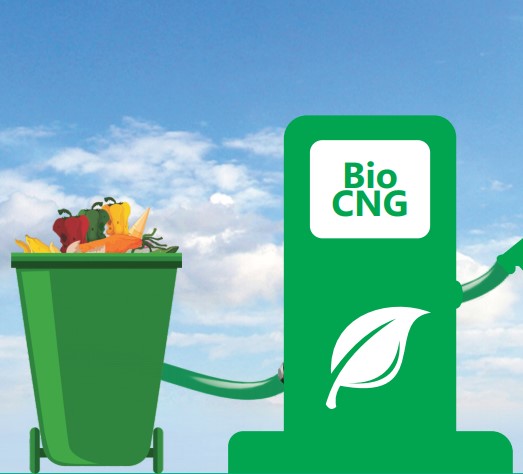
Bio-CNG is a renewable and clean fuel derived from the natural decomposition of organic waste. These small-scale plants leverage anaerobic digestion, a natural process where microorganisms break down organic matter in the absence of oxygen. This process not only transforms waste into a valuable resource but also produces biogas, which is then upgraded to Bio-CNG.
Key Components of Small-Scale Bio-CNG Plants:
1. Feedstock Collection:
– Small-scale Bio-CNG plants thrive on diverse organic feedstocks. This includes agricultural residues, organic waste from households, and other biodegradable materials. The decentralized nature of these plants allows for localized waste collection, minimizing transportation-related emissions.
2. Anaerobic Digestion:
– In the heart of the Bio-CNG plant lies the anaerobic digester. This sealed container provides an oxygen-free environment where microorganisms digest organic materials, releasing biogas as a byproduct.
3. Gas monitoring:
Biogas analyzers, such as the GASCHEK1000 portable biogas analyzer, use advanced photoelectric sensing principles to detect and analyze methane (CH4), oxygen (O2), carbon dioxide (CO2), hydrogen sulfide (H2S) and other gases, and accurately report , while effectively checking the digestive process.

4. Gas Upgrading:
– Biogas produced in the anaerobic digestion process is then upgraded to Bio-CNG. This purification process removes impurities, particularly carbon dioxide, ensuring that the resulting Bio-CNG meets quality standards for use as a clean and efficient fuel.
5. Storage and Distribution:
– The produced Bio-CNG is stored in tanks and can be distributed for various applications. This decentralized model allows for localized energy production, reducing the need for extensive infrastructure and long-distance transportation.
6. Utilization in Transportation:
– One of the primary applications of small-scale Bio-CNG plants is in the transportation sector. Bio-CNG can be used as a fuel for compressed natural gas (CNG) vehicles, providing an eco-friendly alternative to traditional fossil fuels.
Benefits of Small-Scale Bio-CNG Plants:
1. Reduced Carbon Footprint:
– By harnessing organic waste for energy production, small-scale Bio-CNG plants contribute to the reduction of methane emissions from landfills. This, in turn, helps mitigate the greenhouse effect and reduces the overall carbon footprint.
2. Localized Energy Production:
– The decentralized nature of small-scale Bio-CNG plants enables localized energy production. This not only reduces energy transportation costs but also empowers communities to be more self-sufficient in their energy needs.
3. Waste Management Solutions:
– These plants provide an effective solution for managing organic waste. By converting waste into valuable energy, Bio-CNG plants address the dual challenges of waste management and energy generation.
4. Economic Viability:
– Small-scale Bio-CNG plants can be economically viable, especially in areas with abundant organic waste resources. The utilization of locally available feedstocks and the potential for revenue generation through the sale of Bio-CNG contribute to their economic feasibility.
Challenges and Future Outlook:
While the concept of small-scale Bio-CNG plants holds immense promise, there are challenges to overcome. These include initial setup costs, public awareness, and policy support. Continued advancements in technology, coupled with supportive policies, will be crucial in ensuring the widespread adoption of these sustainable energy solutions.
Conclusion: A Greener Tomorrow, Today:
Small-scale Bio-CNG plants exemplify the potential of green energy solutions at the community level. As we strive for sustainable living, embracing technologies that harness the power of organic waste not only reduces our environmental impact but also sets the stage for a greener and more sustainable tomorrow.
 Manufacturer of biogas analyzer, landfill gas analyzer and extraction monitor, anaerobic digester gas analyzer