

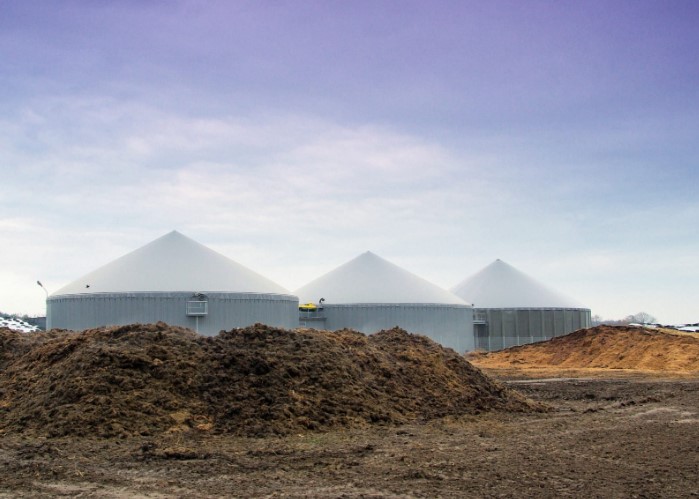
In the quest for sustainable and eco-friendly solutions, the wonders of a biogas plant stand out as a testament to the transformative power of turning waste into wealth. Biogas, a renewable energy source produced through the anaerobic digestion of organic matter, not only addresses waste management challenges but also provides a clean and versatile energy alternative. This article explores the remarkable benefits and wonders of a biogas plant.
1. Efficient Waste Management:
– At the core of a biogas plant is the ability to efficiently manage organic waste. Agricultural residues, food scraps, animal manure, and sewage sludge, which might otherwise contribute to environmental pollution, find a purposeful use in the generation of biogas.
2. Renewable Energy Generation:
– The anaerobic digestion process within a biogas plant produces biogas, a mixture of methane and carbon dioxide. This biogas, when captured and harnessed, serves as a renewable and clean-burning fuel.
3. Clean Cooking and Heating:
– One of the primary applications of biogas is in cooking and heating. In households and industries, biogas replaces traditional fuels like wood or charcoal, contributing to indoor air quality and reducing reliance on non-renewable energy sources.
4. Electricity Generation:
– Through the combustion of biogas, electricity can be generated to power homes, businesses, and even entire communities. Biogas-powered generators offer a decentralized energy solution, particularly in areas with limited access to the grid.
5. Reduced Greenhouse Gas Emissions:
– By capturing methane, a potent greenhouse gas produced during the natural decomposition of organic matter, biogas plants contribute significantly to reducing overall greenhouse gas emissions. This aligns with global efforts to combat climate change.
6. Nutrient-Rich Fertilizer Production:
– The byproduct of the anaerobic digestion process, known as digestate, is a nutrient-rich fertilizer. When applied to agricultural fields, digestate enhances soil fertility, promoting sustainable and eco-friendly farming practices.
7. Decentralized Energy Solutions:
– Biogas plants can be established at various scales, from small-scale community digesters to larger industrial facilities. This decentralization enhances energy access in remote or off-grid areas, fostering local empowerment and development.
8. Waste-to-Energy Innovation:
– The wonders of a biogas plant lie not only in waste management but also in its role as an innovative waste-to-energy solution. It exemplifies a circular economy where waste becomes a valuable resource.
9. Job Creation and Economic Benefits:
– The establishment and operation of biogas plants create job opportunities in areas such as plant management, maintenance, and waste collection. This, in turn, contributes to local economic development.
10. Community and Educational Impact:
– Biogas plants often become focal points for community engagement and education. They provide opportunities for learning about sustainable waste management practices, renewable energy, and environmental stewardship.
Challenges and Considerations:
– While the wonders of a biogas plant are substantial, challenges include the need for initial investment, technological expertise, and community acceptance. Ensuring proper infrastructure, regulatory compliance, and ongoing maintenance are vital aspects of successful biogas initiatives.
Conclusion:
The wonders of a biogas plant go beyond its role as an energy generator; it encapsulates a holistic approach to sustainable living. By transforming waste into wealth, biogas plants showcase the immense potential of circular economies, where resources are conserved, and environmental impacts are minimized. As the world increasingly seeks resilient and eco-friendly solutions, the wonders of a biogas plant illuminate a path towards a greener and more sustainable future.
 Manufacturer of biogas analyzer, landfill gas analyzer and extraction monitor, anaerobic digester gas analyzer