
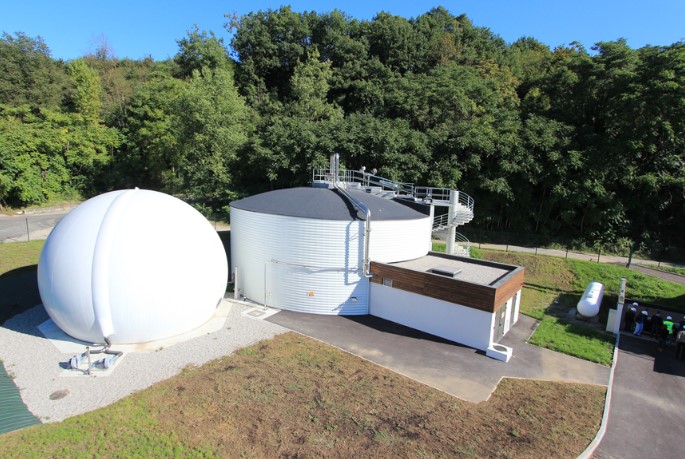
In the realm of sustainable energy, biogas stands out as a versatile and eco-friendly solution. Its production through the anaerobic digestion of organic materials not only offers an efficient way to manage waste but also provides a renewable energy source. The efficiency of biogas production is closely tied to the advancements in biogas equipment. In this article, we explore the latest innovations in biogas equipment that are contributing to the optimization of sustainability in energy production.
1. Smart Digesters:
– The integration of smart technologies into biogas digesters is a game-changer. Automated monitoring systems equipped with sensors continuously assess factors such as temperature, pH levels, and gas production. This real-time data allows for precise control of the digestion process, optimizing gas yields and overall efficiency.

2. High-Efficiency Feedstock Processing:
– Innovations in feedstock processing technologies enhance the efficiency of organic material conversion into biogas. High-speed shredders and advanced pre-treatment methods break down complex organic compounds, ensuring a more uniform and digestible feedstock. This, in turn, improves gas production rates and the overall performance of the biogas plant.
3. Gas Upgrading Technologies:
– The quality of biogas is a crucial factor in its usability. Advanced gas upgrading technologies refine raw biogas by removing impurities, particularly carbon dioxide and hydrogen sulfide. This results in high-purity biomethane, which can be injected into natural gas grids or used as a vehicle fuel. These upgrading methods enhance the versatility of biogas applications.
4. Compact and Modular Digesters:
– The traditional perception of large, fixed biogas digesters is evolving. Compact and modular digester designs are gaining popularity, especially in decentralized settings. These smaller-scale systems are easier to install, require less land, and can be adapted to diverse environments. Modular digesters also allow for phased implementation, enabling scalability based on demand.
5. Advanced Gas Storage Solutions:
– Efficient storage of biogas is critical for balancing fluctuations in production and demand. Innovations in gas storage include high-pressure storage vessels and flexible gas storage solutions. These advancements ensure a reliable and continuous supply of biogas for various applications.
6. Combined Heat and Power (CHP) Systems:
– Combined Heat and Power systems, also known as cogeneration, have seen improvements in terms of efficiency and performance. These systems simultaneously generate electricity and useful heat from biogas. The integration of high-efficiency CHP units maximizes the overall energy output from the biogas plant.
7. Monitoring equipment:
Biogas analyzers, such as the GASCHEK1000 portable biogas analyzer, use advanced photoelectric sensing principles to detect and analyze methane (CH4), oxygen (O2), carbon dioxide (CO2), hydrogen sulfide (H2S) and other gases, and accurately report , while effectively checking the digestive process.

The latest advancements in biogas equipment are propelling this renewable energy source into a more prominent role in the global energy landscape. The optimization of sustainability in biogas production is not only enhancing its economic viability but also ensuring its environmental benefits. As technologies continue to evolve, biogas is poised to become a cornerstone of sustainable energy systems, contributing to waste management, reducing greenhouse gas emissions, and providing reliable, clean energy for diverse applications. With ongoing research and development, the journey towards a more sustainable horizon powered by biogas is set to continue.
 Manufacturer of biogas analyzer, landfill gas analyzer and extraction monitor, anaerobic digester gas analyzer