

In the pursuit of sustainable energy solutions, biogas has emerged as a powerful player. Harnessing the natural decomposition of organic matter, biogas offers a renewable and clean source of energy. One innovative aspect of biogas utilization is the use of biogas cylinders. This article explores the power of biogas cylinders in harvesting energy sustainably and their potential role in driving a greener future.
1. What are Biogas Cylinders?
– Biogas cylinders are specially designed containers that store biogas under pressure. These cylinders play a crucial role in making biogas a portable and convenient source of energy.
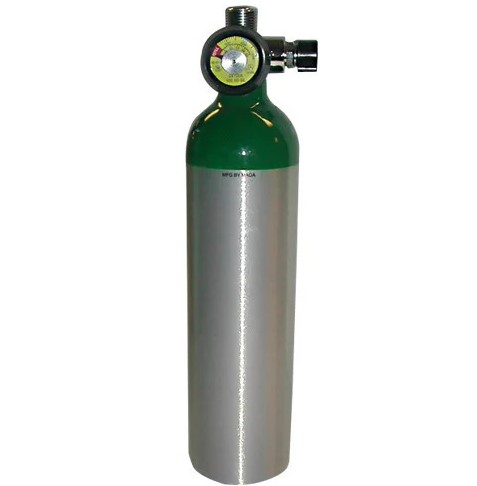
2. The Composition of Biogas:
– Biogas, typically composed of methane (CH4) and carbon dioxide (CO2), is produced through the anaerobic digestion of organic materials such as agricultural residues, food waste, or animal manure.
3. Harvesting Energy from Organic Waste:
– Biogas is a product of harnessing the natural breakdown of organic matter. This process not only generates energy but also addresses waste management concerns, offering a dual solution to environmental challenges.
4. The Role of Biogas Cylinders:
– Biogas, when stored in cylinders, becomes a versatile energy source that can be used for various applications. These cylinders enable the convenient use of biogas for cooking, heating, lighting, and even powering vehicles.
5. Benefits of Biogas Cylinders:
- – Clean and Renewable: Biogas is a clean-burning fuel that, when stored in cylinders, provides a sustainable alternative to conventional fossil fuels.
- – Reduced Greenhouse Gas Emissions: By capturing methane emissions from organic waste, biogas systems with cylinders contribute to mitigating climate change.
- – Portable Energy: Biogas cylinders make it easy to transport and use biogas in locations that might not have access to traditional energy sources.
- – Off-Grid Solutions: Biogas cylinders are particularly valuable in off-grid areas, providing a decentralized energy solution for communities without access to a centralized power grid.
6. Applications of Biogas Cylinders:
- – Cooking: Biogas cylinders are commonly used for cooking, providing a cleaner and more sustainable alternative to traditional fuels like wood or charcoal.
- – Heating: In residential and industrial settings, biogas can be used for space heating, contributing to a reduction in the use of fossil fuels.
- – Lighting: Biogas-powered lamps can provide illumination, especially in areas with limited access to electricity.
- – Vehicle Fuel: Compressed biogas (CBG) from cylinders can be used as a green fuel for vehicles, contributing to a cleaner transportation sector.

7. Community Impact:
- – Energy Access: Biogas cylinders enhance energy access in remote or underserved communities, fostering economic development and improving living standards.
- – Job Creation: The implementation and maintenance of biogas systems, including cylinders, create employment opportunities in local communities.
8. Challenges and Considerations:
- – Infrastructure Development: The widespread use of biogas cylinders requires adequate infrastructure for production, distribution, and refilling.
- – Awareness and Adoption: Community awareness and acceptance play a crucial role in the successful adoption of biogas systems and cylinders.
9. Future Prospects:
- – Technological Advances: Ongoing technological advancements in biogas storage and distribution are expected to enhance the efficiency and affordability of biogas cylinders.
- – Policy Support: Government policies that incentivize the use of biogas and support the development of associated infrastructure can further propel the adoption of biogas cylinders.
Conclusion:
Biogas cylinders represent a significant step in the journey towards sustainable and decentralized energy solutions. By efficiently storing biogas, these cylinders unlock the potential of renewable energy derived from organic waste. As technology advances and awareness grows, the power of biogas cylinders stands as a testament to the transformative impact of harnessing energy sustainably. Whether in the kitchen, on the road, or in illuminating homes, biogas cylinders are illuminating a path towards a greener and more sustainable energy future.
 Manufacturer of biogas analyzer, landfill gas analyzer and extraction monitor, anaerobic digester gas analyzer