
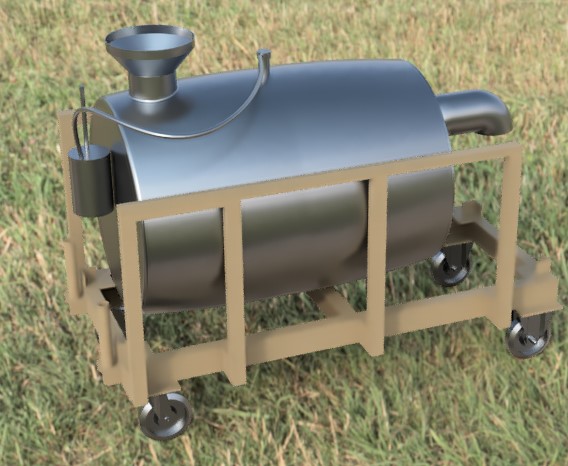
As the world shifts towards sustainable living, individuals are increasingly seeking ways to reduce their carbon footprint and contribute to a greener future. One innovative and hands-on approach to sustainability is building a small-scale biogas plant at home. In this guide, we’ll explore the steps involved in creating your DIY biogas system and how it can turn organic waste into a valuable source of clean energy.
Understanding Biogas Production:
Biogas is a mixture of gases, primarily methane (CH4) and carbon dioxide (CO2), produced through the anaerobic digestion of organic materials. This natural process occurs in the absence of oxygen, where microorganisms break down organic matter, such as kitchen waste or manure, releasing gases in the process.
Materials You’ll Need:
- 1. A Digester Container: This can be a sturdy plastic or metal container, such as a drum or tank, with a tight-fitting lid to create an anaerobic environment.
- 2. Inlet and Outlet Pipes: To introduce organic waste into the digester and to collect the produced biogas.
- 3. Gas Storage: A container to collect and store the biogas produced.
- 4. Pressure Release Valve: To release excess pressure from the digester.
- 5. Connecting Pipes: To link the different components of your biogas system.
- 6. Organic Waste: Kitchen scraps, vegetable peels, and other organic waste will serve as the feedstock for biogas production.
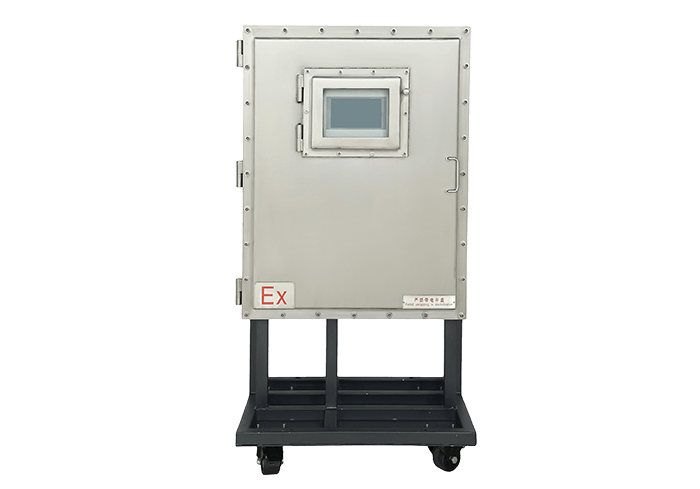
- 7. Monitoring equipment: Biogas analyzer, which uses advanced photoelectric sensing principles to detect methane (CH4), oxygen (O2), carbon dioxide (CO2), hydrogen sulfide (H2S), etc. For example, the OLGA2000 biogas online monitoring system can be widely used in gas monitoring in landfill biogas power plants, petrochemical industries, coal mines and other scenarios, and can achieve remote data transmission.
Step-by-Step Guide:
Note: Ensure safety precautions are taken during the construction and operation of your biogas plant.
1. Choose a Container:
– Select a container of appropriate size. For a small-scale system, a 55-gallon drum or a similar-sized container can work.
2. Create Inlet and Outlet:
– Cut holes for the inlet and outlet pipes. The inlet allows you to introduce organic waste, while the outlet collects the digested slurry.
3. Install Pipes:
– Connect pipes to the inlet and outlet holes. The inlet pipe should extend into the bottom of the digester, while the outlet pipe should be near the top.
4. Gas Collection Container:
– Attach a pipe to the top of the digester to collect the biogas. Connect this to a container for gas storage.
5. Pressure Release Valve:
– Install a pressure release valve on the top of the digester to release excess pressure and ensure safety.
6. Seal Tight:
– Ensure that all connections are airtight. Use a sealing material, such as rubber gaskets or silicone, to prevent gas leaks.
7. Fill with Organic Waste:
– Start filling the digester with organic waste. Ensure a balanced mix of carbon-rich (e.g., kitchen scraps) and nitrogen-rich (e.g., manure) materials.
8. Tight Lid:
– Seal the digester with a tight-fitting lid to create an anaerobic environment necessary for biogas production.
9. Wait for Digestion:
– Allow time for the microorganisms to digest the organic matter and produce biogas. This can take a few weeks.
10. Collect and Use Biogas:
– Once you start noticing biogas production, collect it through the gas outlet pipe. You can use this biogas for cooking, heating, or other applications.
Benefits of a DIY Biogas Plant:
1. Waste Reduction:
– Effectively manages kitchen waste, reducing the amount sent to landfills.
2. Renewable Energy Source:
– Provides a clean and renewable source of energy for household use.
3. Educational Experience:
– Offers a hands-on learning opportunity about the principles of anaerobic digestion and biogas production.
4. Cost-Effective:
– DIY biogas plants can be built with relatively low costs, using locally available materials.
Building a small-scale biogas plant at home is not only a practical way to contribute to sustainability but also a rewarding DIY project. It demonstrates how waste can be transformed into a valuable resource, highlighting the potential for decentralized and eco-friendly energy solutions.
 Manufacturer of biogas analyzer, landfill gas analyzer and extraction monitor, anaerobic digester gas analyzer