
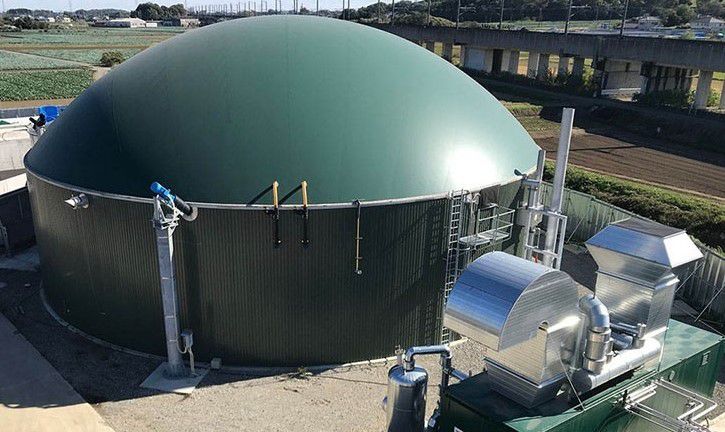
In the pursuit of sustainable energy solutions, biogas has emerged as a promising player, offering a clean and renewable alternative. However, the successful implementation and optimization of biogas systems rely heavily on expert engineering. This article explores the pivotal role of biogas expert engineering in navigating the complexities of sustainability, from system design to operation and beyond.
1. System Design and Optimization:
– Tailoring to Feedstock: Expert engineers analyze the composition of available feedstock, whether it’s agricultural residues, organic waste, or sewage sludge, to design a system that maximizes efficiency.
– Choosing the Right Digester: Different types of digesters, such as anaerobic lagoons, plug-flow digesters, or complete mix digesters, have varying advantages. Biogas engineers assess the characteristics of the feedstock and energy needs to choose the most suitable digester design.
2. Technological Innovation:
– Gas Upgrading Technologies: Biogas often requires purification to remove impurities like carbon dioxide and hydrogen sulfide. Biogas engineers stay abreast of the latest technologies, such as pressure swing adsorption (PSA) or water scrubbing, to optimize the upgrading process.
– Sensor Integration: Advanced sensors and monitoring systems are integrated into biogas plants to continuously assess variables like temperature, pH, and gas composition. This data informs real-time adjustments for optimal performance.
3. Safety Protocols and Compliance:
– Ensuring Operator Safety: Biogas plants can pose safety risks, especially concerning the handling of methane. Expert engineers implement safety protocols, including gas leak detection systems and ventilation, to protect plant operators and nearby communities.
– Compliance with Regulations: Navigating the complex landscape of environmental and safety regulations is a key responsibility of biogas expert engineers. They ensure that the plant adheres to local, national, and international standards.
4. Efficiency Enhancement:
– Combined Heat and Power (CHP) Systems: Biogas can be harnessed for both electricity and heat. Expert engineers optimize CHP systems to maximize energy extraction and enhance overall system efficiency.
– Digestate Management: The nutrient-rich byproduct of biogas production, known as digestate, requires efficient management. Biogas engineers design systems for its effective use as fertilizer, completing the sustainability loop.
5. Scalability and Integration:
– Scaling Up or Down: Biogas plants need to be scalable to accommodate changing feedstock availability or increased energy demand. Biogas engineers design systems that can be easily scaled up or down to ensure flexibility.
– Integration with Other Systems: Synergies with other sustainable practices, such as wastewater treatment or organic farming, are explored. Biogas engineers assess opportunities for integration to enhance overall environmental benefits.
6. Continuous Monitoring and Maintenance:
– Remote Monitoring: With the advent of IoT (Internet of Things) technologies, biogas plants can be remotely monitored. Expert engineers set up systems for continuous surveillance, enabling quick response to any issues.
– Predictive Maintenance: Through data analytics, biogas engineers predict potential equipment failures, allowing for proactive maintenance. This predictive approach minimizes downtime and extends the lifespan of components.
7. Community Engagement and Education:
– Community Outreach: Biogas engineers play a crucial role in engaging with local communities. They communicate the benefits of biogas systems, address concerns, and ensure that the plant aligns with the community’s needs.
– Training Programs: Training local operators and community members on the operation and maintenance of biogas systems is integral. Biogas engineers design and implement training programs to empower communities.
Biogas expert engineering is the compass that guides the journey towards sustainable energy. From the initial design phase to continuous operation and community engagement, these experts ensure that biogas systems not only produce clean energy but also harmonize with the environment and communities. As the world increasingly turns to renewable resources, the role of biogas expert engineering becomes paramount in navigating the complex terrain of sustainability.
 Manufacturer of biogas analyzer, landfill gas analyzer and extraction monitor, anaerobic digester gas analyzer