
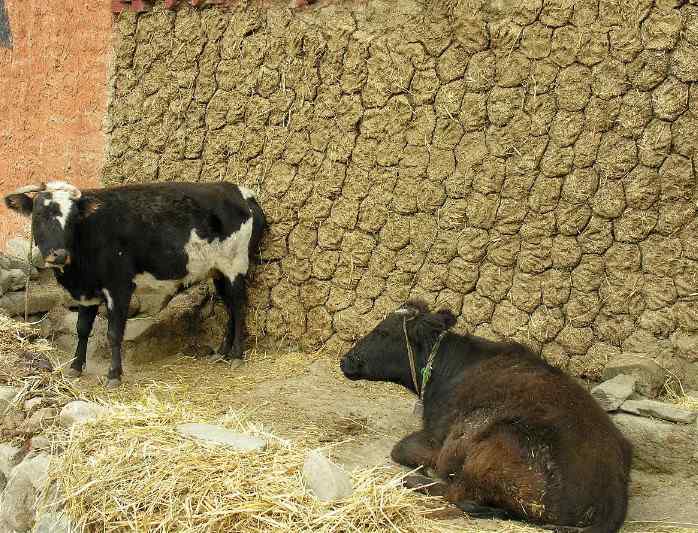
In the quest for sustainable and eco-friendly energy sources, cow dung gas plants have emerged as a unique and transformative solution. Harnessing the power of nature’s gift—cow dung—these plants not only address waste management issues but also provide a clean and renewable source of energy. This article explores the sustainable magic of cow dung gas plants and their potential to power a greener tomorrow.
1. The Science of Biogas Production:
– Anaerobic Digestion: Cow dung, rich in organic matter, undergoes anaerobic digestion in a controlled environment. This natural process produces biogas, a mixture of methane and carbon dioxide.
2. Waste to Wealth:
– Efficient Waste Management: Cow dung gas plants efficiently manage animal waste, preventing the release of methane (a potent greenhouse gas) into the atmosphere. This dual-purpose system transforms waste into a valuable resource.
3. Clean Energy Generation:
– Biogas as a Clean Fuel: The biogas produced is a clean-burning fuel that can be used for cooking, heating, and even electricity generation. It serves as a sustainable alternative to traditional fossil fuels.

4. Rural Empowerment:
– Community-Based Energy Solutions: Cow dung gas plants are particularly beneficial in rural areas, offering decentralized energy solutions that empower local communities. This decentralized approach reduces dependence on centralized energy grids.
5. Economic Viability:
– Job Creation: The establishment and maintenance of cow dung gas plants create job opportunities in both plant operation and maintenance, contributing to local economic development.
6. Agricultural Benefits:
– Nutrient-Rich Slurry: The byproduct of biogas production, known as digestate or slurry, is a nutrient-rich fertilizer. Its application enhances soil fertility, promoting sustainable agriculture.
7. Mitigating Climate Change:
– Reduced Methane Emissions: By capturing methane produced during the natural decomposition of cow dung, these plants contribute to the reduction of greenhouse gas emissions, thus mitigating climate change.
8. Adaptability and Scalability:
– Suitable for Various Scales: Cow dung gas plants can be implemented at various scales, from individual farms to community-based systems, making them adaptable to different contexts and needs.
9. Educational Value:
– Promoting Sustainable Practices: The implementation of cow dung gas plants serves as an educational tool, raising awareness about sustainable waste management and the potential of renewable energy.
10. Government Support and Policies:
– Incentives for Implementation: Government support and favorable policies can incentivize the establishment of cow dung gas plants, encouraging their widespread adoption.
Cow dung gas plants exemplify the harmonious synergy between agriculture, waste management, and renewable energy. As we look towards a future that prioritizes sustainability, these plants stand out as a testament to the ingenious ways in which nature’s resources can be harnessed for the betterment of communities and the planet. Powering tomorrow with the sustainable magic of cow dung gas plants is not just an energy solution; it’s a transformative journey towards a greener and more balanced coexistence with our environment.
 Manufacturer of biogas analyzer, landfill gas analyzer and extraction monitor, anaerobic digester gas analyzer