

In a world increasingly focused on sustainable living, the notion of generating energy from kitchen scraps may seem revolutionary. However, with the art of homemade biogas, this sustainable vision can become a reality. This article explores the process of transforming kitchen scraps into gas through a homemade biogas system, a practice that not only contributes to waste reduction but also provides a renewable and eco-friendly source of energy.
Understanding Homemade Biogas:
Homemade biogas involves the creation of biogas in a small-scale anaerobic digester, often set up in households. The feedstock for this process primarily consists of kitchen scraps, including fruit and vegetable peels, leftovers, and other organic waste generated in daily life.
The Homemade Biogas Process:
- 1. Collecting Kitchen Scraps:
– Gather organic waste generated in your kitchen, avoiding items like meat and dairy that can complicate the digestion process.
- 2. Creating the Digester:
– Design a small-scale anaerobic digester. This can range from a sealed container to a more elaborate setup, depending on your preferences and available resources.
- 3. Mixing the Scraps:
– Create a slurry by blending the kitchen scraps with water. This slurry serves as the feedstock for the anaerobic digestion process.
- 4. Anaerobic Digestion:
– Introduce the slurry into the digester, ensuring an oxygen-free environment. The anaerobic digestion process begins, facilitated by naturally occurring microorganisms.
- 5. Gas Collection:
– As the anaerobic digestion progresses, biogas, primarily composed of methane, is produced and collected in the digester.
- 6. Storage and Utilization:
– Store the collected biogas and utilize it for various purposes such as cooking, heating, or even generating electricity.
Benefits of Homemade Biogas:
- 1. Waste Reduction:
– Homemade biogas systems effectively manage kitchen scraps, reducing the amount of organic waste destined for landfills.
- 2. Renewable Energy Source:
– The biogas produced is a renewable energy source, offering a sustainable alternative to traditional fuels.
- 3. Cost-Effective:
– Homemade biogas systems can be cost-effective, especially when using simple designs and readily available materials.
Considerations for Homemade Biogas:
- 1. System Design:
– Choose a system design that suits your space, resources, and energy needs. Simpler designs are often more manageable for beginners.
- 2. Balancing Feedstock:
– Achieve a balance in the types of kitchen scraps used to ensure optimal digestion. A mix of carbon-rich and nitrogen-rich materials is ideal.
- 3. Safety Measures:
– Implement safety measures to prevent gas leaks and ensure the proper functioning of your homemade biogas system.
- 4. Continuous Monitoring:
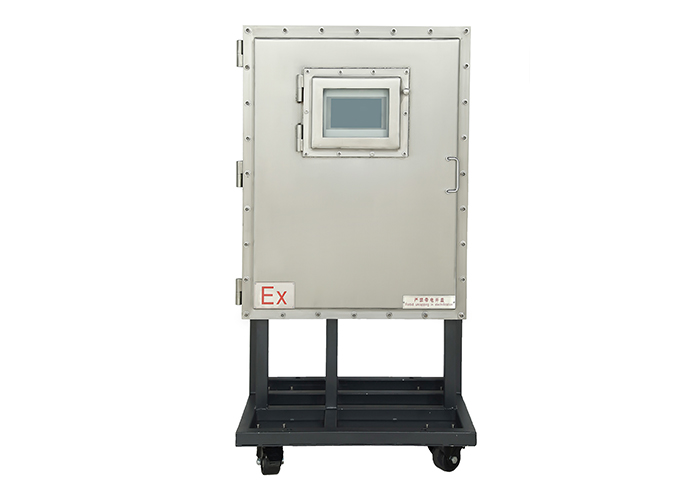
– Regularly monitor the system to check for gas production, potential issues, and the need for maintenance. During the biogas production process, the required equipment is a biogas analyzer, which uses advanced photoelectric sensing principles to detect methane (CH4), oxygen (O2), carbon dioxide (CO2), hydrogen sulfide (H2S), etc. For example, the OLGA2000 biogas online monitoring system can be widely used in gas monitoring in landfill biogas power plants, petrochemicals, coal mines and other scenarios, and can achieve remote data transmission.
The art of homemade biogas transforms kitchen scraps from mere waste into a valuable resource, contributing to waste reduction and sustainable energy generation. This eco-friendly practice empowers individuals to actively participate in the global shift towards greener living. Beyond its practical benefits, the process serves as a reminder that sustainable solutions can often be found in the everyday waste generated within our own homes.
 Manufacturer of biogas analyzer, landfill gas analyzer and extraction monitor, anaerobic digester gas analyzer