

In the pursuit of sustainable and environmentally friendly energy solutions, biogas projects have emerged as a promising avenue. Harnessing the power of organic waste, these projects produce biogas through anaerobic digestion, offering a clean and renewable energy source. If you’re considering embarking on your biogas project, this comprehensive guide will walk you through the essential steps and considerations to turn your green vision into reality.
1. Understanding the Basics:
- What is Biogas?
Biogas is a mixture of gases, primarily methane and carbon dioxide, produced through the anaerobic digestion of organic materials.
- How Does Anaerobic Digestion Work?
Anaerobic digestion is a natural process where microorganisms break down organic matter in the absence of oxygen, producing biogas.
2. Assessing Feasibility:
- Feedstock Availability:
Identify and assess the availability of suitable feedstock in your area. Common feedstocks include agricultural residues, food waste, and animal manure.
- Energy Needs:
Determine your energy needs and how much biogas your project should ideally produce to meet those requirements.
3. Designing Your Biogas System:
- Digester Selection:
Choose a digester type based on factors like feedstock type, project scale, and available space. Options include fixed-dome digesters, plug-flow digesters, and more.
- Gas Utilization:
Decide on the applications for your biogas, whether it’s for cooking, heating, electricity generation, or a combination of these.
4. Planning and Permitting:
- Local Regulations:
Research and understand the local regulations and permitting requirements for biogas projects in your area.
- Site Selection:
Choose an appropriate site that aligns with zoning regulations, accessibility, and environmental considerations.
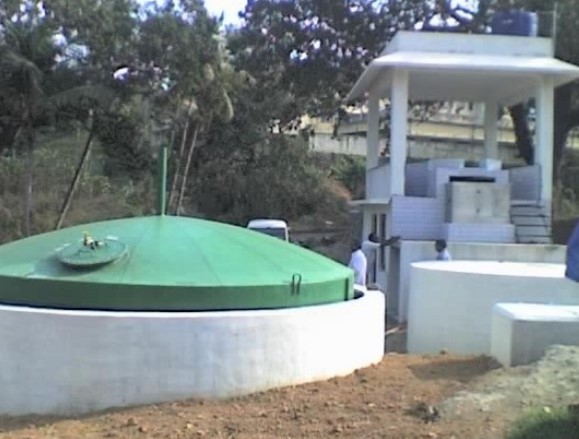
5. Construction and Installation:
- Digester Construction:
Follow the design specifications to construct the digester. This may involve excavation, setting up gas storage, and installing the gas utilization system.
- Safety Measures:
Implement safety measures during construction to prevent accidents and ensure the longevity of your biogas system.
6. Start-Up and Operation:
- Initial Loading:
Introduce the initial feedstock into the digester and start the anaerobic digestion process.
- Monitoring:
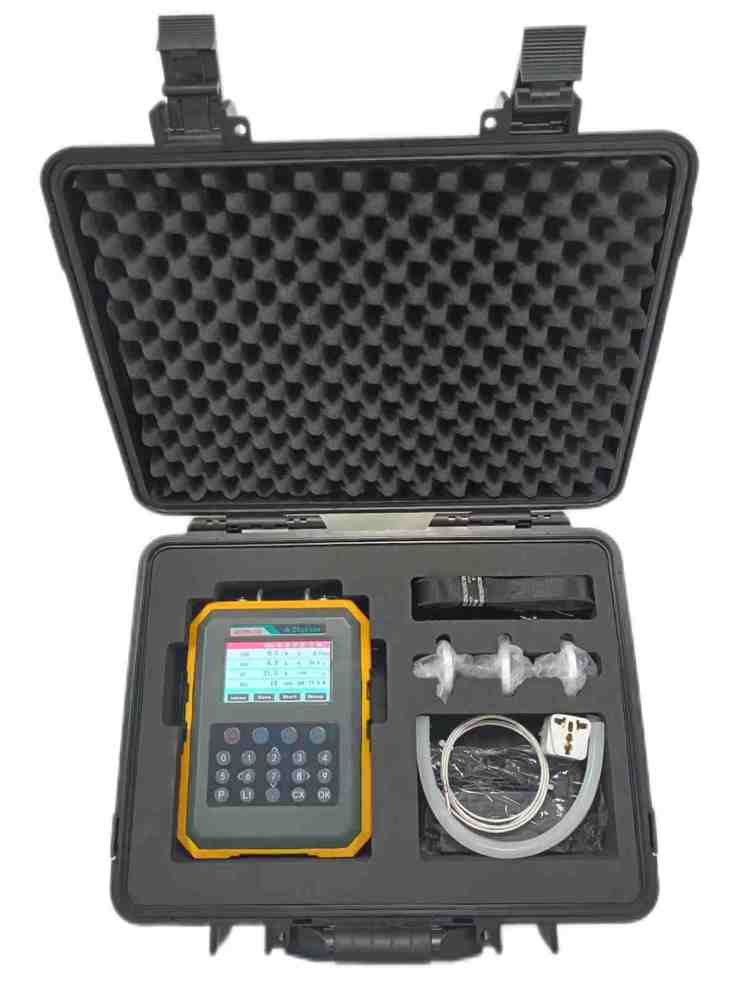
Regularly monitor gas production, digester temperature, and any potential issues that may arise during operation. such as the GASCHEK1000 portable biogas analyzer, use advanced photoelectric sensing principles to detect and analyze methane (CH4), oxygen (O2), carbon dioxide (CO2), hydrogen sulfide (H2S) and other gases, and accurately report , while effectively checking the digestive process.
7. Maintenance and Troubleshooting:
- Regular Checks:
Establish a routine maintenance schedule, including checks on gas pipes, the digester structure, and safety features.
- Troubleshooting:
Be prepared to troubleshoot common issues such as gas leaks, feedstock imbalances, or fluctuations in temperature.
8. Community Engagement:
- Education and Outreach:
Engage with the community to raise awareness about the benefits of biogas and encourage sustainable practices.
- Job Creation:
Highlight the potential for job creation and community development through biogas projects.
9. Scaling Up:
- Expansion:
Consider the potential for scaling up your biogas project based on increased feedstock availability or growing energy demands.
- Integration with Other Systems:
Explore opportunities to integrate your biogas project with other sustainable initiatives, such as organic farming or wastewater treatment.
10. Monitoring and Evaluation:
- Performance Metrics:
Establish key performance indicators (KPIs) to assess the success and efficiency of your biogas project over time.
- Adaptation:
Be open to adapting your project based on lessons learned and advancements in biogas technology.
Embarking on a biogas project is a commendable step towards a greener future. By following this comprehensive guide, you can navigate the complexities of planning, implementing, and maintaining your biogas system, contributing not only to your energy needs but also to a more sustainable and eco-conscious tomorrow.
 Manufacturer of biogas analyzer, landfill gas analyzer and extraction monitor, anaerobic digester gas analyzer