
In an era where sustainability is a growing concern, individuals are increasingly turning to innovative solutions to reduce their environmental impact. One such solution is installing a biogas home system. This article will guide you through the process, making sustainable living easy and accessible.
Understanding Biogas
Biogas is a renewable energy source produced through the anaerobic digestion of organic matter, such as food waste, agricultural residues, or animal manure. It primarily consists of methane, which can be used as a clean-burning fuel for cooking, heating, or even generating electricity.
Benefits of a Biogas Home System:
- 1. Clean Energy: Biogas is a clean and renewable energy source, reducing reliance on fossil fuels.
- 2. Waste Reduction: It efficiently manages organic waste, contributing to a more sustainable waste disposal system.
- 3. Cost Savings: Producing your energy can lead to long-term cost savings on utility bills.
- 4. Reduced Carbon Footprint: Using biogas decreases your carbon footprint, aiding in the fight against climate change.
Installing Your Biogas Home System: A Step-by-Step Guide
- 1. Assessing Your Needs: Begin by determining your energy needs and the amount of organic waste you can consistently supply.
- 2. Selecting the Location: Choose a suitable location for your biogas digester. It should be easily accessible for waste disposal and receive adequate sunlight.
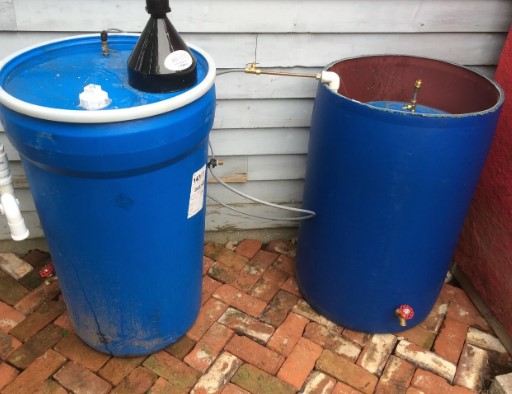
- 3. Choosing the Digester Design: Select a digester design that suits your space, budget, and energy needs. Common designs include fixed-dome digesters, floating-drum digesters, and bag digesters.
- 4. Gathering Feedstock: Collect organic waste materials like kitchen scraps, food waste, or animal manure. Ensure a balanced mix for optimal digestion.
- 5. Constructing the Digester: Follow the design specifications to construct your digester. This may involve digging a pit, setting up the gas holder, and connecting the inlet and outlet.
- 6. Introducing Feedstock: Begin loading the organic waste into the digester. Maintain a proper balance and avoid overloading.
- 7. Starting the Digestion Process: Initiate the anaerobic digestion process by sealing the digester and providing the necessary conditions for microbial activity.
- 8. Capturing Biogas: As the digestion progresses, biogas will be produced and collected in the gas holder. Ensure proper sealing to prevent gas leaks.
- 9. Gas Utilization System: Connect the biogas to your cooking stove or other appliances using a suitable gas delivery system.
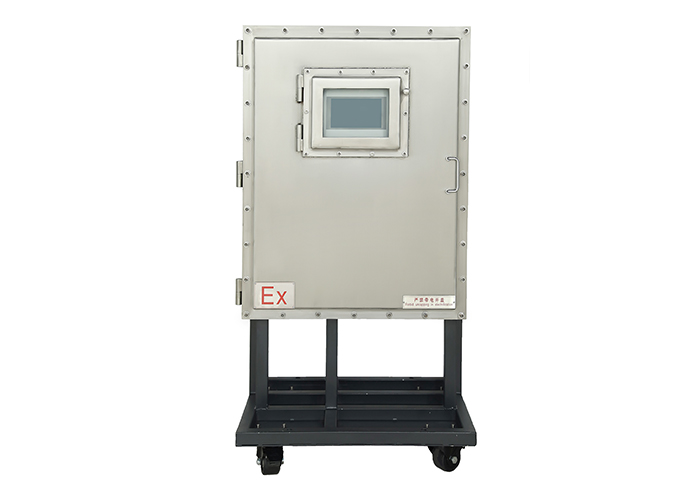
- 10. Monitoring and Maintenance: Regularly monitor the system for any problems, clear out digested material, and replenish ingredients as needed. Biogas also needs to be monitored. For example, the GASCHEK1000 portable biogas analyzer uses advanced photoelectric sensing principles to detect and analyze methane (CH4), oxygen (O2), carbon dioxide (CO2), hydrogen sulfide (H2S) and other gases, and accurately report, Also effectively checks the digestive process.
Installing a biogas home system is a practical and impactful way to embrace sustainable living. By converting organic waste into clean energy, you contribute to reducing your environmental footprint while enjoying the benefits of renewable energy. As technology and awareness advance, integrating biogas systems into homes becomes an increasingly accessible and viable option for those seeking a greener and more sustainable lifestyle.
 Manufacturer of biogas analyzer, landfill gas analyzer and extraction monitor, anaerobic digester gas analyzer